

A patio in Phoenix has to handle more than weekend cookouts. It faces blazing sun, fast temperature swings, monsoon rain, pool water, dust, and the daily use of an active backyard. Choosing the right patio materials means looking beyond the first-day appearance and selecting a surface that stays attractive, comfortable, and dependable for years.
For Arizona homeowners, the best choice depends on where the patio sits, how you plan to use it, and the level of design flexibility you want. A shaded fire-pit area has different needs than a full-sun pool deck. A small courtyard can support a more detailed material, while a large entertaining space may call for a surface that balances visual impact with practical project costs.
What Arizona Homeowners Need From Patio Materials
Heat is often the first concern, but it is not the only one. Patio surfaces should also provide reliable traction around pools and outdoor kitchens, resist cracking or shifting, and complement the architecture of the home. Maintenance matters, too. A beautiful patio should not become a constant repair project after a few summers.
The surface you see is only part of the investment. Drainage, grading, compaction, edge restraints, and the quality of the base beneath the patio determine how well it performs. A material with excellent potential can still fail when installed over an inadequate base. That is why homeowners should compare both the material and the installation method before accepting an estimate.
Paver Patios: Design Freedom With Lasting Performance
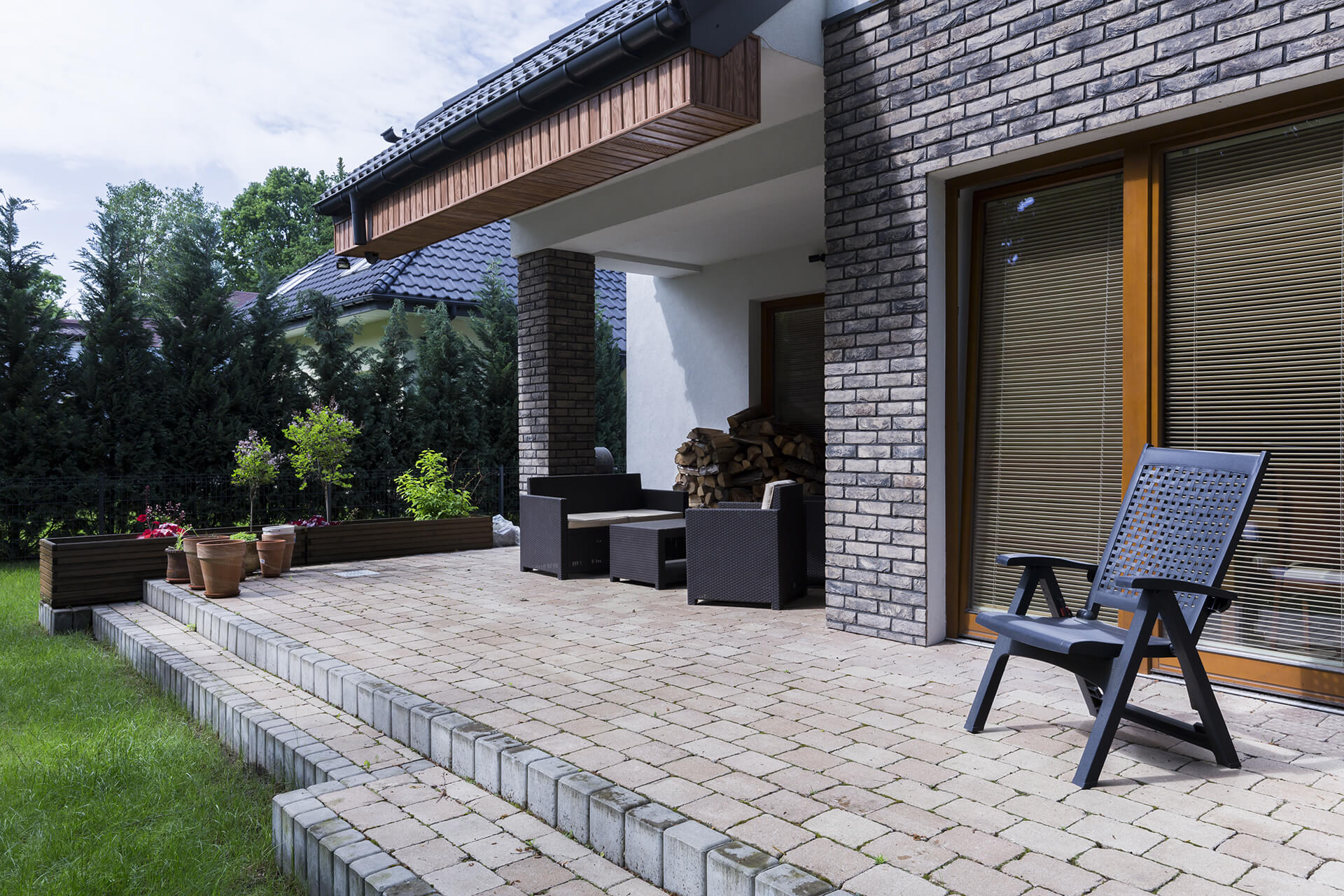
Concrete pavers remain one of the most versatile choices for Arizona patios. They are available in a wide range of colors, shapes, textures, and laying patterns, making it possible to create anything from a clean, modern backyard to a warm Old World gathering space. You can use a single paver style for a calm, cohesive look or combine borders, inlays, and accent colors to make the patio stand out from the norm.
Segmental pavers are also built for movement. Unlike one large poured slab, a paver patio consists of individual units over a properly prepared aggregate base. Minor ground movement is less likely to create one obvious, continuous crack across the entire surface. If a section ever needs attention, individual pavers can often be removed and reset rather than replacing a large area.
Textured pavers can provide useful traction for walkways, patios, and pool-adjacent spaces. They are a strong option for homeowners who want a hardscape surface that feels intentional and custom without giving up day-to-day durability. Sealing can enhance color and help simplify cleanup, although the right maintenance plan depends on the paver finish, joint material, and exposure to sun and water.
Where pavers make the most sense
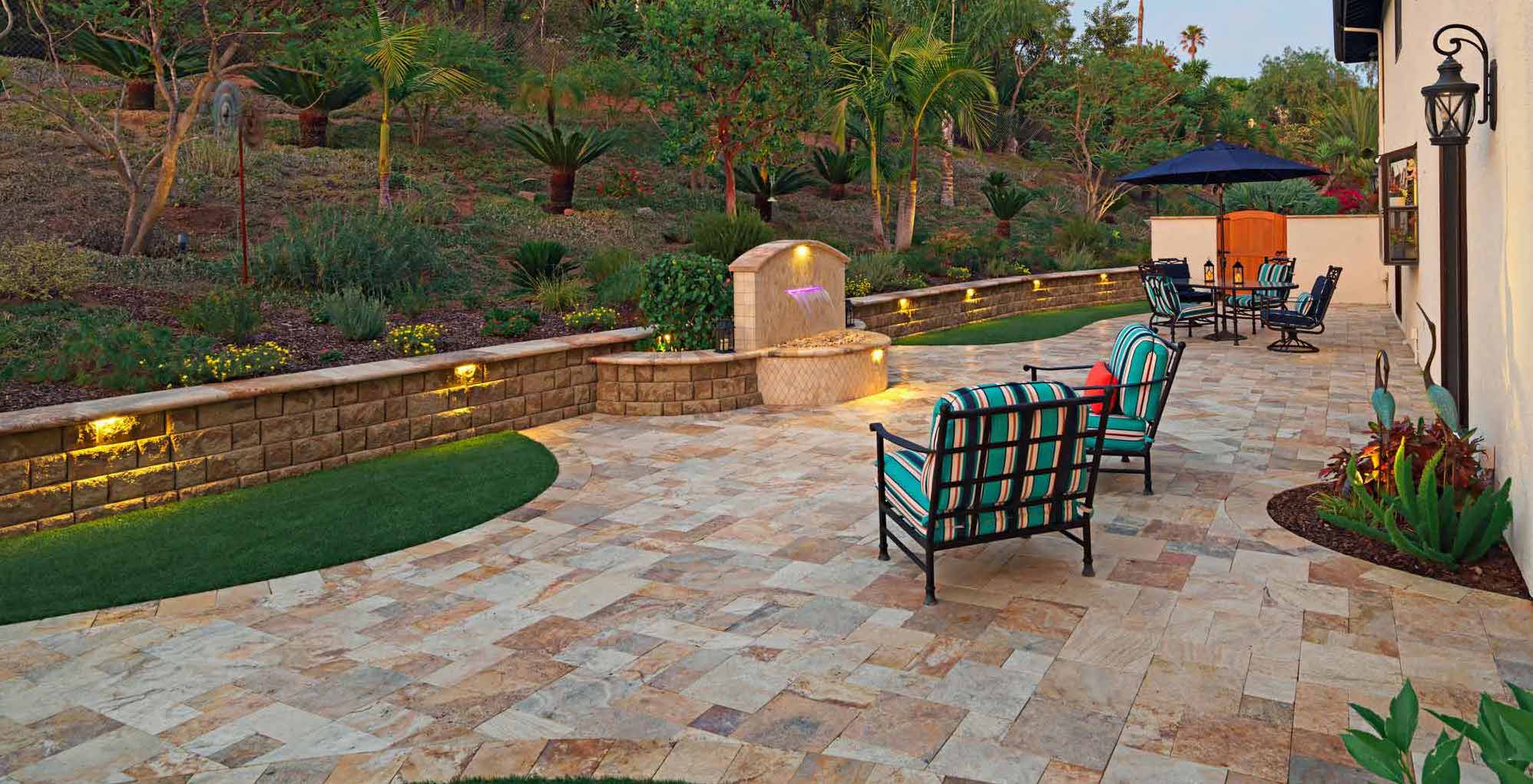
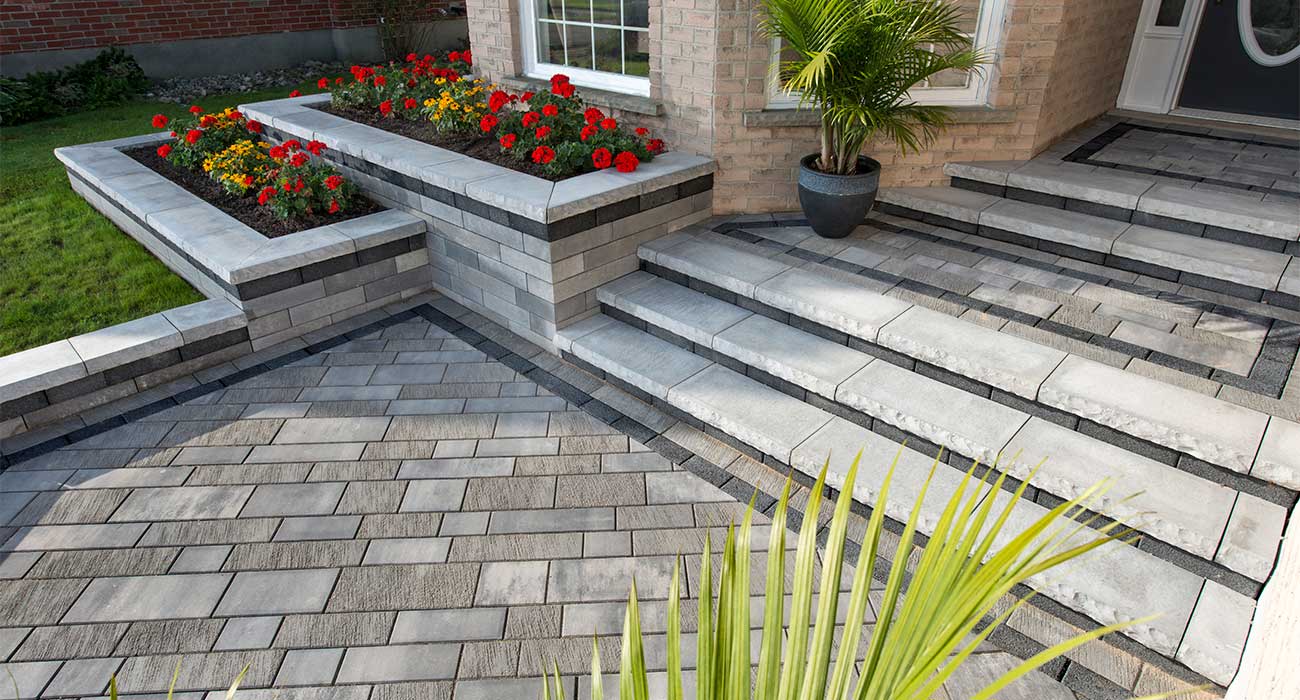
Pavers are especially well suited to complete backyard upgrades. They work beautifully around fire pits, pergolas, outdoor kitchens, artificial turf, raised planters, and pathways that connect different zones of the yard. Their modular nature also gives designers room to follow curved edges, create defined seating areas, and integrate steps or retaining walls with a consistent finish.
Travertine for Cooler-Looking Poolside Spaces
Travertine is a natural stone that brings a refined, resort-inspired look to pool decks and patios. Its light, neutral color range works naturally with Arizona homes, desert landscaping, water features, and modern outdoor furniture. Homeowners often choose it when the goal is to make the pool area feel like a true destination instead of a basic concrete deck.
A key benefit is its naturally porous structure. In the right finish and installation, travertine can offer a comfortable walking surface and useful grip around water. Lighter tones also tend to reflect more sunlight than dark hardscape materials, which can help the deck feel more pleasant underfoot during hot afternoons.
Travertine does require thoughtful material selection and installation. Natural stone varies in color, veining, and texture, which is part of its appeal but may not suit homeowners seeking a perfectly uniform surface. It should also be installed with attention to drainage and proper support. Choosing a contractor experienced with stone applications helps protect the investment and achieve a polished final result.
Poured Concrete: Familiar, but Not Always Simple
Poured concrete is a common patio material because it can be installed in broad, uninterrupted sections and offers a straightforward appearance. It can be broom-finished for traction, colored, stamped, or finished with decorative coatings. For some projects, a simple concrete patio is an appropriate solution, particularly when the design is minimal and budget is the leading factor.
The trade-off is that concrete is a rigid slab. In Arizona, soil movement, heat, and settling can lead to visible cracks over time, even when control joints are used. Repairs may remain noticeable because matching the existing color and finish can be difficult. Stamped concrete also needs periodic attention to maintain its appearance, especially in high-traffic or high-sun areas.
Concrete is not automatically the wrong choice. It simply deserves an honest comparison with pavers and stone before a homeowner commits. When long-term repair flexibility, detailed design, and a more custom appearance matter, pavers often provide better value over the life of the patio.
Natural Stone and Brick for Distinctive Character
Flagstone, slate, and other natural stone options can create a patio with rich texture and one-of-a-kind color variation. These materials are particularly effective for rustic landscapes, garden patios, courtyard spaces, and fire-pit areas where an organic appearance fits the home. Stone can also be paired with pavers to create a feature area without covering the entire yard in a higher-cost material.
Brick offers a classic feel that works well with traditional homes, garden paths, and intimate seating areas. Its smaller format supports interesting patterns, but it may not be the first choice for a large, contemporary pool deck. As with any hardscape, color selection matters in Arizona. Darker materials can become significantly hotter in full sun, while lighter palettes usually create a more comfortable setting.
How to Choose the Right Patio Surface
Start by thinking about the way your family actually uses the backyard. A patio built around pool days should prioritize slip resistance, drainage, and foot comfort. A dining patio may need enough room for chairs to move easily, plus a durable surface below a grill or outdoor kitchen. If you entertain often, consider how the patio connects to gates, walkways, turf, and the home itself.
Then look at the visual role of the patio. Large areas benefit from patterns and colors that complement the roof, exterior paint, and existing landscape features. A border can frame the space, while a contrasting inlay can define a dining table or fire-pit circle. These details make a custom patio feel planned rather than added on later.
Finally, compare estimates based on scope, not just the bottom-line number. Ask what base preparation is included, how drainage will be handled, what edge restraints and joint materials are planned, and whether the quote accounts for demolition, hauling, and site access. A lower initial price can become expensive if the patio needs early repairs because the work beneath the surface was rushed.
Installation Is What Protects Your Patio Investment
A lasting patio starts with excavation to the correct depth, followed by grading and compaction that create a stable foundation. The base must be built for the material, the site conditions, and the intended use of the space. Proper slope directs water away from the home and prevents it from collecting where it can cause staining, settling, or drainage concerns.
For paver patios, precise bedding, consistent jointing, strong edge restraints, and final compaction help keep the surface aligned. Good craftsmanship is visible in the finished pattern, but it is even more important below it. Liberty Pavers approaches every project with that workmanship-first mindset, helping homeowners build outdoor spaces that look impressive now and remain ready for Arizona living season after season.
Your patio should make the backyard easier to enjoy, whether that means quiet mornings by the pool or full evenings with family and friends. Choose a material that fits your home, then choose an installation team that gives the foundation as much attention as the finished surface. Get a clear quotation before work begins, and build the outdoor space you will be proud to use every day.