

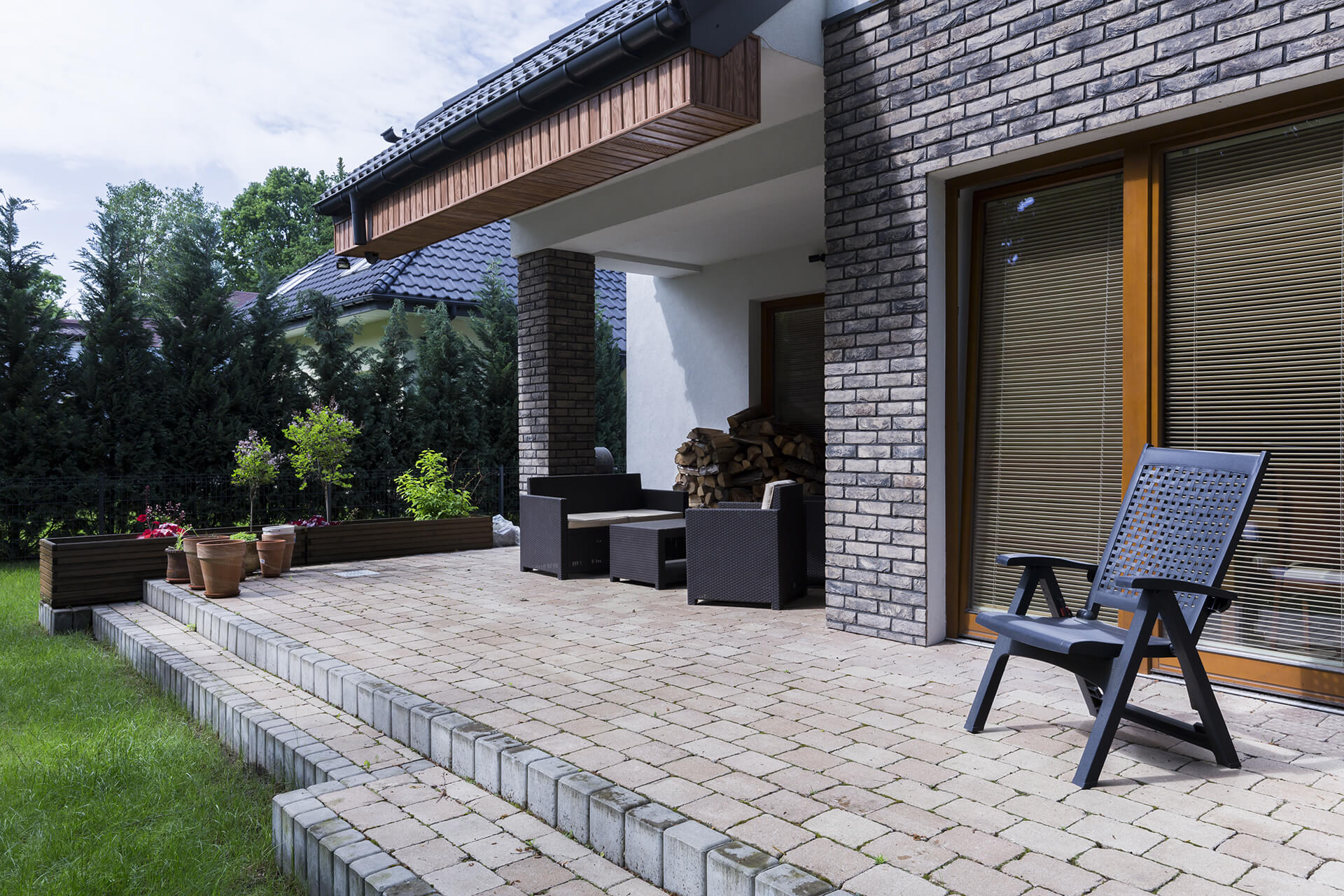
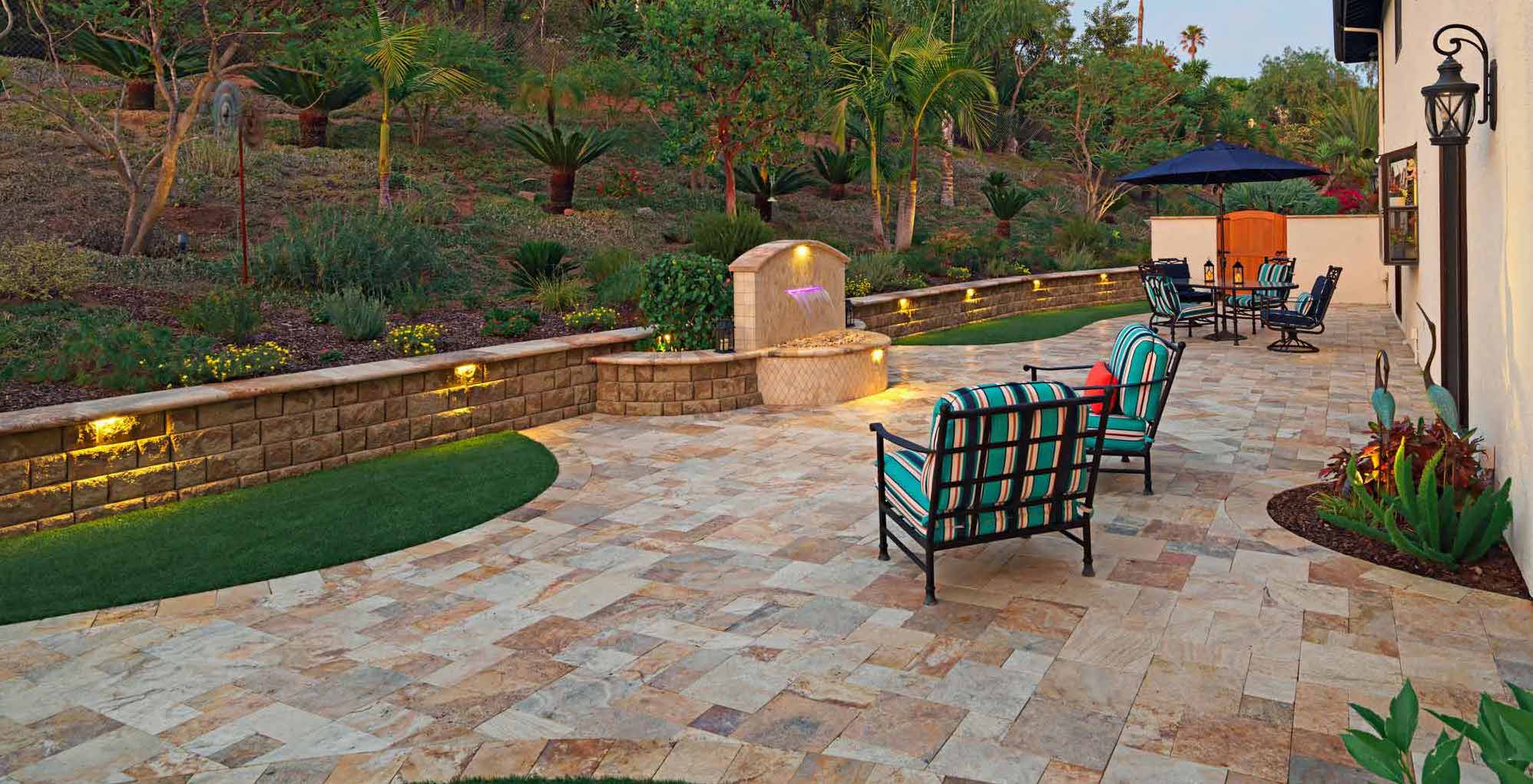
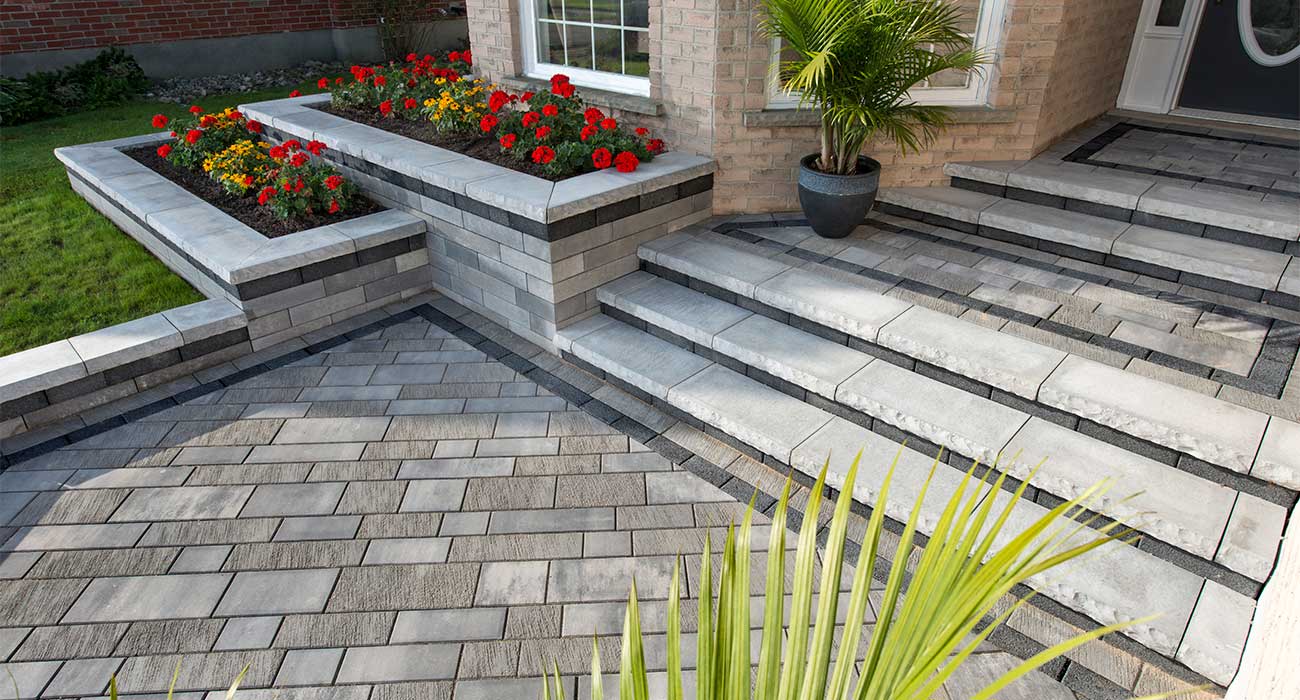
A dry Arizona backyard can look perfectly harmless until a monsoon storm sends sheets of water across the patio, toward the pool, or against the back of the house. This backyard drainage guide is built for the reality Phoenix-area homeowners face: hard, compacted soil, intense downpours, decorative hardscapes, and outdoor spaces that need to look great long after the water is gone.
Drainage is not an add-on to a backyard project. It is part of the foundation. When water has nowhere controlled to go, it can wash out paver bedding, stain concrete, erode turf edges, undermine retaining walls, and create standing water where your family walks and entertains. A well-designed system protects the investment beneath every finished surface.
Start With Where the Water Actually Goes
Before choosing a drain, look at the full path water takes during a heavy rain. Roof runoff, neighboring properties, pool splash-out, irrigation leaks, patio slopes, and low spots can all contribute. The visible puddle is often not the real problem. Water may be entering at one point and collecting somewhere else because the grade does not provide a clear outlet.
Walk the yard after irrigation or a storm and watch for water that remains more than a day. Look for soil erosion along patio borders, settling pavers, runoff marks on walls, algae around shaded surfaces, or mulch that repeatedly washes into the same corner. These clues help identify whether the issue is surface flow, poor grading, a failed drain, or water concentrated by the roof.
The goal is straightforward: move water away from the home and direct it to an approved area where it can safely disperse or drain. That may mean a street-side outlet, a properly designed swale, a landscaped basin, or a dry well sized for the site. Local conditions, lot layout, HOA rules, and municipal requirements all affect the right answer.
Backyard Drainage Guide: Build the Grade First
The most dependable drainage solution begins below the surface. A patio, walkway, artificial turf area, or paver pool deck should have intentional pitch before the final materials are installed. Water cannot be expected to find a drain if the surrounding grade directs it the wrong way.
As a general rule, finished hardscape should slope away from the home. The exact slope depends on the surface, available elevation, drainage destination, and the shape of the yard, but even a subtle, consistent fall makes a major difference. Too little slope allows water to linger. Too much can feel awkward underfoot, move water too quickly, and complicate furniture placement around a pool or fire pit.
This is why site preparation matters so much. Adding a drain to a poorly prepared patio can treat the symptom while leaving the underlying issue in place. During a full backyard installation, the base, edge restraints, elevations, and drainage path should work together before pavers, travertine, concrete, or turf are installed.
Pavers need a stable, drained base
Segmental pavers are an excellent choice for Arizona outdoor spaces because individual units can flex with minor ground movement instead of forming a single large crack like poured concrete. But pavers still rely on a compacted base and properly managed water. Runoff that repeatedly enters the joints or edges can carry away bedding sand and weaken the surface over time.
A quality installation includes excavation to the correct depth, a compacted aggregate base, proper bedding material, secure edge restraints, and a finished slope that encourages water to leave the surface. Depending on the design, joint sand and drainage details may also help control water movement. The attractive top layer matters, but the work underneath is what protects long-term performance.
Choose the Drainage Method for the Problem
There is no single drain that solves every backyard. The best option depends on how much water arrives, how quickly it arrives, and whether the yard has a safe place for that water to go.
A channel drain is often effective along the edge of a pool deck, at a patio threshold, beside a garage apron, or where a broad hardscape surface meets a lower area. Its long, narrow grate captures sheet flow before it crosses into a problem zone. It is especially useful where a visible swale would interrupt a clean, finished hardscape design.
A catch basin works best where water naturally gathers at a concentrated low point. It collects runoff through a grated opening and connects to buried pipe that carries water to a discharge location. Catch basins need periodic cleaning because leaves, gravel, and landscape debris can reduce their capacity.
A French drain uses perforated pipe surrounded by drainage rock and filter fabric to collect water moving through the soil. It can help in planting areas or along a wall where subsurface moisture is the concern. It is not always the right choice for fast-moving monsoon runoff on a large patio. In that situation, surface collection is usually more effective.
A dry well or infiltration basin gives runoff a place to soak gradually into the ground. These solutions can be useful when a direct outlet is limited, although Arizona soils vary widely. Dense caliche or heavily compacted ground may drain slowly, so the system must be designed around actual site conditions rather than guesswork.
Protect the House, Pool, and Retaining Walls
The highest priority is keeping water away from the home’s foundation. Downspouts should not dump roof runoff beside the slab, onto a patio, or behind a retaining wall. Extensions, buried solid pipe, or a designed drainage route can move that water farther into the yard, where it can be handled safely.
Pool areas deserve extra attention. Standing water near a pool deck creates slippery conditions and can leave mineral deposits or discoloration on surfaces. If the deck slopes toward the pool, water may also carry dirt, mulch, and chemicals into the water. A carefully placed channel drain or deck drain can preserve the clean look of the area while helping control runoff.
Retaining walls need drainage behind them, not just in front of them. Water trapped in the soil creates pressure that can cause staining, shifting, cracking, or wall failure. Proper backfill, drainage aggregate, outlet details, and grading behind the wall are all part of a durable wall system. A beautiful wall without a drainage plan is not a lasting solution.
Do Not Let Artificial Turf Hide a Drainage Issue
Artificial turf can make a backyard feel cleaner, greener, and easier to maintain, but it cannot correct a bad grade. Water still needs to move through or beneath the turf system without creating soft spots, odors, washed-out seams, or puddles along the edges.
A properly prepared turf area uses a compacted base, appropriate grading, and perimeter details that prevent runoff from entering underneath the material. In some yards, turf is part of the drainage solution because it replaces thirsty natural grass and allows a planned surface flow. In others, it needs a drain or swale nearby to prevent a low spot from becoming a hidden water trap.
If your backyard combines turf with pavers, planters, or a pool deck, transitions are critical. Each material has a different elevation and drainage behavior. The finished design should make those changes look intentional while keeping water from collecting at the seams.
Avoid Quick Fixes That Create Bigger Repairs
Homeowners often try to solve drainage by filling a low spot with soil, adding decorative rock, or placing a small drain at the deepest point. These measures can help in limited situations, but they often fail when the water volume is larger than expected or there is no functional outlet.
Decorative rock can slow erosion, but it does not make water disappear. Raising one area without checking adjacent grades can redirect water toward the house or a neighbor’s property. A drain tied to undersized pipe can back up during the first serious storm. And sealing pavers or concrete will not compensate for standing water caused by improper slope.
The smarter approach is to identify the source, calculate the flow path, and build the correction into the yard as a whole. That is particularly valuable when you are already investing in a new patio, pool deck, walkway, fire pit, or retaining wall. Correcting elevations during construction is typically cleaner and more cost-effective than tearing out finished work later.
Plan Drainage Into Your Backyard Upgrade
A backyard should support Arizona living, not force you to watch the weather forecast with concern. When planning a hardscape upgrade, ask where roof water will discharge, which direction each finished surface will slope, where overflow will go during a monsoon, and how the design protects the foundation and neighboring properties.
Liberty Pavers approaches drainage as part of the installation process, with preparation work that supports the surfaces homeowners see every day. The right plan can keep a paver patio level, a pool deck safer, artificial turf cleaner, and your outdoor gathering space ready for use after the storm passes.
If water is already pooling, do not wait for it to wash out a patio edge or reach the foundation. A professional site evaluation can reveal whether a grading adjustment, drain system, or more complete backyard redesign will give your property a durable path forward. Get a quotation, ask the right drainage questions before work begins, and give every drop a place to go.