

A retaining wall can look solid enough to hold back a mountain, but the real test happens behind it. So, do retaining walls need drainage? In most residential applications, yes. A wall built without a planned path for water is vulnerable to pressure, shifting, staining, and costly failure, especially when Arizona monsoon rain hits dry, compacted soil.
Drainage is not an add-on that only matters in rainy climates. It is part of the structure. At Liberty Pavers, we see the finished stone, block, or pavers as the visible reward, but the preparation beneath and behind a wall is what protects a homeowner’s investment for years to come.
Why Retaining Walls Need Drainage
Soil is heavy. Wet soil is much heavier, and it behaves differently. When water becomes trapped behind a retaining wall, it creates hydrostatic pressure. That pressure pushes sideways against the wall, while saturated soil can soften, expand, and lose some of the stability needed to support the grade above.
A wall may not collapse the first time it gets wet. Problems often develop gradually: a slight lean, a bulge in the face, separated capstones, washed-out joints, or water stains that keep returning. By the time those signs are obvious, the wall may need more than a simple surface repair.
In the Phoenix area, homeowners sometimes assume drainage is less critical because the climate is dry for much of the year. The opposite can be true. Long dry periods bake and compact the ground, then a strong summer storm can send a large amount of water across patios, side yards, planter beds, and slopes in a short window. If that water has nowhere intentional to go, it can collect behind the wall or erode the soil around it.
What Proper Retaining Wall Drainage Includes
Good drainage is a system, not one product placed in a trench. The right details depend on the wall height, the slope of the lot, the soil conditions, nearby hardscape, and where water can safely discharge. A low decorative garden border has different needs than a wall supporting a raised backyard, driveway edge, or pool-area grade.
Drainage Gravel Behind the Wall
A clean, free-draining gravel zone directly behind the wall gives water an easier route downward than native soil. It also reduces the amount of fine material pressing against the wall face. The exact gravel depth should be based on the wall design, but the principle is consistent: use properly graded aggregate where water needs to move.
This is one area where cutting corners is easy to hide at first. Once the wall is finished and the landscaping is in place, homeowners cannot see whether the installer used the right backfill. That is why workmanship and site preparation matter as much as the color and style of the finished wall.
Perforated Drainpipe at the Base
Many retaining walls benefit from a perforated drainpipe, often called a French drain, placed near the base behind the wall. The pipe collects water that travels through the gravel and carries it toward a planned outlet.
A drainpipe without an outlet does not solve the problem. It simply creates a place for water to collect. The pipe must be positioned with the appropriate slope and routed to a location where it can discharge without washing out soil, flooding a neighboring property, or creating a hazard near a walkway or patio.
Filter Fabric Where Conditions Call for It
Filter fabric can separate native soil from drainage gravel, helping limit the migration of fine particles into the aggregate. When soil clogs the gravel or drainpipe over time, water movement slows down. The wall may then face the same pressure the drainage system was meant to prevent.
Fabric is not a substitute for proper gravel, pipe placement, or grading. It is one supporting detail within a larger installation process.
Surface Grading and Water Control
The ground above and around the wall should be graded to guide water away from the wall whenever possible. Downspouts, irrigation runoff, pool splash-out, and patio drainage all deserve attention during the design stage.
For example, a beautiful paver patio next to a retaining wall should not shed every storm toward the backfilled area. Correct elevations and intentional slope help direct surface water to appropriate drainage paths while keeping the outdoor space comfortable and usable.
When Is Drainage Absolutely Necessary?
For any wall retaining substantial soil, drainage should be treated as essential. That includes walls supporting a sloped backyard, elevated planting areas, driveways, parking areas, or hardscape features. Taller walls carry more consequence because the load behind them is greater, and engineering or permitting requirements may apply based on local regulations and site conditions.
Drainage is also especially important when the wall sits near a pool deck, home foundation, patio, or property line. Water problems in these areas can affect more than the wall itself. Poor runoff control can undermine pavers, stain masonry, create soft spots in landscaping, or send water toward structures where it does not belong.
Very short landscape borders may not require a full drainpipe system in every situation. Even then, the base, backfill, and finished grade should be designed to avoid trapping water. “Small” does not automatically mean “safe to build without preparation.”
Arizona Soil and Monsoon Conditions Change the Plan
Arizona yards can include hard, compacted desert soils, caliche, sandy material, or expansive clay pockets. A one-size-fits-all retaining wall detail is not a responsible answer. Caliche can be difficult to excavate and can redirect water in unexpected ways. Clay-rich soil drains slowly and may expand when wet. Sloped lots can move runoff rapidly toward the lowest point.
That is why a site evaluation should come before a fixed installation plan. A contractor needs to understand the grade, existing drainage patterns, adjacent surfaces, wall purpose, and outlet options. The right wall design is not just about matching your home’s exterior. It is about making sure the wall performs during the weather conditions that put it under stress.
Common Drainage Mistakes That Put Walls at Risk
The most damaging drainage mistakes are usually hidden below grade. Filling the space behind a wall entirely with native dirt, skipping compacted base preparation, using a drainpipe with no outlet, or allowing irrigation to run directly into the backfill can all shorten the wall’s life.
Another frequent mistake is trying to solve a structural drainage problem after the wall is complete by adding surface gravel or a decorative drain. Those updates can improve appearance, but they cannot replace a correctly prepared base, drainage aggregate, and outlet installed behind the wall.
Homeowners should also be cautious about sealing every visible joint in a segmental wall. These systems are designed to manage movement and drainage differently than a solid poured concrete structure. The materials and method should fit the wall type rather than follow a generic repair approach.
Signs Your Existing Retaining Wall May Have a Drainage Problem
A leaning or bulging wall deserves prompt attention, particularly after heavy rain. Other warning signs include recurring white mineral deposits, muddy water escaping through joints, soil washing out near the wall, cracked caps, separated blocks, and puddling at the wall’s base.
Not every crack means the wall is failing, and not every wet spot comes from poor wall drainage. Leaking irrigation lines, broken downspouts, and poor overall yard grading can produce similar symptoms. A professional assessment helps identify the source before money is spent on the wrong repair.
If a wall is visibly moving, do not wait through another monsoon season to see whether it settles back. Movement usually means the structure, base, soil, water management, or a combination of these factors needs to be addressed.
Build the Wall for the Yard You Actually Have
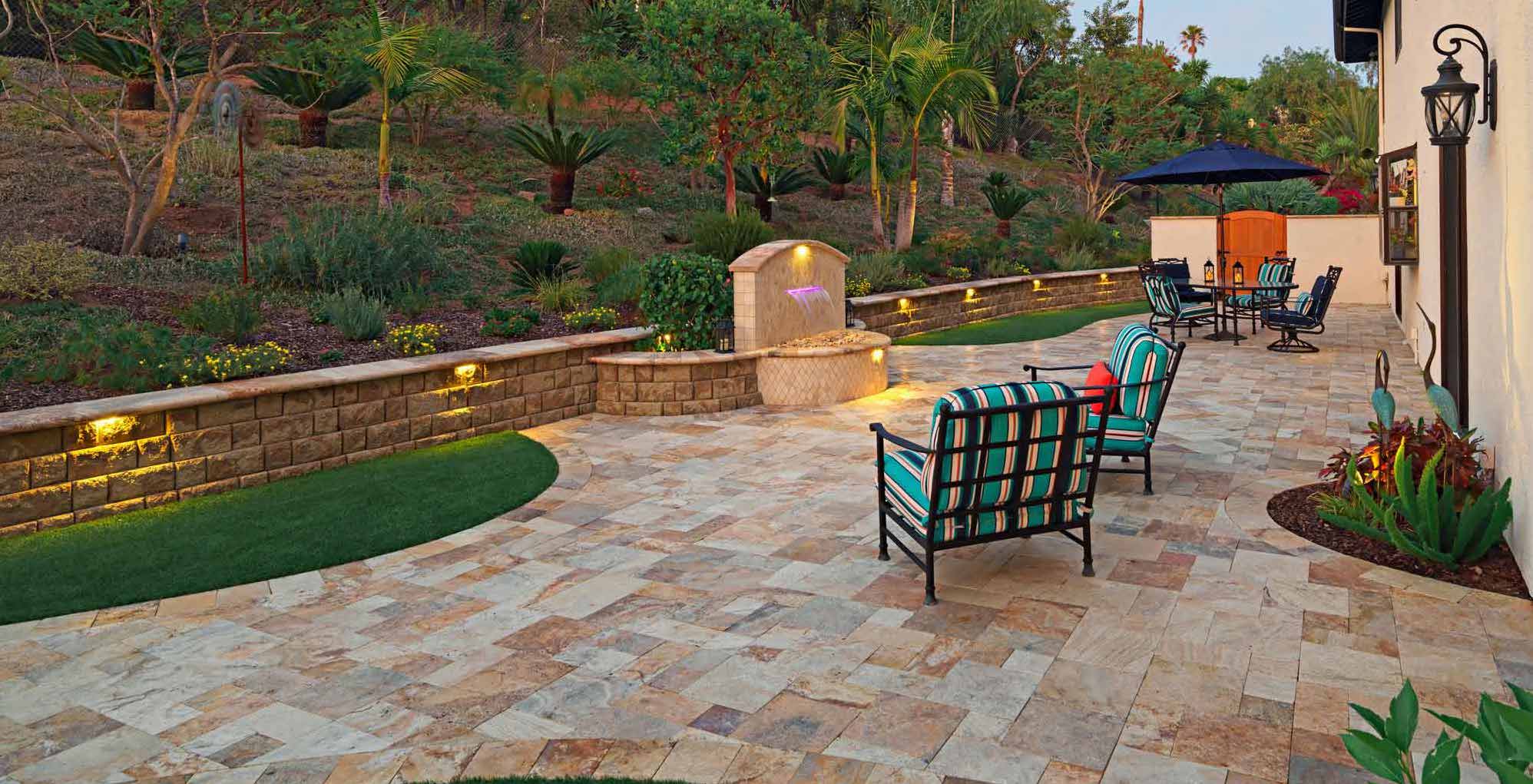
A retaining wall should create a clean, usable outdoor space, whether that means leveling a backyard for artificial turf, defining a paver patio, supporting a fire-pit area, or adding dimension around a pool deck. The wall has to look exceptional, but it also has to manage the forces working behind it.
Before choosing block color, cap style, or landscape lighting, ask how the base will be prepared, how the wall will be backfilled, and where stormwater will go. Those practical answers are what turn a good-looking wall into a lasting part of your Arizona home.