

A new patio has to do more than look good on installation day. In the Phoenix area, it has to take punishing sun, dramatic temperature swings, monsoon runoff, pool splashes, patio furniture, pets, and years of backyard gatherings. When homeowners compare concrete patio vs pavers, the right choice usually comes down to one question: Do you want a basic slab, or a custom outdoor surface designed to perform and stay beautiful over time?
Both materials can create a usable backyard. But they do not handle movement, repairs, design flexibility, or Arizona conditions in the same way. Here is what homeowners should consider before committing to a patio surface.
Concrete Patio vs Pavers: The Core Difference
A poured concrete patio is a continuous slab. It is installed by preparing the site, setting forms, pouring wet concrete, finishing the surface, and allowing it to cure. Concrete can be broom-finished, stamped, colored, or coated for a more decorative result.
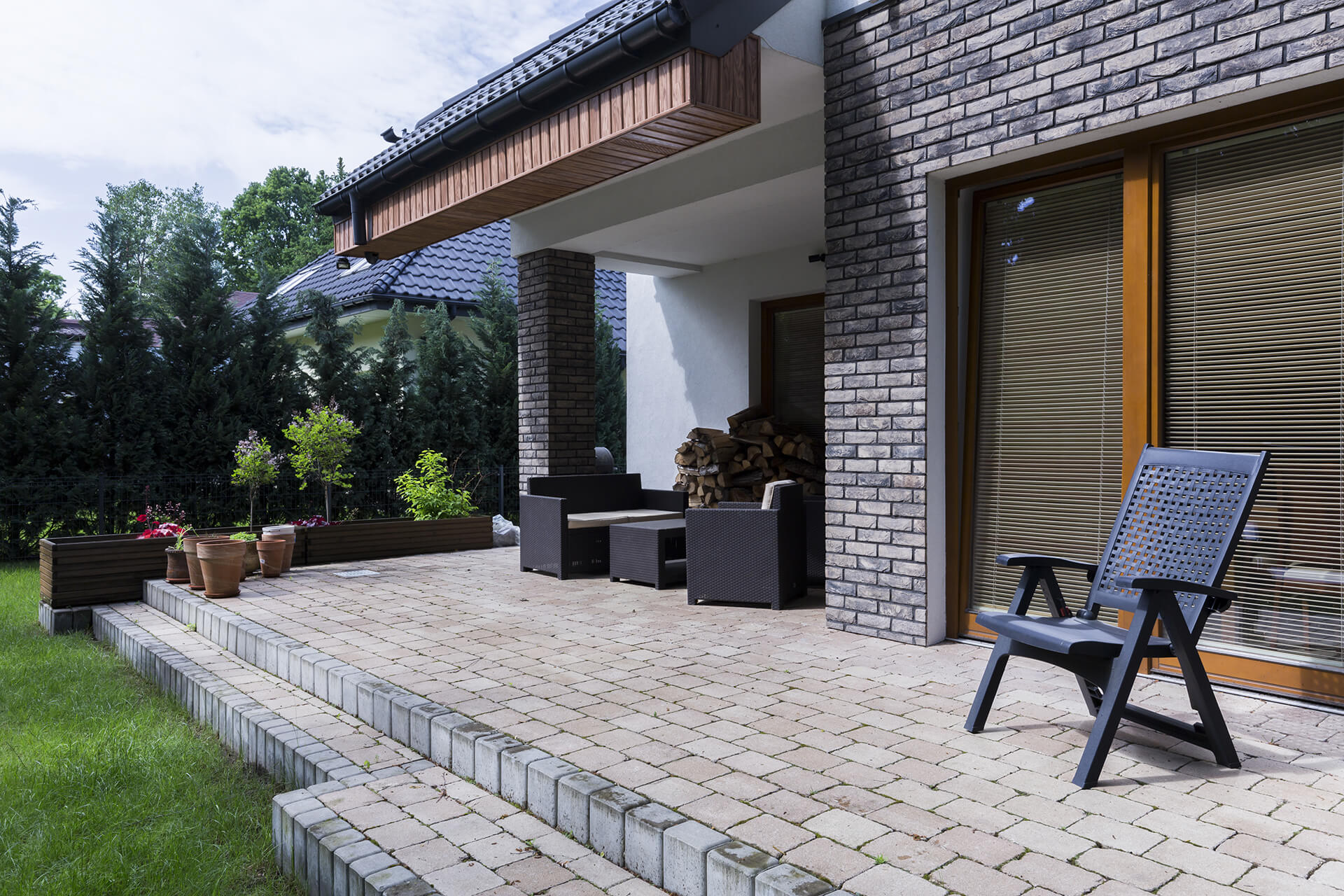
Pavers are individual units made from concrete, brick, or natural stone. They are installed over a carefully prepared aggregate base, then locked together with edge restraints and joint sand. Rather than relying on one large, rigid slab, a paver system distributes weight across many interlocking pieces.
That structural difference matters. Arizona soils can shift, settle, and expand with moisture changes. A slab is strong, but when the ground beneath it moves, concrete often responds with cracks. A properly built paver patio has controlled flexibility. The pavers can move slightly with the base while the finished surface remains stable and attractive.
Arizona Heat Makes Installation Quality Matter
The desert climate is not kind to shortcuts. Summer heat can make outdoor surfaces uncomfortable, while monsoon storms can expose drainage problems that were invisible during dry weather. Whether you choose concrete or pavers, the work below the finished surface determines whether the patio holds up.
Concrete needs the right subgrade preparation, reinforcement where appropriate, proper thickness, control joints, and drainage. Without those details, cracking and uneven settling become much more likely. Control joints are designed to guide cracking, but they do not make a patio crack-proof.
Pavers require excavation to the correct depth, a compacted base, careful grading, edge restraints, and properly installed bedding and joint material. When the base is rushed or underbuilt, pavers can settle, separate, or develop low spots. The visible pattern may get the attention, but the base is what protects the investment.
For homeowners who want lasting outdoor living spaces, preparation should never be an afterthought. A beautiful patio is only as dependable as the ground it is built on.
Appearance and Design Flexibility
Concrete can provide a clean, simple look at a relatively low starting price. A standard gray slab works well for utility areas, side yards, and straightforward patios where appearance is not the main priority. Decorative concrete adds more visual interest through color, stamping, scoring, or exposed aggregate.
Still, decorative concrete has limits. A stamped pattern is imprinted into one slab, and once the concrete is poured, the shape and layout are fixed. If you later want to expand the patio, add a fire pit area, change the border, or build a walkway that blends naturally into the original space, matching old concrete can be difficult.
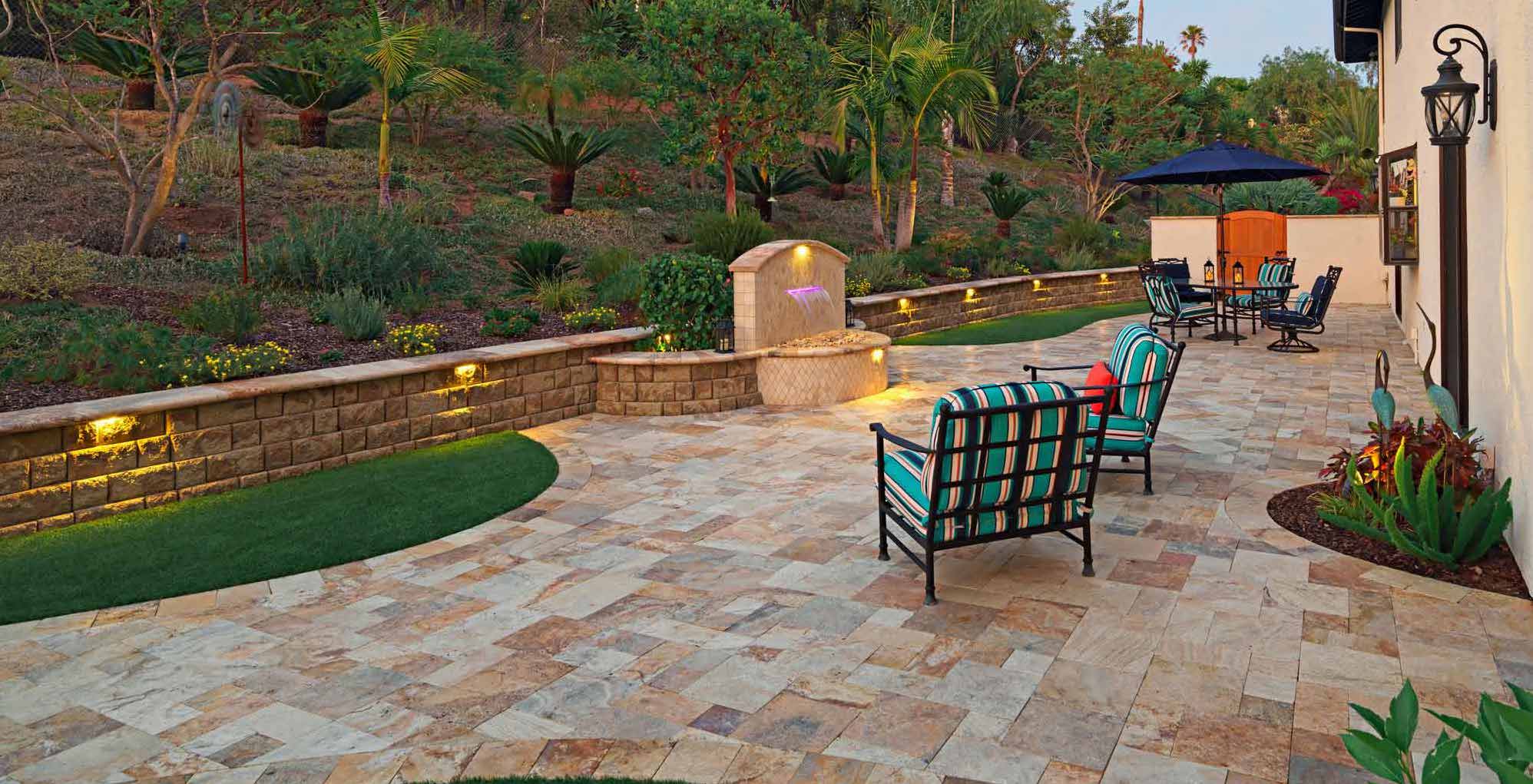
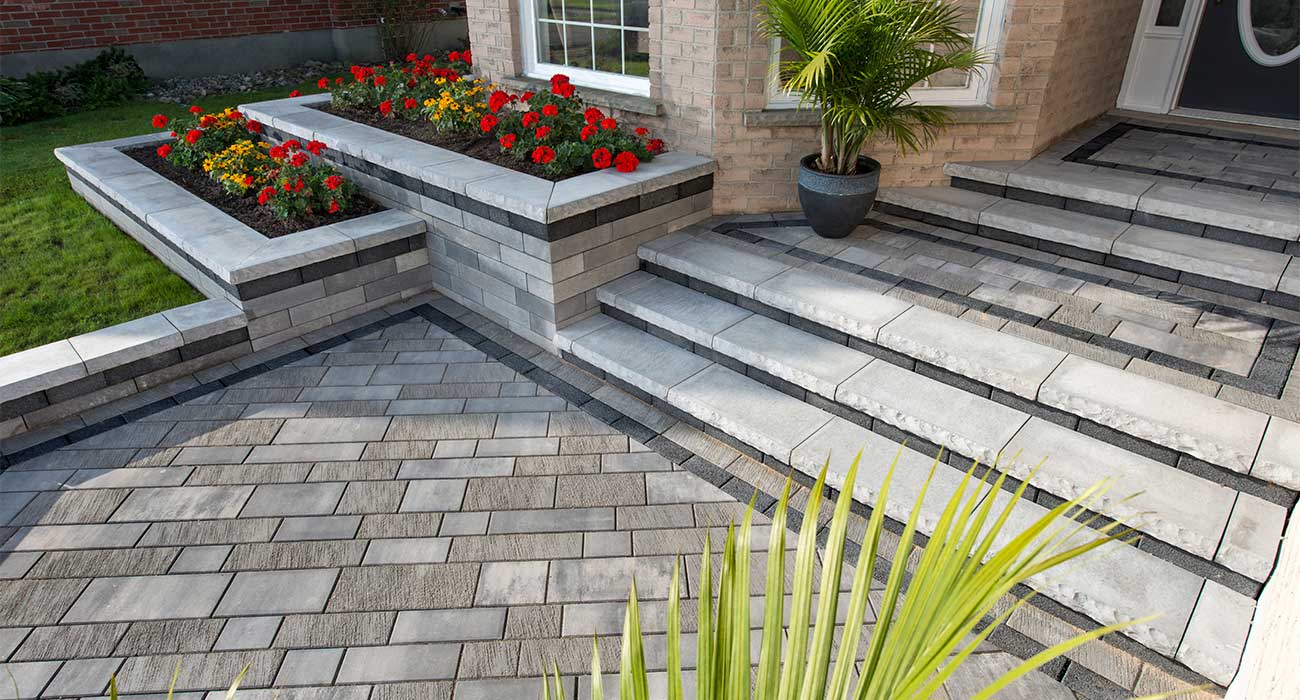
Pavers offer far more opportunity for custom design. Homeowners can choose from contemporary large-format pavers, traditional brick-inspired shapes, natural stone looks, textured finishes, border details, and color blends that complement the home. A patio can transition into a pathway, pool deck, outdoor kitchen pad, steps, artificial turf border, or fire-pit seating area without looking pieced together.
This is where pavers help a backyard stand out from the norm. Instead of treating the patio as a separate slab, it can become the foundation for a complete outdoor living design.
Cracking, Repairs, and Long-Term Ownership
Concrete is durable, but cracks are common over time. Some cracks are minor and mostly cosmetic. Others can create uneven edges, collect debris, or allow water into the slab and base. Repairing cracked concrete is rarely invisible. Patching can leave a noticeable color and texture difference, while slab replacement often means removing a large section or starting over.
Pavers are not impossible to damage, but repair is usually more targeted. If a paver becomes stained, chipped, or damaged, it can often be removed and replaced. If a small section settles because of an irrigation leak or ground movement, the affected area can be lifted, the base corrected, and the same pavers reinstalled.
That repairability is a major advantage for Arizona homeowners. Outdoor spaces change. Irrigation lines need work, pool equipment gets updated, and families add pergolas, grills, fire features, or landscape lighting. A segmental paver system makes future adjustments less disruptive than cutting and patching a concrete slab.
Comfort and Safety Around Pools and Patios
No exterior surface stays cool in direct Arizona sun, especially in July. Surface color, texture, exposure, and shade all affect how hot a patio feels underfoot. Lighter-colored materials generally reflect more heat than darker finishes, and the right material selection can make a meaningful difference around a pool or barefoot seating area.
Concrete can be finished with texture for slip resistance, but some decorative coatings and smooth finishes become slick when wet. Pavers are available in textured, nonslip options that are well suited for pool decks, walkways, and entertaining spaces. Their joints also create natural breaks in the surface, which can provide additional traction.
A good design goes beyond the material itself. Proper slope directs water away from the home, prevents standing water, and makes a poolside patio more comfortable after a storm or an active afternoon in the pool.
Cost: Look Beyond the First Price
A basic concrete patio usually costs less upfront than a professionally installed paver patio. For a homeowner who needs a simple, functional surface and has a tight budget, concrete can be a reasonable choice.
However, the initial quote is not the only cost worth considering. Decorative concrete can narrow the price gap, especially when adding stamping, multiple colors, coatings, borders, or more complex shapes. Long-term repairs, crack treatment, resurfacing, and the challenge of matching additions can also affect concrete’s overall value.
Pavers generally require a higher initial investment because of material cost and the labor involved in excavation, base preparation, compaction, cutting, and detailed installation. In return, homeowners receive a more customizable surface with localized repair options and strong curb appeal. For patios that anchor a full backyard renovation, that value often becomes clear every time the space is used.
The best comparison is not simply price per square foot. Compare the proposed base depth, drainage plan, edge restraint, materials, finish details, warranty, and what happens if the surface needs repair later. A low estimate that skips preparation can become the expensive option.
When Concrete Is the Better Choice
Concrete is not the wrong answer for every project. It can make sense for a small utility pad, a basic side-yard walkway, a temporary solution, or a homeowner who prioritizes the lowest initial cost over custom design. It can also work well when a smooth, continuous finish is specifically desired.
The key is to go into the project with realistic expectations. Concrete will likely develop some cracking over its life, even with quality installation. Choosing a reputable contractor, proper reinforcement, thoughtful joint placement, and good drainage gives the slab its best chance to perform well.
When Pavers Are Worth It
Pavers are often the stronger choice for homeowners building a patio meant for entertaining, relaxing, and adding value to the property. They are especially well suited for pool decks, fire-pit areas, outdoor kitchens, walkways, front entries, and backyards where visual impact matters.
They are also a practical choice when you want flexibility. A paver patio can be shaped around existing landscaping, expanded in phases, repaired in sections, and designed to coordinate with other hardscape features. With extensive base preparation and experienced installation, it becomes a surface built for Arizona living rather than just another slab behind the house.
Liberty Pavers approaches every project with that long-term view. From the initial layout and fixed estimate to site preparation, material selection, and installation, the goal is to create an outdoor space that looks impressive now and continues working hard for your home.
Before choosing a material, walk into your backyard and picture how you want to use it three, five, and ten years from now. The best patio is not just the one that fits today’s budget. It is the one that gives your family a dependable, inviting place to gather under the Arizona sky.