

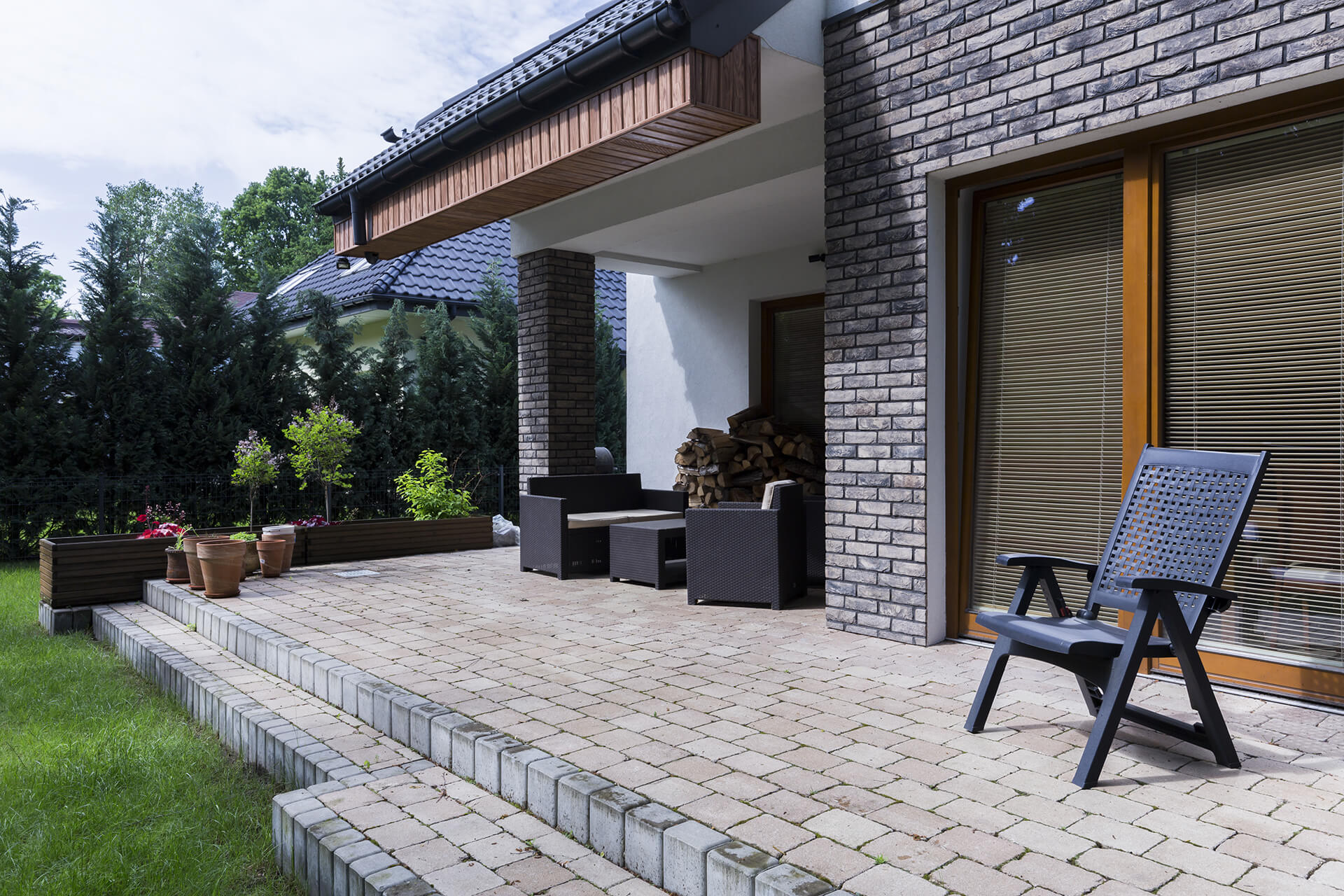
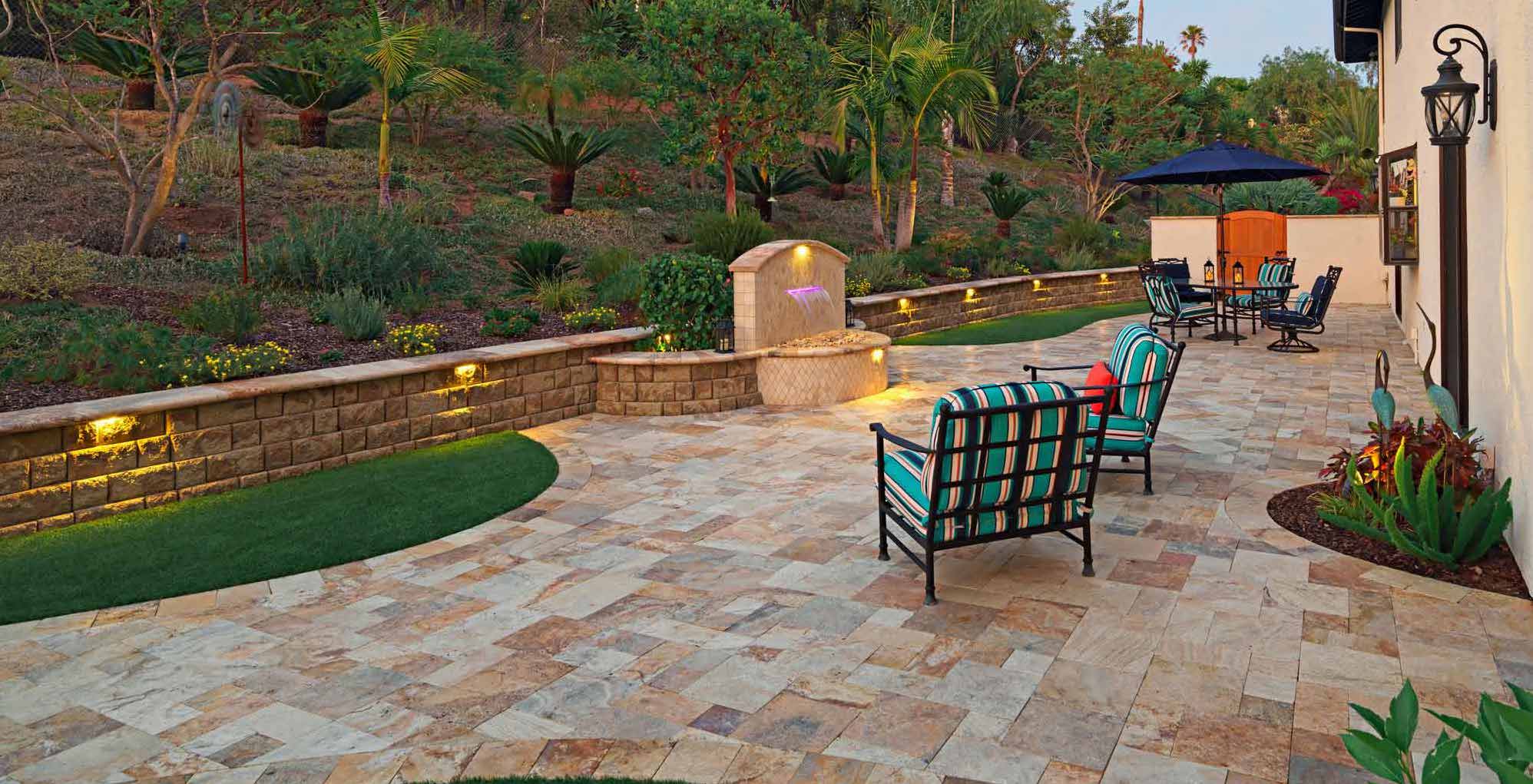
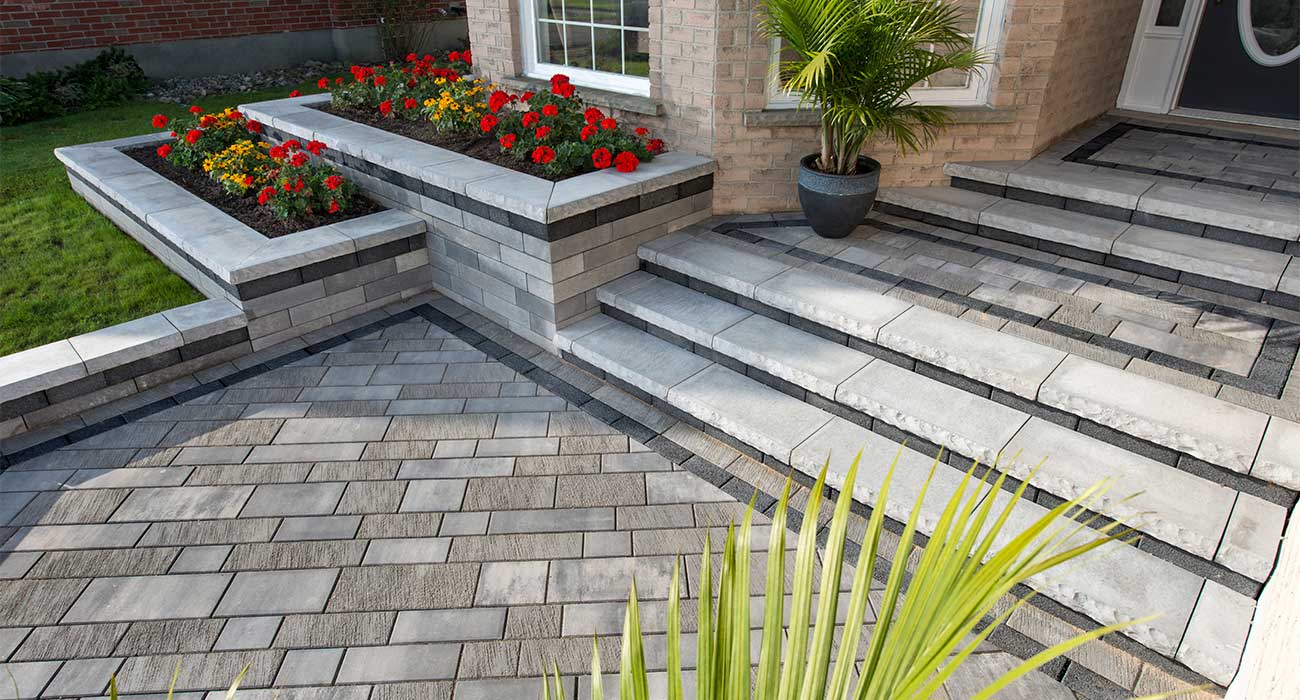
A pool should be the centerpiece of your backyard, not the place everyone avoids at noon because the surrounding concrete is too hot to cross. The right pool deck pavers Arizona homeowners choose can change how the entire space looks, feels, and performs – from safer footing around the water to a custom finish that makes the pool feel connected to the rest of the yard.
Arizona pool decks take a beating. Intense sun, high surface temperatures, monsoon moisture, shifting soils, pool chemicals, and constant foot traffic all put materials to the test. That is why choosing a beautiful paver is only part of the decision. The preparation beneath it, the drainage plan, the joint material, and the installation details determine whether your deck stays level and inviting for years.
Why Pool Deck Pavers Work So Well in Arizona
Pavers give homeowners more control over both the appearance and long-term performance of a pool area. Unlike a large slab of poured concrete, a segmental paver deck is made from individual units installed over a properly prepared base. That structure allows the surface to handle minor ground movement more gracefully than a single continuous slab.
When concrete cracks, the crack can run across a large portion of the deck and become difficult to disguise. With pavers, a damaged or stained section can often be addressed by lifting and replacing the affected pieces. That repairability is a practical advantage for a backyard investment that sees years of sun exposure, furniture movement, and family use.
The design flexibility matters, too. A pool deck does not need to look like a plain gray border around the water. Pavers can create clean contemporary lines, warm desert-inspired colors, classic patterns, contrasting borders, and defined zones for loungers, grills, fire features, or outdoor dining. The finished deck can make the pool look intentional rather than added on.
The Arizona Conditions Your Pool Deck Must Handle
A pool deck in Phoenix, Scottsdale, Mesa, Gilbert, Chandler, Queen Creek, or Surprise has different demands than one in a mild coastal climate. Materials and installation methods should reflect that reality.
Heat and Bare Feet
No hardscape material stays cold under Arizona summer sun, but color, texture, and material selection make a real difference. Lighter shades generally absorb less heat than dark charcoal or deep brown surfaces. Some homeowners prefer travertine around a pool because it tends to feel more comfortable underfoot than many dense concrete products, while others choose light-toned concrete pavers for their range of shapes and colors.
The best choice depends on the location of the deck, available shade, surrounding walls, and how the space will be used. A large west-facing pool deck with little shade may call for a lighter palette and planned shade structures. A smaller pool area with mature landscaping may allow more freedom in color selection.
Water, Drainage, and Monsoon Storms
Water must move away from the home, pool equipment, and low spots where it can collect. A quality pool deck installation is not simply about placing pavers level. It is about creating the correct pitch, managing runoff, and preparing the base so the surface remains stable after heavy rain.
Poor drainage can lead to settling, joint sand loss, standing water, and unsightly movement around deck edges. During the design stage, a contractor should evaluate existing grades, drainage paths, downspouts, planters, and nearby structures. This is especially important when replacing an old concrete deck, because removing the slab can reveal grading problems that were hidden for years.
Soil Movement and Surface Stability
Arizona soils can shift with moisture changes, and poorly compacted fill is a frequent cause of paver settlement. The visible paver is only the final layer of a system. Excavation depth, proper subgrade preparation, compacted aggregate base, edge restraints, bedding sand, and joint stabilization all work together to support the finished deck.
This is where homeowners should look beyond a low initial price. A thin base or rushed compaction may not be visible on installation day, but it can show up later as dips, loose edges, and uneven transitions around the pool. Workmanship below the surface protects the investment above it.
Choosing Materials for Pool Deck Pavers in Arizona
There is no single best material for every pool deck. The right fit comes down to your style, budget, comfort preferences, maintenance expectations, and the architecture of your home.
Concrete pavers are a popular choice because they offer strong design variety and dependable performance. They can mimic natural stone, create crisp geometric patterns, or provide a traditional cobblestone appearance. They are also available in many colors, allowing homeowners to coordinate the deck with a paver patio, driveway, walkways, or retaining walls.
Travertine provides a natural stone appearance that fits especially well with Arizona’s resort-style outdoor living. Its organic variation gives each deck character, and lighter travertine selections are often appealing for pool areas where foot comfort is a priority. Because it is natural stone, color and texture variation are part of its appeal. It may also require a higher upfront budget than standard concrete pavers.
Brick and natural stone can create a distinctive custom look, particularly around older homes, Mediterranean architecture, or landscape-forward backyards. These options may be ideal for accents, borders, steps, or smaller feature areas, even when the main deck uses another material.
For any material, avoid selecting solely from a small sample in an air-conditioned showroom. View full-size samples outdoors when possible. Look at them in direct sunlight, next to the pool water, siding, stucco, landscape rock, and turf. Arizona light can make a color appear very different than it does indoors.
Design a Deck for How You Actually Live
A beautiful pool deck should support the way your household uses the backyard. If you host weekend gatherings, plan enough open space for seating and clear walking paths around the pool. If the area is mostly for relaxing, prioritize lounge zones, shade, and a comfortable route from the house to the water.
Think through furniture before the paver layout is finalized. Oversized chaise lounges, dining sets, umbrellas, outdoor kitchens, and fire pits all need room. A deck that feels generous when empty can feel crowded once furniture is in place.
Borders and changes in paver pattern are useful design tools. They can frame the pool, separate a dining area from a lounge area, or create visual direction toward a pergola or fire feature. A contrasting border can also add definition around curved pool lines without overwhelming the rest of the yard.
Safety should guide the design as much as style. Select a surface texture that offers traction when wet, avoid abrupt elevation changes, and make steps easy to see. If young children, older relatives, or frequent guests use the pool, clear pathways and well-planned lighting deserve extra attention.
What a Quality Installation Should Include
The most attractive pool deck pavers Arizona can offer will not perform well if the installation process is rushed. Before installation begins, the site should be carefully evaluated for elevation, drainage, access, existing concrete, irrigation lines, pool coping, and nearby landscape features.
A professional crew should excavate to the proper depth, prepare and compact the subgrade, install a stable aggregate base in controlled lifts, and set pavers on a consistent bedding layer. Edge restraints are essential because they help prevent pavers from spreading outward over time. The final surface should be compacted and joints filled with appropriate sand or joint material to lock the system together.
Pool coping requires special attention. The deck must meet the coping cleanly while allowing for the pool’s structural needs and proper expansion considerations. This is not a place for guesswork or shortcuts. Precise cuts, consistent transitions, and intentional drainage details separate a finished pool deck from a surface that merely looks acceptable at first glance.
At Liberty Pavers, the focus is on building the foundation correctly before the finished pavers ever go down. That preparation-first approach helps homeowners avoid the costly frustration of a deck that settles or shifts because critical work was skipped below the surface.
Maintaining Your Paver Pool Deck
Pavers are low maintenance, not no maintenance. Routine care keeps the deck looking sharp and helps prevent small issues from becoming larger repairs.
Sweep away leaves, landscape debris, and dirt regularly, particularly near the waterline and furniture areas. Rinse the surface as needed and address spills or pool chemical residue promptly. For stubborn stains, use cleaning products appropriate for the specific paver or stone material rather than harsh chemicals that could discolor the surface or damage joint material.
Inspect joints and edges periodically. If joint sand has washed out or a small area begins to move, addressing it early is usually simple. Sealing may be appropriate for certain materials and desired finishes, but it depends on the product, the look you want, and the level of maintenance you are willing to take on. A sealer can enhance color or stain resistance, but it should never be used as a substitute for proper installation.
Your pool deck should make the backyard easier to enjoy from the first warm morning through the longest summer evening. Choose a surface that fits your home, plan it around your real life, and insist on a foundation built to handle Arizona conditions. A clear, fixed estimate and a thoughtful on-site evaluation are the right place to start.