

A pool deck can look spectacular at noon and still become a problem the moment kids run from the water with bare feet. For Phoenix-area homeowners, the best nonslip pool deck surface needs to do more than provide traction. It has to handle intense sun, monsoon moisture, constant splash zones, chemical exposure, and the kind of everyday entertaining that turns a backyard into the center of the home.
There is no single material that is right for every pool. The best choice depends on your budget, the amount of direct sun around the pool, your preferred style, and how the surface is installed. That last point matters more than most homeowners realize. A premium material placed over an unstable base can settle, shift, drain poorly, and lose the clean appearance you paid for.
What Makes a Pool Deck Truly Nonslip?
No outdoor surface is completely slip-proof when it is wet. Sunscreen, pool chemicals, standing water, algae, and smooth finishes can all reduce traction. A safer pool deck comes from selecting a material with texture, planning drainage correctly, and keeping the surface clean.
Texture is the first factor. A lightly textured paver or stone surface gives wet feet more grip than a polished slab. Deeply rough finishes are not always the answer, though. They can be uncomfortable under bare feet and may collect dirt. The goal is a surface with consistent, comfortable traction rather than an aggressively abrasive finish.
Drainage is equally important. Water should move away from the pool edge and away from the home instead of collecting in low spots. Proper grading and base preparation help prevent puddles that create slipping hazards and can undermine the surface over time. At Liberty Pavers, this work beneath the finished deck is treated as part of the investment, not an afterthought.
Finally, Arizona heat changes the conversation. A deck that is safe but painfully hot will not get used the way it should. Lighter colors, materials with natural thermal performance, and thoughtful shade planning can make a major difference during long summer afternoons.
Why Textured Concrete Pavers Are Often the Best Nonslip Pool Deck Surface
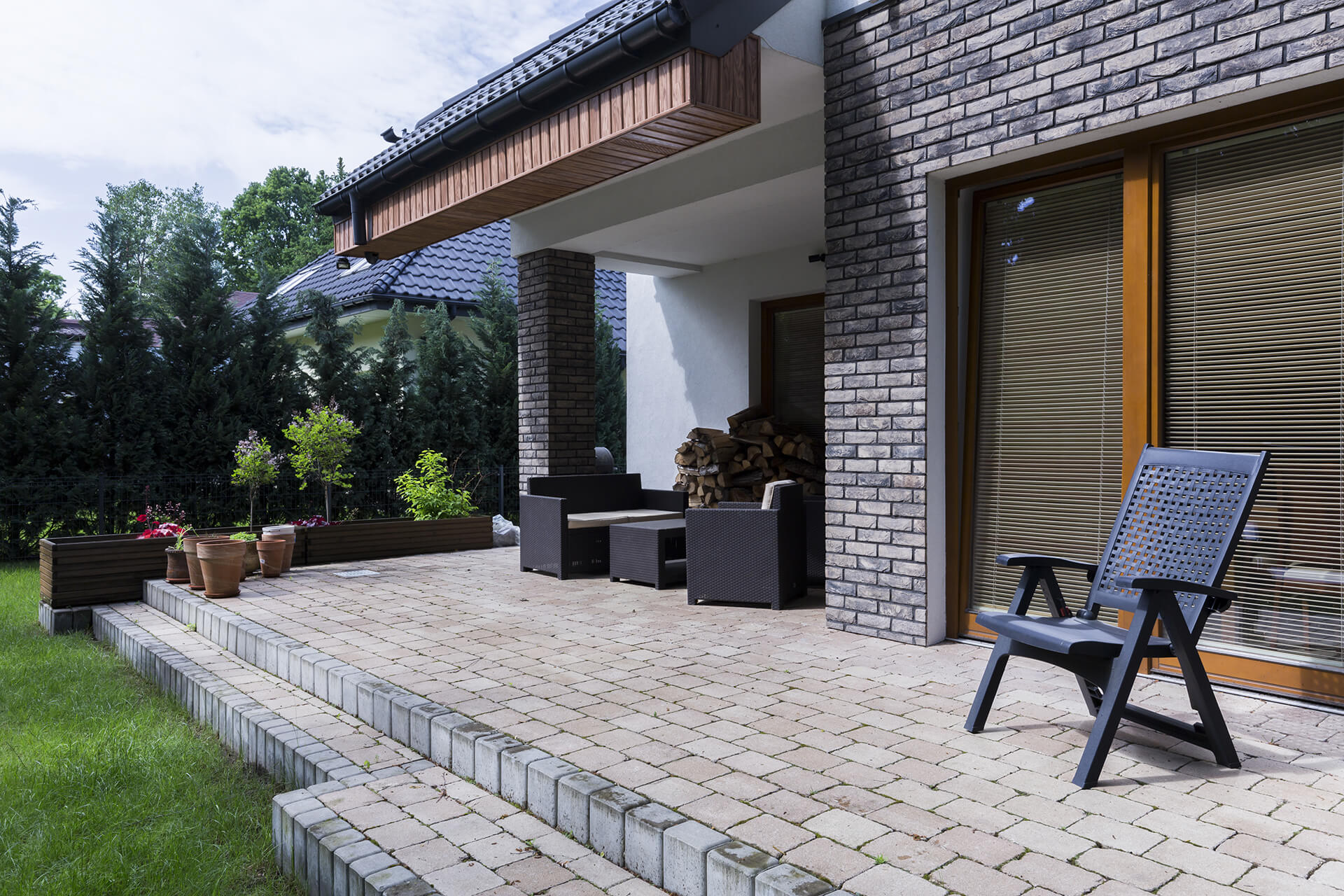
For many Arizona homes, textured concrete pavers are the strongest all-around option. They offer dependable traction, design flexibility, repairability, and long-term performance when installed over a properly prepared base.
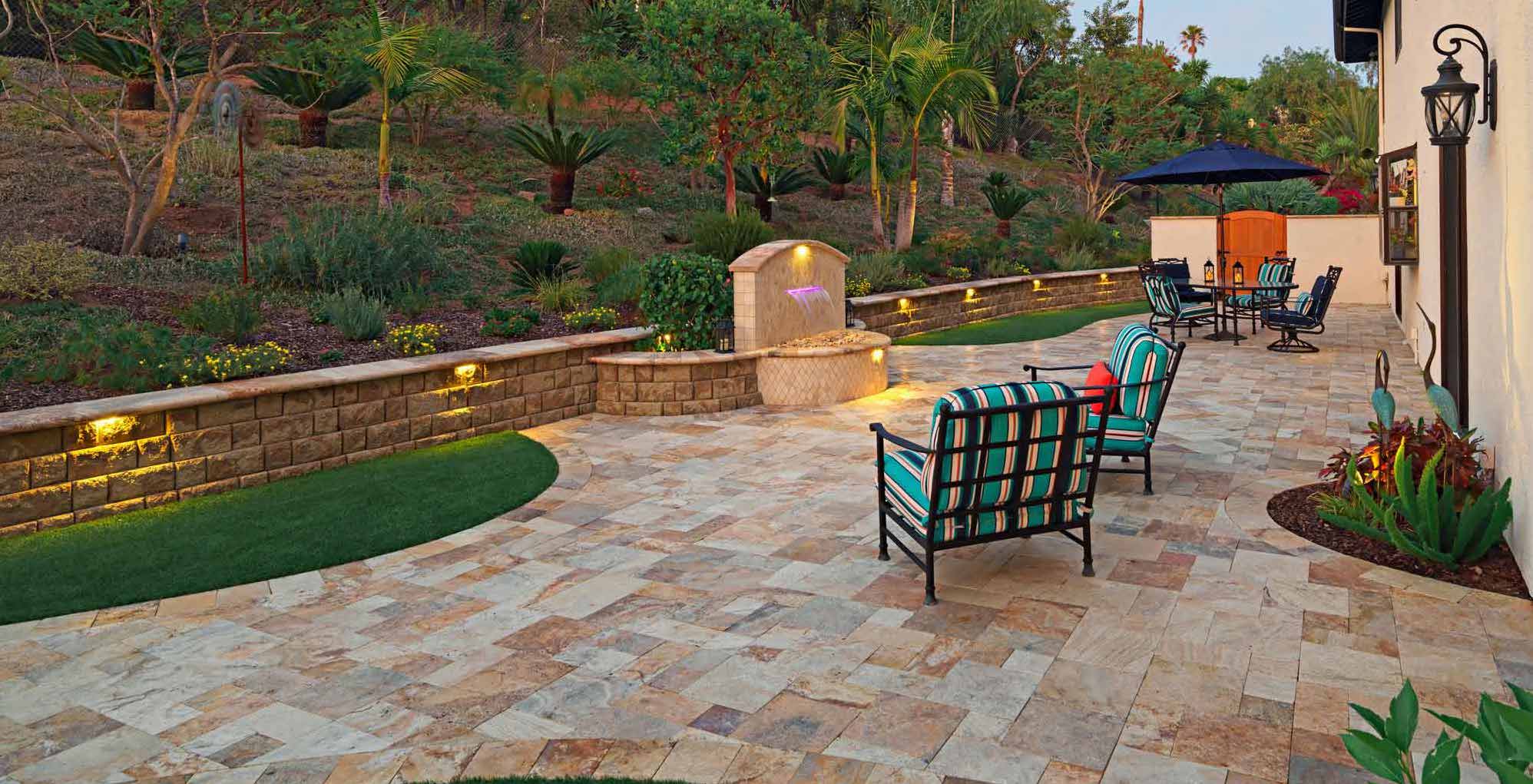
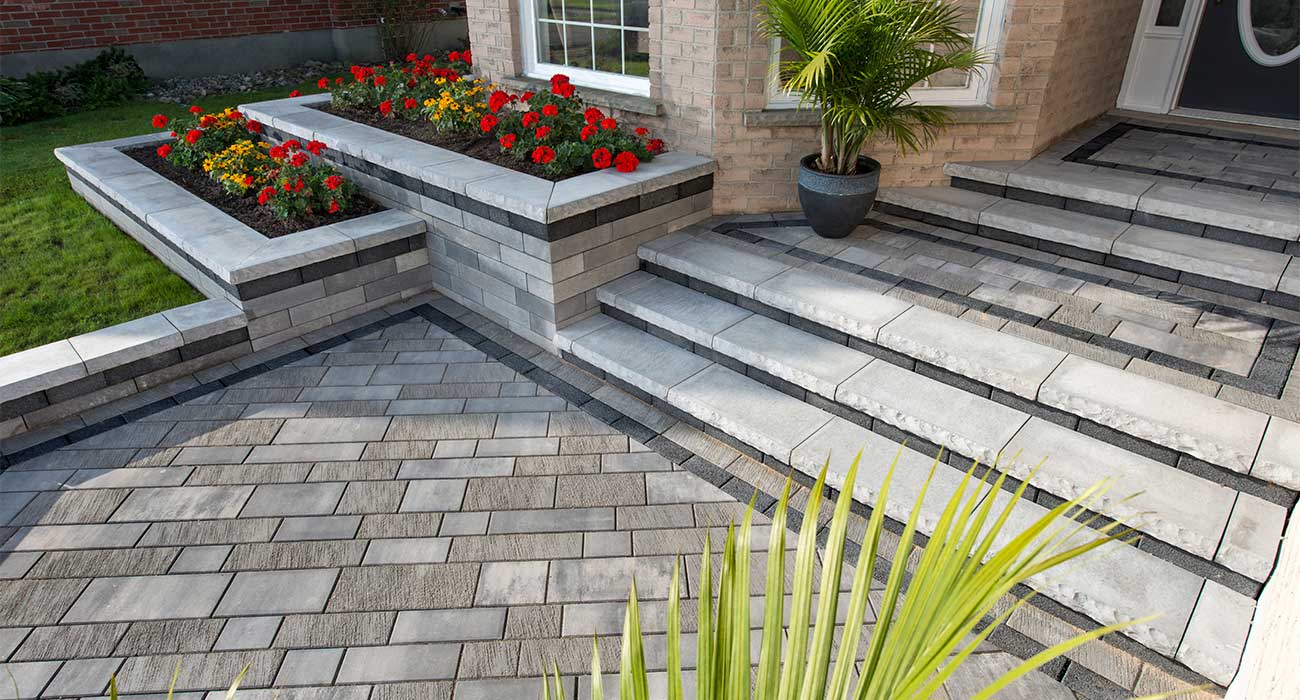
Concrete pavers are manufactured in a broad range of colors, sizes, and surface textures. Homeowners can create a clean contemporary deck around a modern pool, a warm Old World courtyard, or a layout that connects the pool area to a patio, fire pit, artificial turf, and walkways. Instead of settling for one large expanse of plain concrete, pavers let the deck become a finished outdoor living space.
Their segmental construction is a practical advantage in Arizona soil conditions. Unlike a single poured slab, pavers have joints that allow the system to accommodate minor ground movement. When a paver is damaged or stained, it can usually be removed and replaced without demolishing the entire deck. That is especially valuable around pools, where future plumbing work or landscape changes may require access.
Not every paver is equally suited to a pool deck. Very smooth pavers and dark colors can create avoidable problems. Ask for a textured or tumbled surface with a color palette that reflects heat well. A contractor should also discuss coping details, joint material, drainage, and the transition between the deck and surrounding yard. Those details determine whether the finished space feels custom-built or simply paved.
The installation makes the difference
A paver pool deck performs best when the subgrade is excavated and compacted correctly, followed by an appropriate aggregate base and carefully leveled bedding layer. Edge restraints keep the field of pavers secure, while joint sand helps lock the system together. Skipping these steps may lower the initial price, but it can lead to settling, uneven edges, and water collection later.
A fixed, detailed estimate should identify the preparation work included in the project. Homeowners deserve to know what is being built below the surface, not just what the deck will look like on installation day.
Travertine: Cool, Elegant, and Worth a Closer Look
Travertine remains a popular pool-deck material for good reason. Its natural stone appearance brings a resort-style finish to Arizona backyards, and many homeowners appreciate that it can feel cooler underfoot than dense concrete surfaces. Filled and honed travertine has a refined look, while tumbled travertine offers more texture and a softer, more casual character.
For traction, a tumbled finish is generally the better fit around a pool. The natural pores and texture help create grip, although sealers and surface treatments should be selected carefully so they do not leave the stone overly slick. Stone also benefits from a professional installation that addresses movement, drainage, and consistent spacing.
The trade-off is cost and maintenance. Travertine is often more expensive than concrete pavers, and its porous nature can make it more vulnerable to staining if it is not maintained correctly. Pool chemicals, food spills, and hard-water deposits deserve attention. It is a beautiful choice for homeowners who want natural material and are willing to care for it, but it is not automatically the best value for every project.
Concrete: A Familiar Option With Real Limits
Broom-finished concrete is common around Arizona pools because it is familiar and can be installed at a lower starting price than many paver or stone systems. The broom finish adds texture, helping improve traction compared with smooth troweled concrete. Decorative options such as stamped concrete, exposed aggregate, and coatings can change the appearance as well.
The concern is long-term cracking. Arizona’s heat, soil movement, and settling can all affect a monolithic concrete slab. Control joints help manage cracks, but they do not eliminate them. Once cracks, spalling, or discoloration appear, repairs can be difficult to blend into the original surface.
Stamped concrete deserves particular caution around a pool. Some patterns and sealers can become slick when wet, especially as the surface ages or receives repeated resealing. If you prefer concrete, choose a finish designed for wet areas, avoid high-gloss sealers, and make drainage part of the plan from the beginning.
Other Pool Deck Options to Consider
Rubberized coatings, acrylic coatings, and cool-deck systems can improve the comfort and grip of an existing concrete deck. They can be practical for a homeowner who wants to refresh a sound slab without a full replacement. However, coatings are not a cure for structural cracks, major drainage issues, or settling concrete. They also wear over time and may need recoating.
Exposed aggregate provides strong texture and a durable visual finish, but some people find it harsh on bare feet. Porcelain pavers can offer impressive stain resistance and modern style, yet the specific product must be rated for exterior wet areas and installed with the right system. A smooth porcelain tile may look beautiful, but it is not a smart choice beside a busy family pool.
Choose for Your Backyard, Not Just the Sample Board
The most useful question is not simply, “What is the least slippery material?” Ask how your family will use the space. A household with young children and frequent pool parties may prioritize traction, soft edges, and easy cleanup. A homeowner building a quiet Scottsdale-style retreat may put more value on the cool feel and natural elegance of travertine. Someone replacing cracked concrete may want the repairability and design range of interlocking pavers.
Color deserves a practical conversation too. Light tones usually stay more comfortable in direct sun, but extremely pale surfaces can show dust, leaves, and hard-water marks. Medium desert neutrals often provide a good balance between heat performance and day-to-day appearance. Add shade structures, umbrellas, or strategically placed trees where possible, because no deck material can fully defeat a 115-degree afternoon alone.
Before approving a design, walk on full-size material samples in sunlight if you can. Look at them when wet. Consider how the surface meets the pool coping, gates, steps, patio doors, and landscape borders. A pool deck should guide people naturally through the backyard while giving them solid footing at every transition.
A well-built nonslip deck is not just a safety upgrade. It is the foundation for more relaxed pool days, more confident entertaining, and a backyard your family can enjoy through every Arizona season. Get a quotation from a licensed, bonded, and insured local contractor who will examine the site, explain the preparation work, and help you choose a surface that looks exceptional long after the first splash.