


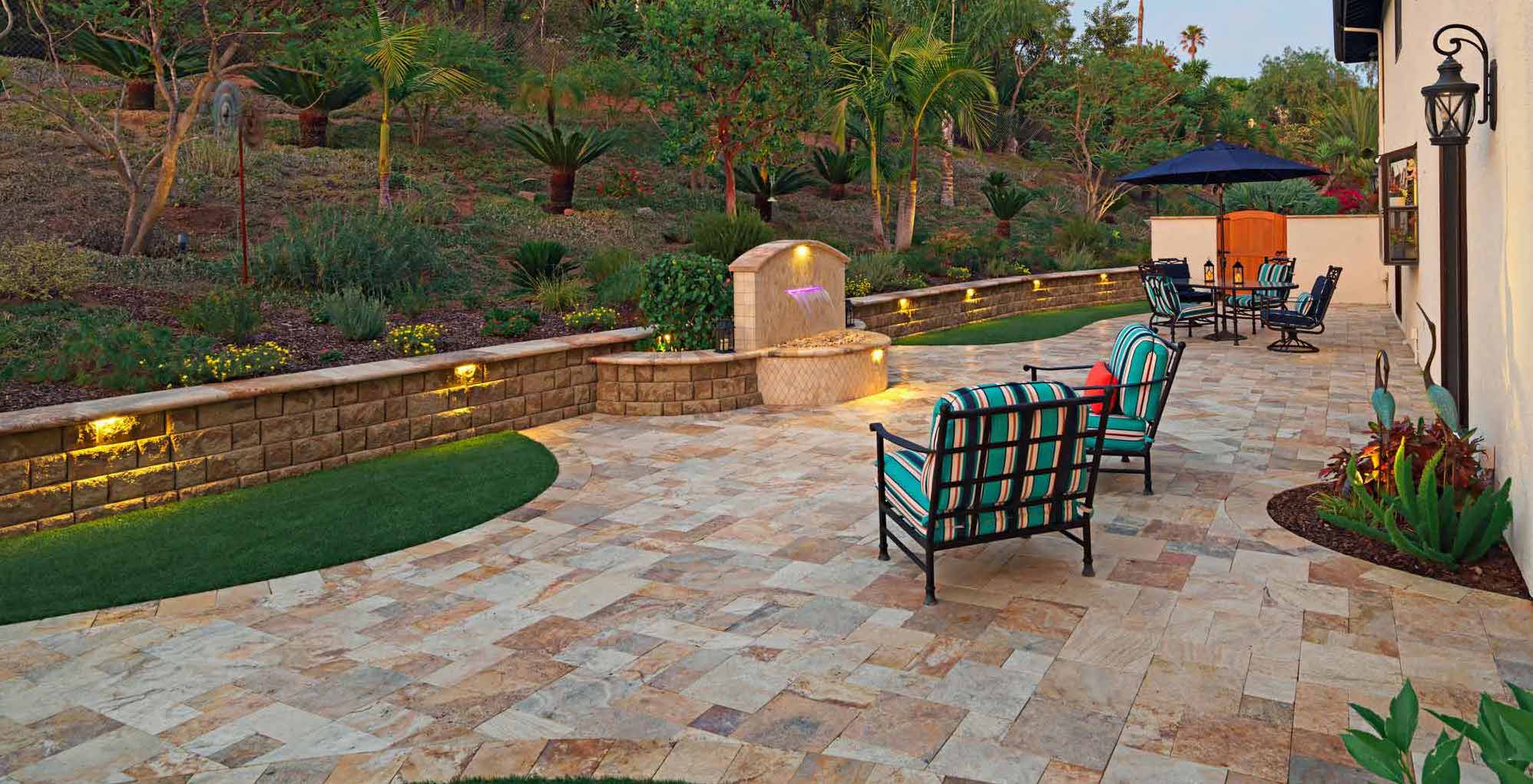
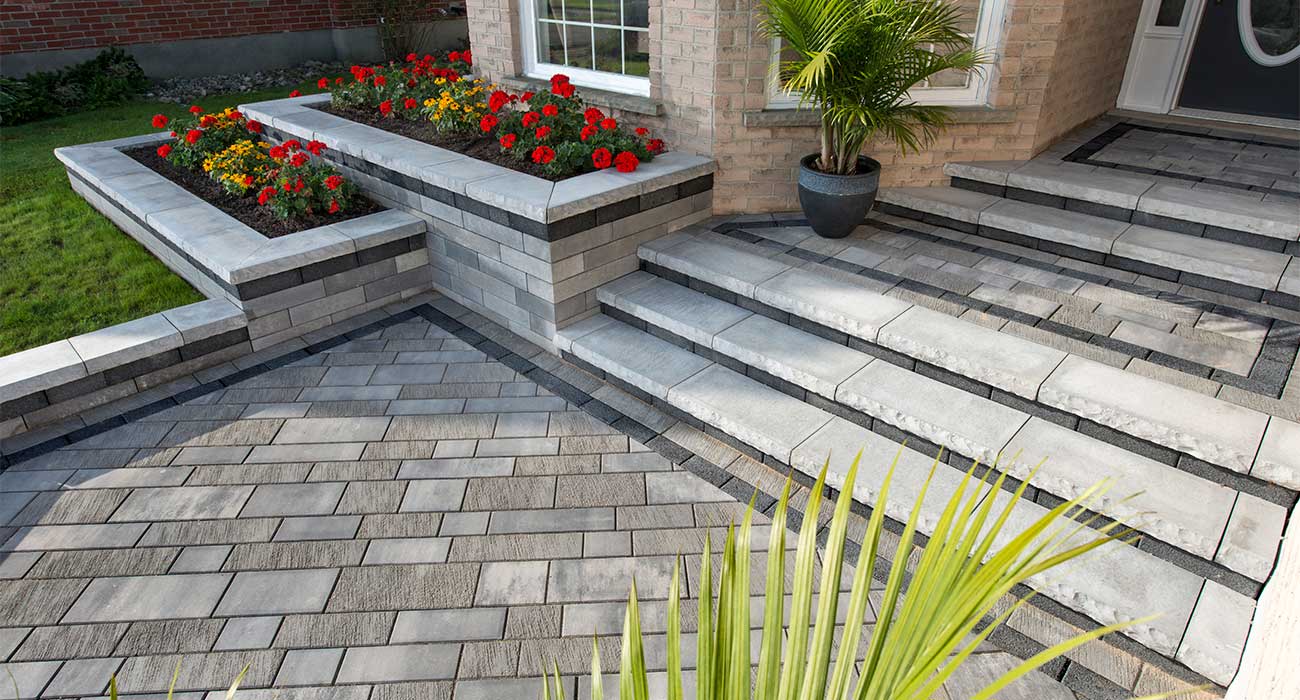
A beautiful paver patio or stone fire pit can make an Arizona backyard feel like the place everyone wants to gather. But the finished surface is only part of the investment. A careful masonry contractor credentials review helps you choose a team that can build the foundation, drainage, edges, and details correctly before the first paver or stone is set.
For Phoenix-area homeowners, this matters even more. Intense heat, monsoon rain, shifting soils, and heavy use around pools all put pressure on hardscape installations. The right contractor protects your investment with proven qualifications and a process built for long-term performance, not just a good-looking finish on installation day.
What Credentials Should a Masonry Contractor Have?
Credentials are not a substitute for craftsmanship, but they are the first sign that a contractor takes accountability seriously. Before accepting a bid for a driveway, pool deck, retaining wall, patio, or outdoor kitchen, verify the company is properly licensed for the work being proposed.
In Arizona, homeowners can check a contractor’s license status through the Arizona Registrar of Contractors. Confirm that the license is active, that the classification matches the scope of your project, and that the business name on the license matches the name on the estimate and contract. A contractor may be qualified for one type of exterior work but not another, especially when a project includes structural walls, electrical features, plumbing, or gas for a fire feature.
A legitimate contractor should also be bonded and insured. Bonding gives homeowners an added layer of recourse if contractual obligations are not met. General liability insurance helps protect against property damage or jobsite accidents. If workers will be on your property, ask about workers’ compensation coverage as well. Do not settle for a verbal assurance. Request current proof and make sure the documents are issued to the company that will actually perform the work.
A Masonry Contractor Credentials Review Goes Beyond Licensing
An active license is essential, but it does not tell you whether a contractor will excavate deeply enough, compact the base in proper lifts, or manage water away from your home. Those installation decisions determine whether a patio remains level and attractive or starts to settle, spread, and collect water.
Ask each contractor to explain their process in plain language. A qualified masonry and hardscape professional should be comfortable discussing site preparation, grading, base material, compaction, bedding sand, edge restraints, joint sand, drainage, and expansion considerations where concrete work is involved. You do not need to become an installer. You do need to know that the company has a plan beneath the surface.
For example, a paver driveway requires different preparation from a decorative backyard walkway. A pool deck may need attention to drainage, slip resistance, and the existing deck elevation. A retaining wall may require engineering, drainage stone, geogrid reinforcement, or permits depending on its height and location. Good contractors do not force every job into one package. They assess the site, explain what is needed, and provide a recommendation that fits the project.
Ask for Relevant Project Experience
A photo gallery is helpful, but it should not be the only proof of experience. Ask to see examples similar to your project in size, material, and purpose. If you want a travertine pool deck, a contractor whose work is limited to basic concrete walkways may not be the best fit. If you need a retaining wall to improve a sloped yard, look for evidence that the contractor understands drainage and structural installation, not just decorative stone veneer.
Also ask how long ago the projects were completed. Recent photos show design ability, while older completed projects can reveal how the work holds up over time. A contractor who stands behind their work should be willing to discuss maintenance expectations, common repair concerns, and how they handle warranty requests.
Check the Estimate for Real Detail
A low bid can look appealing until the project begins and the additions start. The best estimates clearly identify what is included, from demolition and hauling to excavation, base preparation, materials, installation, cleanup, and final inspection.
Look for specifics on square footage, selected materials, pattern or color, border details, wall dimensions, and any drainage work. If the contractor is removing existing concrete, ask whether disposal is included. If access to the yard is limited, ask how that affects equipment, labor, or cost. If permits or HOA approvals are required, make sure responsibilities are clear before scheduling begins.
Fixed, written pricing gives homeowners a stronger starting point than a vague verbal range. That does not mean every project is free from surprises. Hidden conditions can appear once old concrete is removed or excavation begins. The difference is how the contractor handles them. A trustworthy company documents the condition, explains the options, and gets approval before completing added work.
Questions to Ask Before You Hire
A productive consultation should feel like a conversation about your property, not a high-pressure sales pitch. You should leave with a clear sense of what the contractor recommends and why.
Ask who will supervise the installation and whether the company uses its own crews, subcontractors, or both. There is no automatic problem with subcontractors, but you deserve to know who is responsible for quality control, scheduling, site protection, and communication.
Ask about the warranty in writing. Understand what is covered, how long coverage lasts, and whether workmanship and materials are treated differently. Paver systems have an advantage over poured concrete because individual units can often be repaired or replaced if a localized issue develops. Still, that benefit depends on proper installation from the start.
You should also ask about the expected schedule, payment structure, and cleanup process. A professional contractor will not demand the entire project cost upfront. Payments should align with clearly defined project milestones. Before work starts, get a written contract that includes the final scope, price, change-order procedure, warranty information, and approximate start and completion timing.
Red Flags That Deserve a Second Look
Some warning signs are obvious: a contractor cannot provide license information, refuses to put the scope in writing, or asks for a large cash payment before materials or work begin. Other red flags are more subtle.
Be cautious when a bid is dramatically lower than the others without a clear explanation. The lower number may exclude excavation, base material, drainage, edge restraint, demolition, or cleanup. It may also reflect rushed labor or insufficient compaction, which can lead to costly repairs later.
Pay attention to how the contractor responds to technical questions. You do not need a lengthy lecture, but answers such as “we always do it this way” without considering grade, soil, water flow, or intended use should raise concern. Your home is not a one-size-fits-all job.
Another concern is pressure to sign immediately because of a supposed material shortage or temporary price. Material availability can change, especially with specialty stone or travertine, but a reputable contractor can explain the situation without rushing you past basic due diligence.
Choose Workmanship That Fits Arizona Living
The strongest credential is a combination of verified licensing, coverage, clear documentation, relevant experience, and a detailed installation plan. When those pieces are in place, you can evaluate design ideas with more confidence: a welcoming front walkway, a statement driveway, a nonslip pool deck, a fire-pit patio, or a complete backyard built for weekends outside.
At Liberty Pavers, the focus is not simply on placing attractive materials on a surface. It is on preparing the area correctly, selecting materials that fit the space, and building a finished hardscape designed to perform through Arizona heat and seasonal storms.
A contractor who welcomes questions is usually a contractor who expects their work to be inspected. Take the time to verify the details before you hire, then choose the team that gives you the clearest plan for turning your outdoor space into something built to be enjoyed for years.