

A green lawn should not demand a weekend of mowing, watering, reseeding, and fighting bare spots after every Arizona summer. Synthetic grass gives Phoenix-area homeowners a polished outdoor surface that stays ready for pool parties, pets, playtime, and everyday curb appeal without asking for constant irrigation.
But attractive artificial turf is not simply rolled out and pinned down. The difference between a yard that looks convincing for years and one that wrinkles, drains poorly, or feels worn too soon is usually hidden below the blades. Proper grading, a compacted base, drainage planning, edge restraint, and material selection are what protect the finished investment.
Why Synthetic Grass Makes Sense in Arizona
Arizona landscapes are built around sun, heat, and outdoor living. Natural grass can be beautiful, but keeping it green often means high water use, regular mowing, fertilizer, weed control, and repairs where children, pets, or patio traffic wear it thin. For many homeowners, those demands no longer match how they want to spend their time or water budget.
A quality turf installation creates a consistently green space beside a paver patio, along a pool deck, between stepping stones, or across a backyard that once struggled to grow grass. It provides visual relief from gravel and hardscape while keeping maintenance manageable. There is no mowing schedule, no mud tracked into the house after watering, and no patchy lawn following a busy season of entertaining.
Synthetic grass also works especially well where natural turf is difficult to maintain. Narrow side yards, shaded areas, dog runs, rooftop spaces, putting areas, and the ground around a fire-pit patio can all benefit from a clean, durable green surface. The best layout depends on how your family uses the property, not on a one-size-fits-all lawn plan.
The Base Under Synthetic Grass Determines Its Life
The blades get the attention, but the foundation does the hard work. Arizona soil can be compacted, uneven, and slow to drain in the wrong conditions. Installing turf directly over poorly prepared ground may save time at first, but it can lead to low spots, visible seams, shifting edges, odors in pet areas, and water collecting where it should not.
A professional installation begins by evaluating the existing grade and identifying how water moves across the property. The area is excavated to create room for a properly built base, then shaped so water drains away from the home and other structures. A compacted aggregate base provides a stable, level surface that supports the turf while allowing water to pass through.
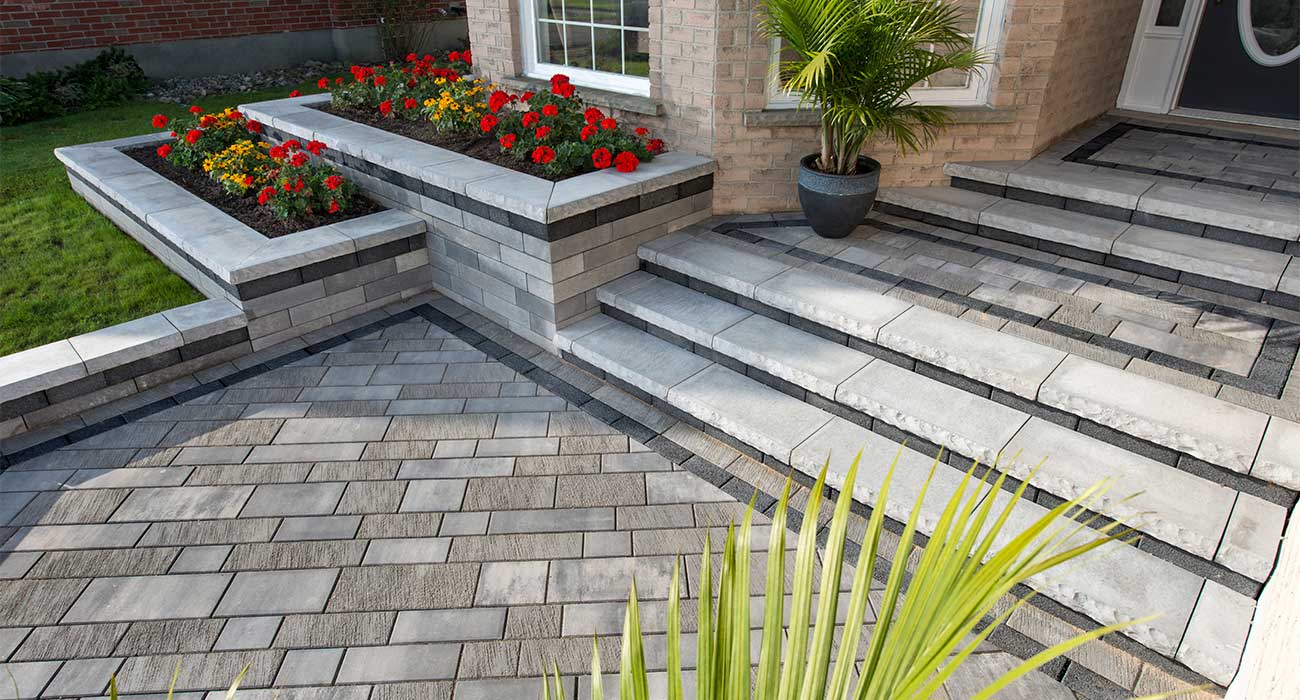
Edges matter just as much. Turf needs secure restraint where it meets pavers, concrete, decomposed granite, planter borders, or walls. Clean transitions make the design look intentional and prevent the perimeter from lifting or moving over time. Seams should be carefully joined and positioned so they are as discreet as possible from the main viewing areas.
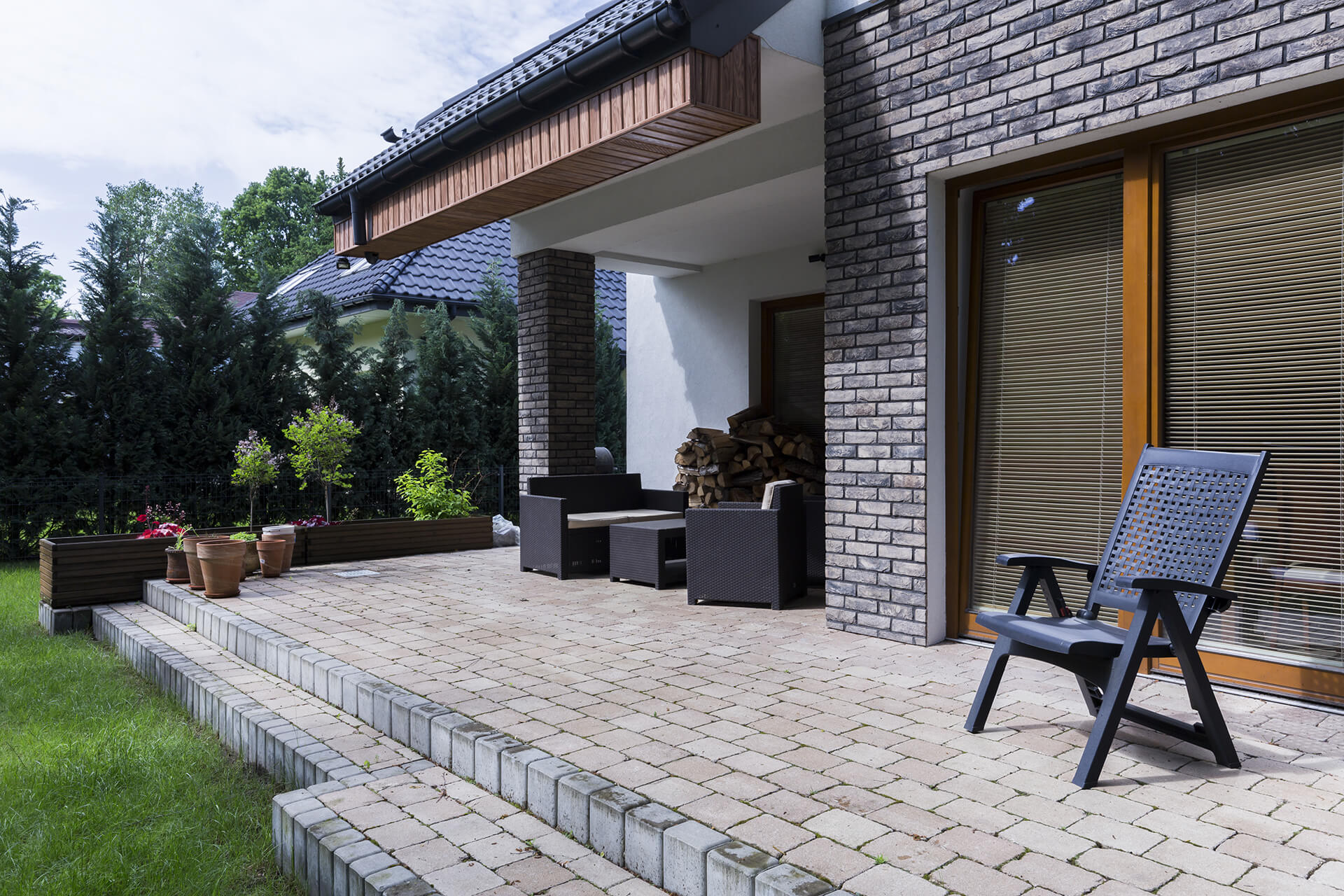
This preparation is particularly valuable around pools and patios. A backyard should feel connected, not like separate materials were added at random. When synthetic grass is designed alongside pavers, travertine, concrete, retaining walls, and pathways, each surface can serve a clear purpose while contributing to one finished outdoor space.
Choosing the Right Turf for Your Backyard
Not every artificial turf product is designed for the same job. A soft, dense turf that feels great under bare feet may be a strong choice for a poolside lounge area, while a more durable product may better suit a dog run or a yard where children practice and play every day. Color, blade shape, pile height, backing quality, and face weight all affect appearance and performance.
For Arizona homes, look beyond the first impression in a sample. Ask how the product handles high traffic, whether it has UV protection, how it drains, and what type of backing supports the blades. A realistic blend of green tones with a natural-looking thatch layer typically creates more depth than a flat, single-color product.
Heat is a real consideration. Synthetic grass can become warmer than natural grass in direct summer sun, especially during the hottest afternoon hours. Shade structures, trees, misting systems, and thoughtful placement can make a major difference. A quick rinse with water can cool the surface before children or pets use it, although that is not the same as regularly watering a living lawn.
The right choice depends on the space. If you want a low-maintenance accent beside a patio, appearance may lead the decision. If your dogs use the yard daily, drainage and odor control should lead. If the area is a play zone, cushioning and durability deserve more attention.
Smart Places to Use Synthetic Grass
A full backyard lawn is only one option. Some of the most striking Arizona designs use turf selectively, pairing it with hardscapes that handle traffic, furniture, and heat. This approach can reduce maintenance while giving the property more texture and usable space.
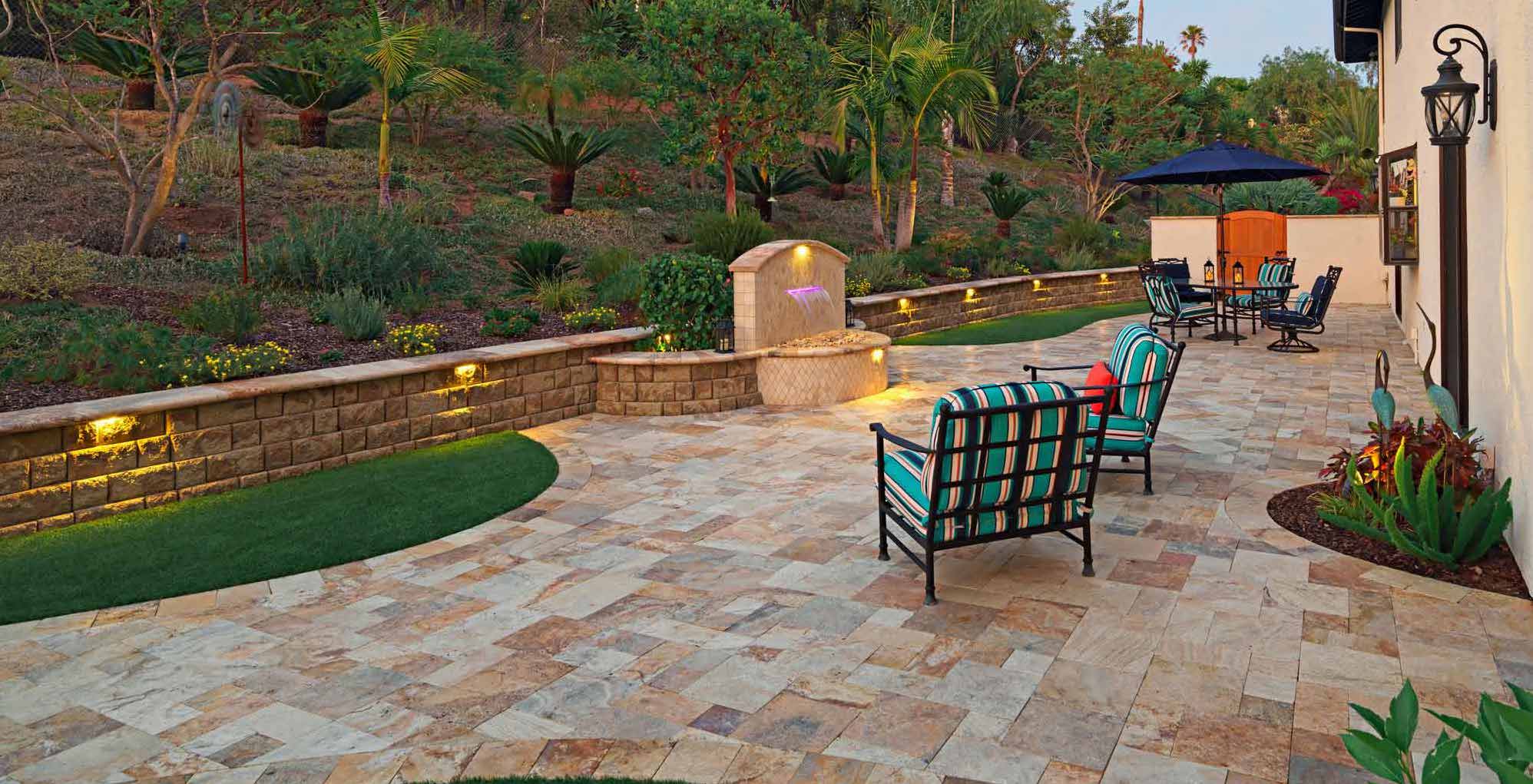
Synthetic grass can frame a paver patio and soften the look of an outdoor dining area. It can create green bands between oversized concrete or stone stepping pads, turning a side yard into a more inviting path. Around a pool, turf can provide a visually cool contrast to pavers or travertine, although a properly selected nonslip hardscape surface should still carry the areas with the most splash-zone traffic.
For dog owners, a designated turf run can be easier to clean than dirt or struggling natural grass. Pet-friendly installations need excellent drainage and should be designed for rinsing and routine odor management. For golfers, a custom putting green can turn an unused corner of the yard into a feature that gets real use rather than another area to maintain.
Maintenance Is Low, Not Zero
One of the strongest reasons homeowners choose artificial turf is the reduction in ongoing yard work. Still, synthetic grass performs best with basic care. Leaves, dust, and debris should be removed periodically, especially after monsoon winds. Brushing the blades against their natural lay helps restore a fuller appearance in frequently used areas.
Pet areas benefit from regular rinsing and prompt solid-waste removal. If odor develops, a turf-safe enzyme cleaner may be needed. Heavy furniture should be moved occasionally or supported appropriately to prevent permanent compression. These small habits keep the surface looking cleaner and help homeowners get the most from their installation.
It is also wise to keep grills, fire features, and extremely hot metal objects away from the turf. Synthetic fibers are durable, but they are not immune to heat damage. A well-designed backyard uses pavers, concrete, stone, or gravel around fire pits and cooking areas, reserving turf for the places where its comfort and color add the most value.
Build a Backyard That Looks Finished
Synthetic grass should make the rest of your property look better. When it is installed with thoughtful grade work, durable materials, clean borders, and hardscape features designed around your lifestyle, it becomes more than a lawn replacement. It becomes the green space that ties together your patio, pool area, walkways, and gathering spaces.
At Liberty Pavers, every project starts with the condition beneath the surface and the way your family plans to use the space. A clear design, fixed estimate, and workmanship-focused installation can turn an underused Arizona yard into a clean, inviting place to relax, host, and enjoy more often.