

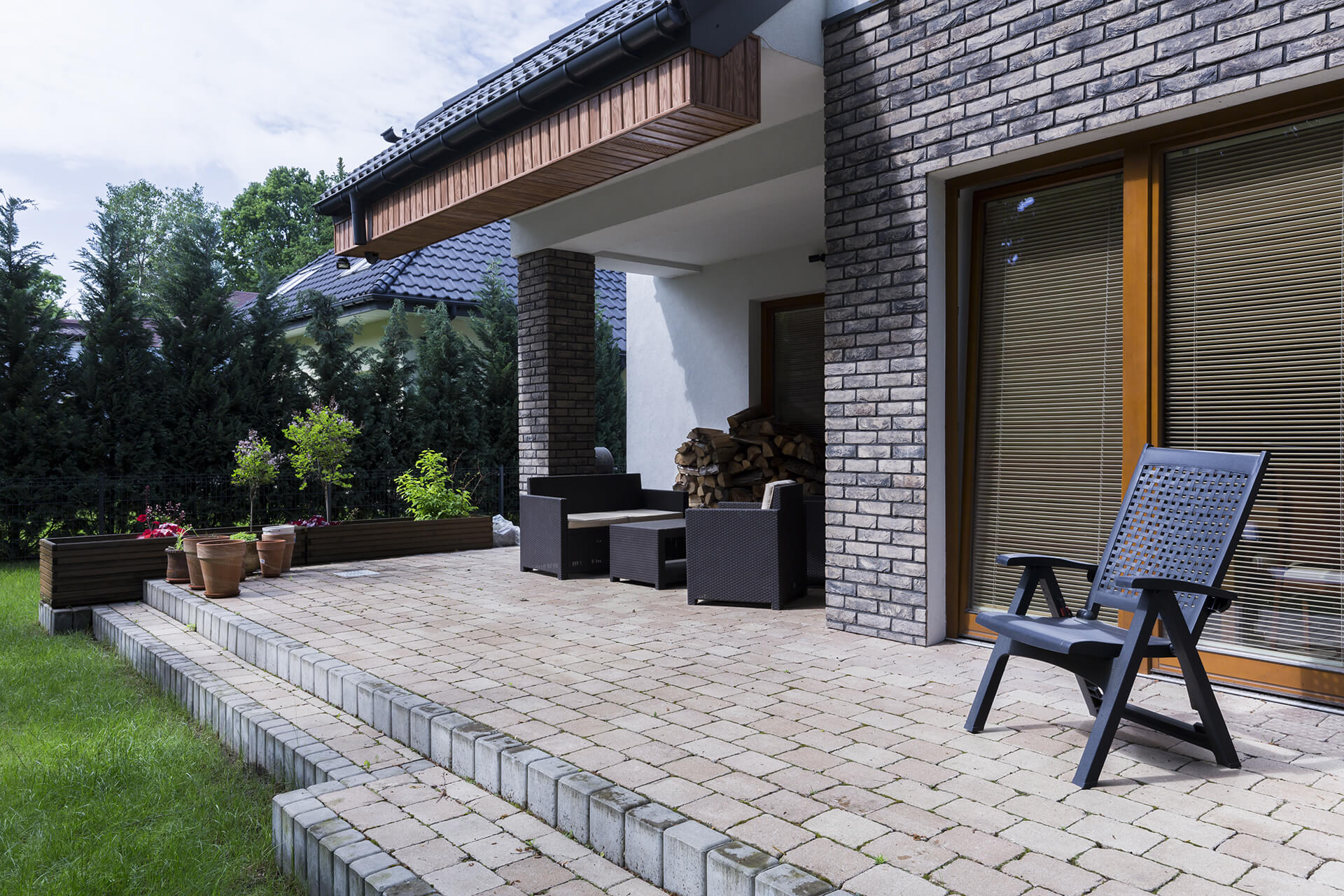
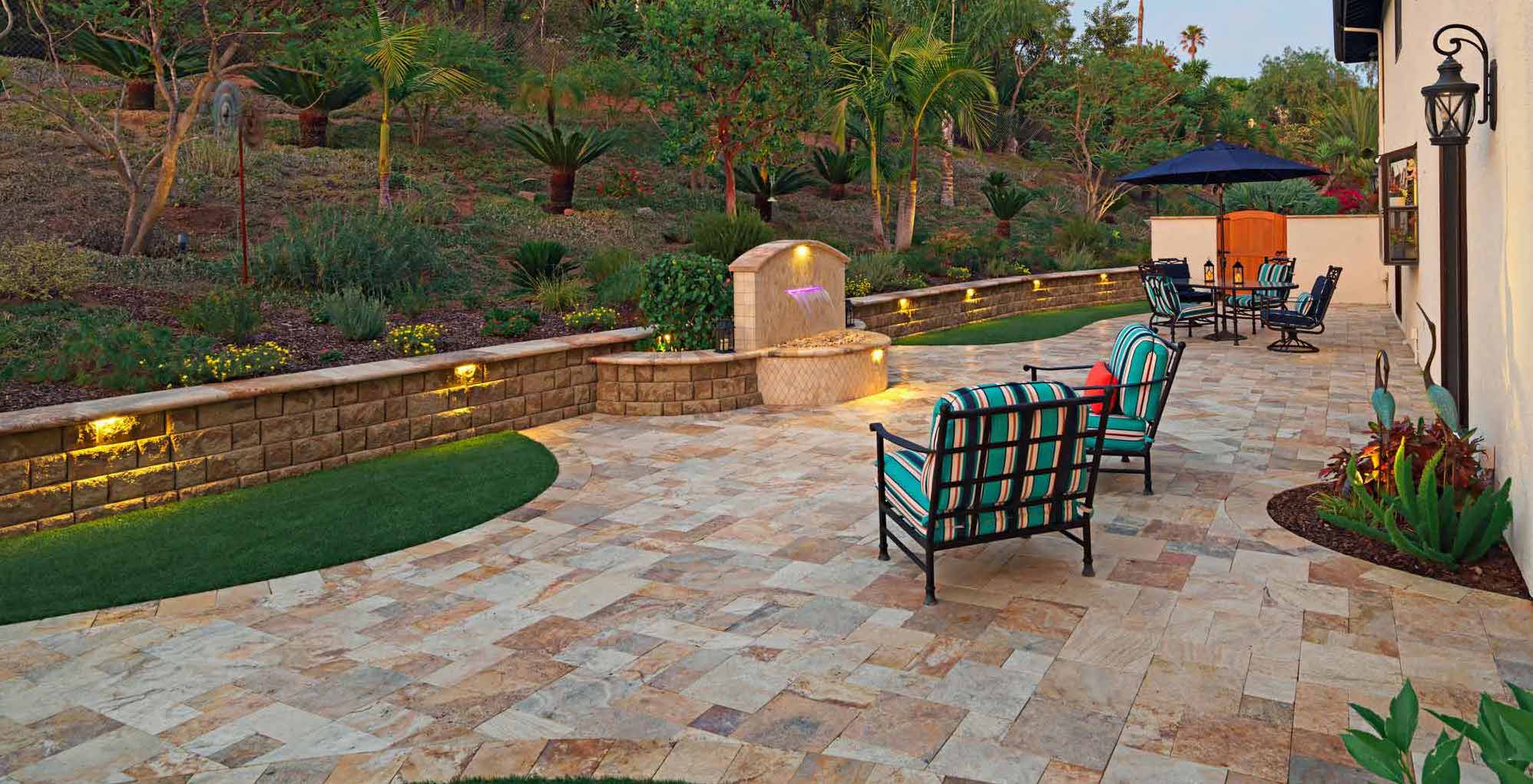
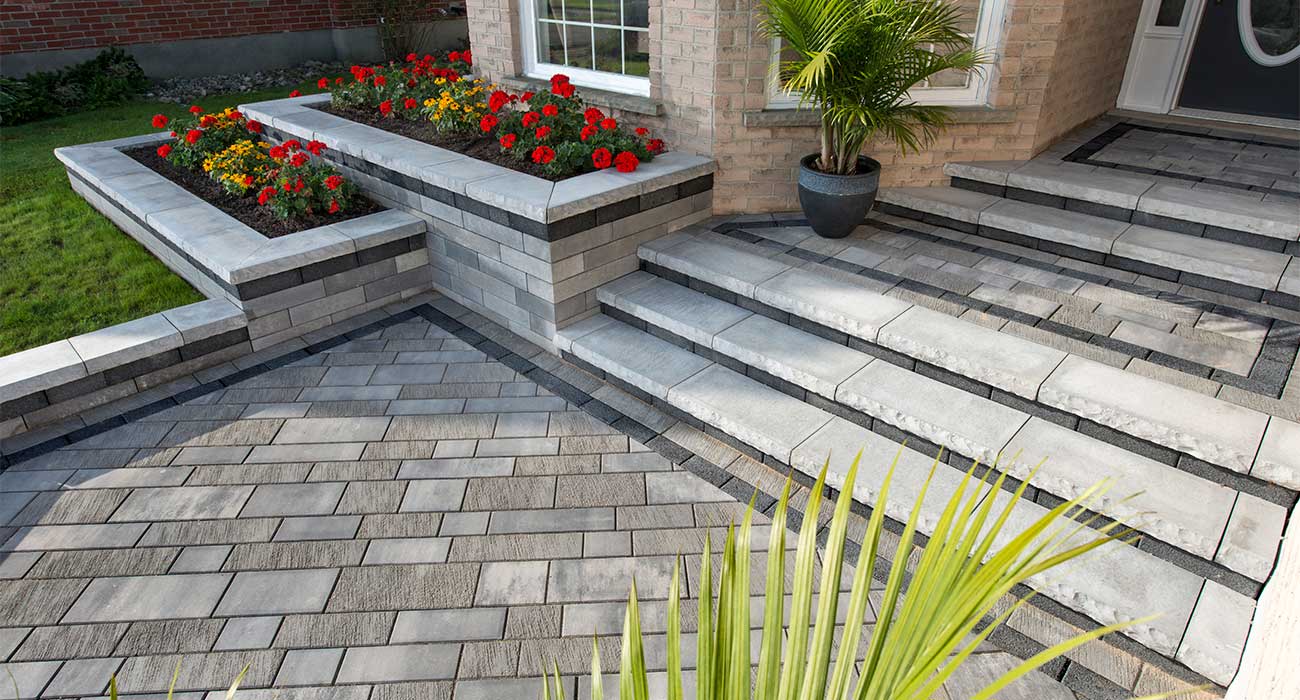
A beautiful patio can make a Phoenix backyard feel like the place everyone wants to be after sunset. But stone patio installation is not just about choosing an attractive color or laying pieces in a pattern. In Arizona, where intense sun, monsoon rain, dry soil, and active outdoor living all put pressure on exterior surfaces, the work beneath the stone determines whether the finished patio stays level, drains correctly, and looks impressive for years.
A patio should feel like a permanent extension of your home. It may hold a dining table, lounge furniture, a built-in fire pit, an outdoor kitchen, or the traffic that comes with family gatherings. That is why every detail matters, from the excavation depth to the edge restraint that keeps the surface locked in place.
What Makes Stone Patio Installation Last
The stone is what homeowners see first. The base is what protects their investment. A patio installed over uneven soil or a thin layer of sand may look good on day one, then begin to settle, shift, or collect water as the ground moves and weather takes its toll.
Professional stone patio installation starts by evaluating the site. We look at access, existing grades, drainage paths, nearby walls, pool areas, door thresholds, and the way you plan to use the space. A small sitting area under a covered patio has different needs than a large backyard entertainment space with a fire feature and outdoor grill.
The installation area is excavated to create room for a properly compacted aggregate base, bedding material, and the selected stone surface. The base is installed in controlled lifts and compacted thoroughly. This is where workmanship separates a patio built for the short term from one designed to handle Arizona conditions.
A stable base helps prevent low spots, loose stones, and uneven joints. It also creates a surface that can move naturally with the site without the widespread cracking often associated with basic poured concrete. Proper edge restraints and joint materials complete the system, holding each piece in position while allowing the patio to remain practical and serviceable over time.
Drainage Is Part of the Design
Arizona patios need to stand up to two extremes: long periods of heat and sudden, heavy monsoon storms. Water should never be an afterthought. Even a backyard that looks flat needs intentional slope so water moves away from the home, pool equipment, and other structures.
A well-planned patio uses subtle grading that does not feel noticeable underfoot. The goal is to direct water where it belongs without creating a surface that looks sloped or makes furniture sit awkwardly. Depending on the property, this may mean directing runoff toward a landscape area, drainage channel, or a carefully planned perimeter edge.
Drainage planning becomes even more important around pool decks, retaining walls, covered patios, and artificial turf. Water trapped at these transitions can cause staining, erosion, or settlement. A full-service contractor considers how each part of the backyard works together rather than treating the patio as an isolated rectangle of stone.
Choose Stone for the Way You Live Outside
There is no single best patio material for every Arizona home. The right choice depends on the style of the house, sun exposure, desired maintenance level, budget, and whether the surface will be used around a pool, fire pit, or outdoor kitchen.
Natural stone offers distinctive color variation and texture. Flagstone can create an organic, relaxed look that works beautifully with desert landscaping. Travertine is a popular choice for pool decks and patios because its light tones can stay more comfortable in direct sunlight than darker materials, and its natural texture provides useful traction. Brick can bring warmth and classic character, while concrete pavers offer extensive options in shape, pattern, and color.
Material selection should be honest about trade-offs. Highly textured stone can add grip and visual character, but it may be harder to sweep than a smoother surface. Light colors can help with heat, although they may show food spills or leaves more readily. Irregular natural stone creates a custom appearance, while modular pavers often provide more predictable joint spacing and easier future repairs.
The best choice is the one that fits your home and how your family uses the yard. A patio designed for quiet morning coffee may call for a different layout than one built around weekend parties, pool days, and large outdoor meals.
Size the Patio Before You Fall in Love With the Pattern
Homeowners often focus on the material first, but patio size and layout deserve equal attention. A patio that barely fits a table can quickly feel crowded once chairs are pulled out. A fire pit area needs safe circulation space. An outdoor kitchen should allow room for cooking, serving, and guests to move around without crossing directly behind the grill.
Before finalizing the design, think through real furniture dimensions and traffic paths. Consider where shade falls in the afternoon, where guests enter from the house, and whether the patio should connect to a pool deck, turf area, walkway, or garden feature. These decisions create a more useful outdoor space and prevent expensive changes later.
The Stone Patio Installation Process
A dependable patio installation should feel organized from the first site visit through final cleanup. The process begins with a clear conversation about your goals, budget, preferred materials, and property conditions. A fixed estimate should explain the scope of work so you know what is included before construction begins.
Once the plan is approved, the work generally follows a disciplined sequence:
- The crew marks the layout and confirms elevations, access points, and drainage direction.
- Existing dirt, damaged concrete, or old materials are removed, and the subgrade is shaped for support.
- Aggregate base material is installed and compacted in layers to create a stable foundation.
- Bedding material is leveled, then stone or pavers are placed in the selected pattern.
- Edges are secured, joints are finished, cuts are detailed, and the patio is cleaned for final inspection.
The exact method changes with the material. Large natural flagstone pieces require careful fitting and attention to joint spacing. Travertine needs precise layout and appropriate support at edges and transitions. Interlocking pavers rely on a tightly installed segmental system, where the base, bedding layer, edge restraint, and joint sand all work together.
Good installation is not rushed. Cutting around posts, drains, curved borders, step landings, or existing features takes patience. Those details are often what make a patio look custom instead of pieced together.
Avoid Shortcuts That Cost More Later
The lowest bid can be tempting, especially when several estimates appear to cover the same size patio. But two proposals may not include the same excavation, base depth, compaction process, drainage correction, or edge treatment. Those unseen differences can become very visible once settlement starts.
Watch for vague scopes, unclear material allowances, and contractors who cannot explain what will go below the finished surface. It is also wise to ask how they will manage water near the house and how transitions will be handled at doors, walkways, pools, and existing concrete.
A quality patio is not necessarily the most expensive option. It is the one built with the right materials and preparation for your specific site. Licensed, bonded, and insured professionals who stand behind their installation provide another layer of confidence when you are improving a major part of your property.
Keep Your Patio Looking Its Best
Stone patios are relatively low maintenance, but they are not maintenance-free. Routine sweeping removes abrasive sand, leaves, and debris. Cleaning spills promptly helps reduce the chance of staining, especially around grills and dining areas. During monsoon season, check that drains and landscape edges remain clear so water can move as intended.
Joint material may need periodic attention, particularly in high-traffic areas or after heavy weather. Individual pavers or stones can often be reset if a localized issue occurs, which is a practical advantage over repairing a cracked concrete slab. If sealing is appropriate for your chosen material, it should be selected carefully so it supports the desired appearance and slip resistance rather than creating an overly glossy finish.
A patio should not force you to stay inside when Arizona weather is at its best. Whether you picture a cool travertine pool deck, a rustic flagstone gathering area, or a clean-lined paver patio with a fire pit, start with a design that respects the ground beneath it. Liberty Pavers can help you turn that idea into a built outdoor space with clear pricing, thoughtful preparation, and craftsmanship made for Arizona living. Get a quotation and give your backyard a surface worth gathering on.