

The edge around your pool does more than frame the water. It is where bare feet land, where swimmers sit, where guests set down a drink, and where Arizona sun puts every material choice to the test. This pool coping guide explains how to choose an edge treatment that looks sharp, feels comfortable, drains correctly, and holds up through years of hot summers and active backyard use.
What Pool Coping Does for Your Pool
Pool coping is the cap or border installed along the top edge of a swimming pool. It creates the transition between the pool shell and the surrounding deck while protecting the bond beam beneath it. A properly selected and installed coping system also directs splashed water away from the pool structure, provides a finished visual line, and gives swimmers a secure place to enter, exit, or rest.
For many Arizona homeowners, coping is treated as an afterthought during a pool-deck renovation. That is a missed opportunity. The material, profile, color, and installation details can change how your entire backyard feels. A narrow, outdated concrete edge can make a refreshed paver deck still look unfinished. Coordinated stone or travertine coping can make the pool feel intentionally connected to the patio, fire pit, artificial turf, and entertaining areas around it.
Coping also has a practical role. It must tolerate pool chemicals, sun exposure, temperature swings, water, and frequent foot traffic. The right choice depends on your pool type, deck material, drainage plan, budget, and how your family actually uses the space.
Pool Coping Guide: Choosing the Right Material
There is no single best coping material for every backyard. Arizona homeowners should look beyond the initial price and weigh surface temperature, traction, maintenance, appearance, and repair options.
Travertine coping
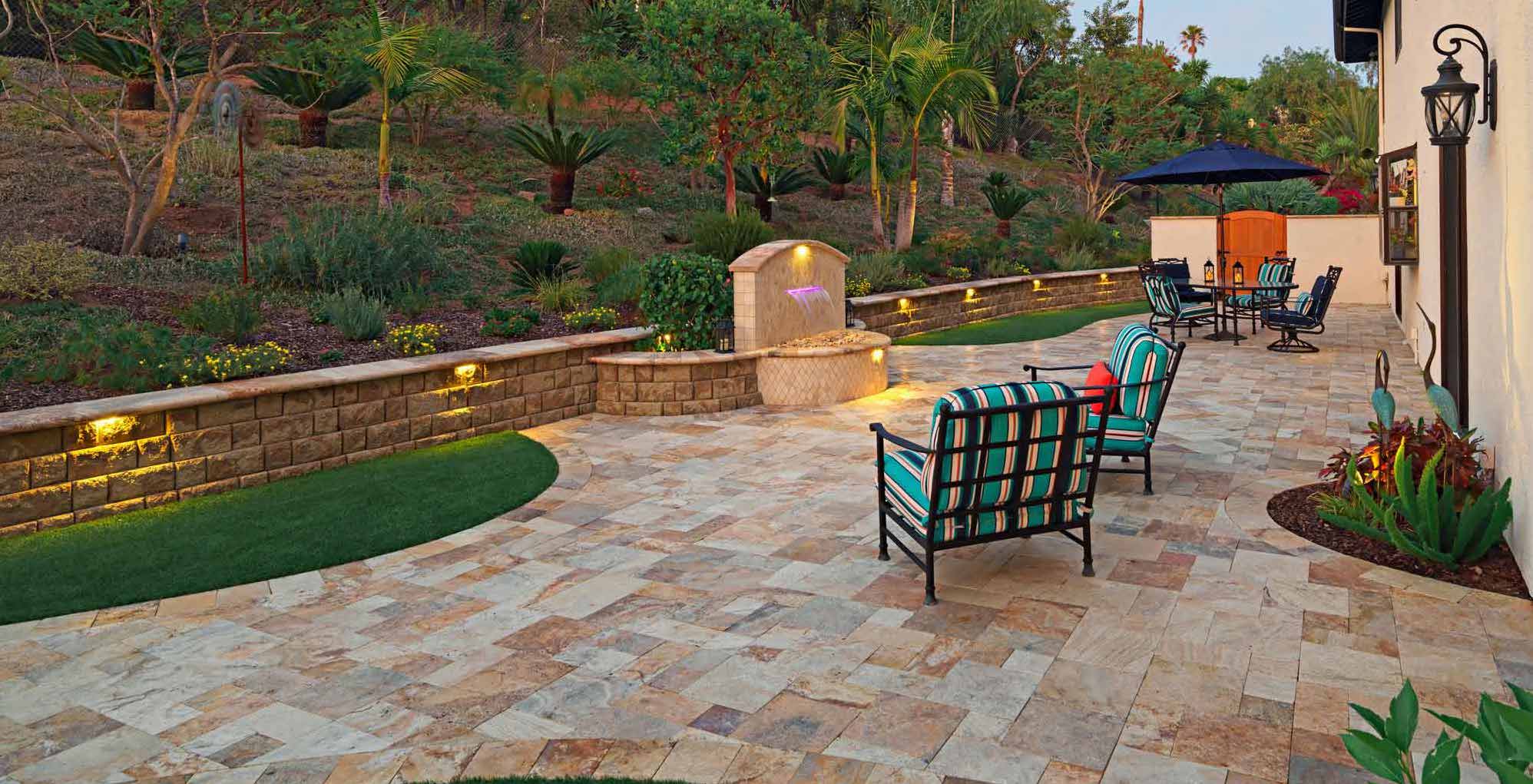
Travertine is a popular choice around Phoenix-area pools because its natural texture, light color range, and classic appearance work well with desert landscaping and outdoor living spaces. Quality travertine tends to stay more comfortable underfoot than many darker or denser surfaces, although any material can become hot during peak summer sun.
Its naturally porous structure can provide useful traction, especially when a tumbled finish is selected. Travertine coping pairs naturally with travertine pool decks, but it can also create a high-end border next to pavers or concrete. The trade-off is that natural stone needs thoughtful installation, appropriate sealing when recommended, and occasional attention to staining or mineral buildup.
Concrete coping
Precast or poured concrete coping is common, widely available, and can fit a range of budgets. It may be formed in straight runs, curves, and custom shapes, and it can be colored or textured to complement the deck.
The downside is that conventional concrete is susceptible to cracking as the ground moves or temperatures change. Repairs can be noticeable, particularly if the original color has faded. Smooth concrete can also become slick when wet, so texture and edge design matter. A quality installation includes proper expansion joints and drainage planning rather than simply placing concrete against the pool and hoping it performs.
Natural stone coping
Flagstone, limestone, sandstone, and other natural stones can give a pool a distinctive, custom-built appearance. Stone works especially well for homeowners creating a more organic backyard with boulders, water features, masonry walls, or a rustic fire feature.
Not every stone belongs at a pool edge. Some materials absorb more water, react poorly to chemical exposure, or become uncomfortably hot in direct sun. Color matters too. Dark stone may look dramatic, but it can be hard on bare feet in July. A contractor should help you evaluate the actual slab or sample in sunlight before making a final selection.
Brick and paver-style coping
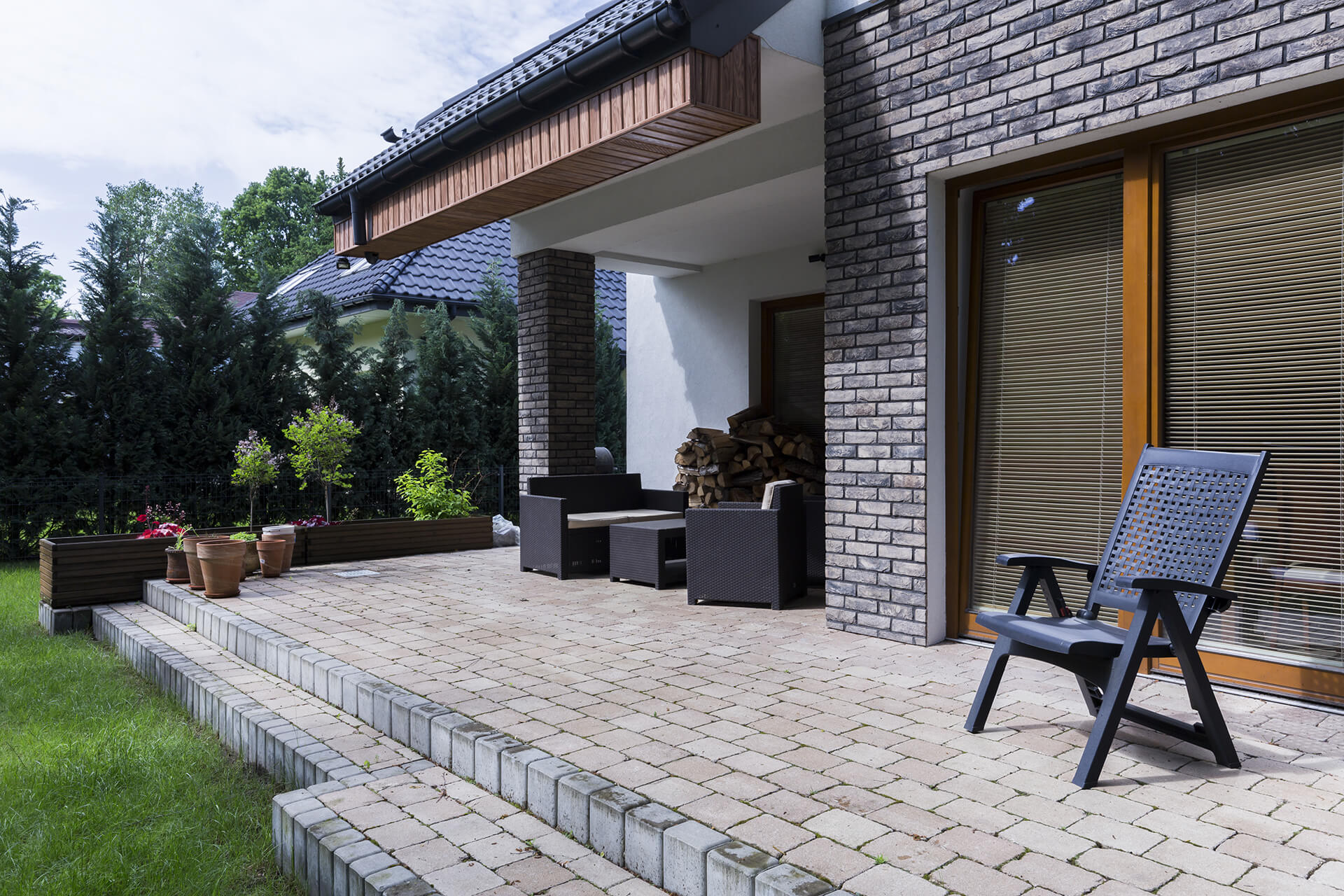
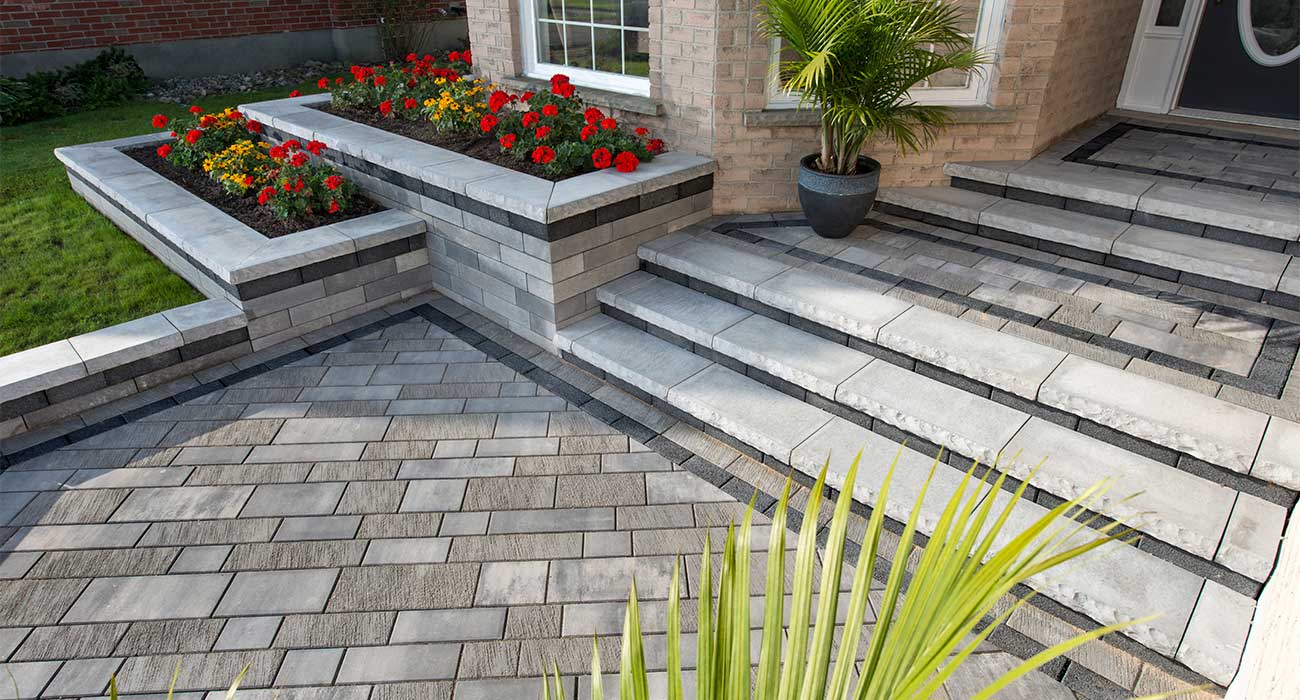
Brick coping brings a traditional, warm look and can coordinate well with brick patios or architectural features. Concrete paver systems can also create a clean, modular edge around some pool designs. These options offer flexible layout possibilities and can be easier to repair in sections than a monolithic poured edge.
The key is using products rated for the application and installing them with the correct restraint, joint treatment, and elevation. Standard patio pavers are not automatically a substitute for purpose-designed pool coping. The pool edge must be stable, safe, and correctly detailed around waterline tile and deck movement.
Select a Profile That Feels Safe and Looks Intentional
The coping profile is the shape of the exposed edge. It affects comfort, safety, and style as much as the material itself.
A bullnose profile has a rounded front edge and remains a favorite for family pools because it is comfortable to grip and softer against knees, elbows, and bare legs. It suits both traditional and relaxed backyard designs. Square-edge coping creates a more contemporary, architectural look, particularly alongside large-format pavers, linear fire features, and modern landscaping. It needs careful finishing because a sharp edge may not feel as forgiving around an active pool.
Cantilevered coping extends slightly over the pool wall, creating a distinct shadow line and a more substantial finished edge. Some homeowners prefer a drop-face or thicker-profile coping when they want the pool perimeter to stand out from the deck. The right profile comes down to your pool’s shape, the surrounding hardscape, and whether you want the coping to blend in or become a design feature.
Plan for Heat, Slip Resistance, and Drainage
Arizona pool projects have a different set of demands than projects in milder climates. A beautiful coping material that becomes scorching hot, slippery, or prone to standing water will quickly become a daily frustration.
Start with color and finish. Lighter shades generally reflect more sun than darker shades. Honed, tumbled, textured, or naturally cleft finishes can offer better footing than highly polished surfaces. That does not mean every rough material is automatically safer. Excessively uneven stone can create tripping points, and deep open pores may collect dirt. The goal is a surface with reliable grip and a comfortable walking feel.
Drainage is equally important. The pool deck should be graded so water moves away from the pool and away from the home. In some layouts, drainage channels or deck drains may be needed to manage splash-out, monsoon rain, and runoff from adjacent hardscape. Poor drainage can contribute to staining, shifting surfaces, erosion below the deck, and unwanted water near the foundation.
Expansion and movement joints deserve attention as well. Pool shells, concrete decks, pavers, and natural stone do not all move in the same way. Proper joints and flexible sealants help manage that movement. Skipping these details can lead to cracks, loose coping, and repairs that cost more than doing the work correctly at the start.
Match Coping to the Rest of the Backyard
The strongest pool designs do not treat the waterline as a separate project. They use the coping to connect the pool to the rest of the outdoor space.
If you are installing a paver pool deck, choose a coping color that either blends with the field pavers or provides a deliberate contrast. A matching border can make a smaller yard feel open and calm. A contrasting coping band can define the pool and add visual depth, especially around freeform pools.
Consider sightlines from inside the home as well. The coping is often one of the most visible pool details from kitchen windows, patio doors, and covered patios. It should complement the home’s exterior palette, not compete with it. In a contemporary home, a clean linear coping may fit best. In a Southwest or Mediterranean-style property, tumbled travertine or warm-toned stone can feel more natural.
For a complete backyard upgrade, coordinate coping with patio pavers, retaining walls, outdoor kitchens, fire pits, steps, and artificial turf borders. Liberty Pavers can help homeowners build that full material plan before installation begins, so the finished space feels designed rather than pieced together over time.
Installation Quality Is What Protects the Investment
Even premium coping can fail when it is installed over an unstable base or without enough attention to leveling, joints, and drainage. The visible edge gets the attention, but the work underneath determines whether it stays straight, secure, and attractive.
A professional installation begins with evaluating the pool perimeter, deck condition, elevations, drainage paths, and the material’s required setting method. The crew should prepare the surface, establish consistent lines, account for curves and corners, and use materials suited to the pool environment. If the project includes a new paver deck, base preparation and edge restraint are just as critical as the coping itself.
Ask for a clear scope of work before approving the project. You should understand what will happen to old coping, whether deck repairs are needed, how joints will be treated, where water will drain, and what warranty applies to the installation. A fixed, detailed estimate gives you a better basis for comparing proposals than a low starting number that leaves essential work undefined.
Care Tips for Long-Lasting Pool Coping
Pool coping does not need constant attention, but simple maintenance prevents small issues from becoming expensive ones. Rinse away chemical splash and sunscreen residue, especially on natural stone. Sweep grit from joints, clean spills promptly, and use cleaners that are appropriate for your specific material. Avoid harsh acids or pressure-washing methods that can damage stone, joint material, or surface finishes.
Check the perimeter periodically for loose pieces, cracked joints, settling, or sections that hold water. Early repair is usually straightforward. Waiting until a coping piece shifts significantly can allow water to reach areas where it does not belong.
Your pool should be a place to cool off, entertain, and enjoy Arizona evenings – not a source of hot surfaces, slippery edges, or recurring repairs. Choose materials with your climate and lifestyle in mind, insist on preparation beneath the finished surface, and get a clear quotation before the work begins.