

A Phoenix backyard can be beautiful at 8 a.m. and brutally hot by midafternoon. That is why choosing the best pavers for desert heat is about more than finding a color you like. Your material needs to handle intense sun, large temperature swings, pool water, monsoon runoff, vehicle weight, and the daily reality of bare feet crossing the patio.
The right paver system gives your home a finished, custom look while standing up to Arizona conditions year after year. The wrong selection – or a good material installed over a weak base – can lead to shifting, faded areas, uncomfortable surfaces, and repairs that cut into the value of your investment.
What Desert Heat Demands From a Paver
Arizona heat puts every exterior surface to work. Dark materials absorb more solar energy and can become uncomfortable quickly. Lighter colors generally reflect more heat, but color alone does not determine how a surface feels underfoot. Density, texture, installation exposure, and surrounding shade all matter.
Desert hardscapes also expand and contract through seasonal temperature changes. Unlike a single poured concrete slab, a properly installed segmental paver surface is made of individual units with jointing material between them. That flexibility is a major advantage. When the ground moves slightly or temperatures shift, the system can accommodate movement without turning one small issue into a long visible crack.
For pool decks and walkways, traction matters as much as temperature. A surface may look elegant in a showroom but become slick when splashed or difficult to walk on when it is too polished. For driveways, compressive strength and a properly engineered base become even more critical.
Best Pavers for Desert Heat: Top Material Choices
There is no single best material for every Arizona project. A driveway has different demands than a pool deck, and a shaded courtyard can support choices that would be less practical in full afternoon sun. These are the materials Liberty Pavers commonly considers when designing durable outdoor spaces.
Concrete pavers: the strongest all-around choice
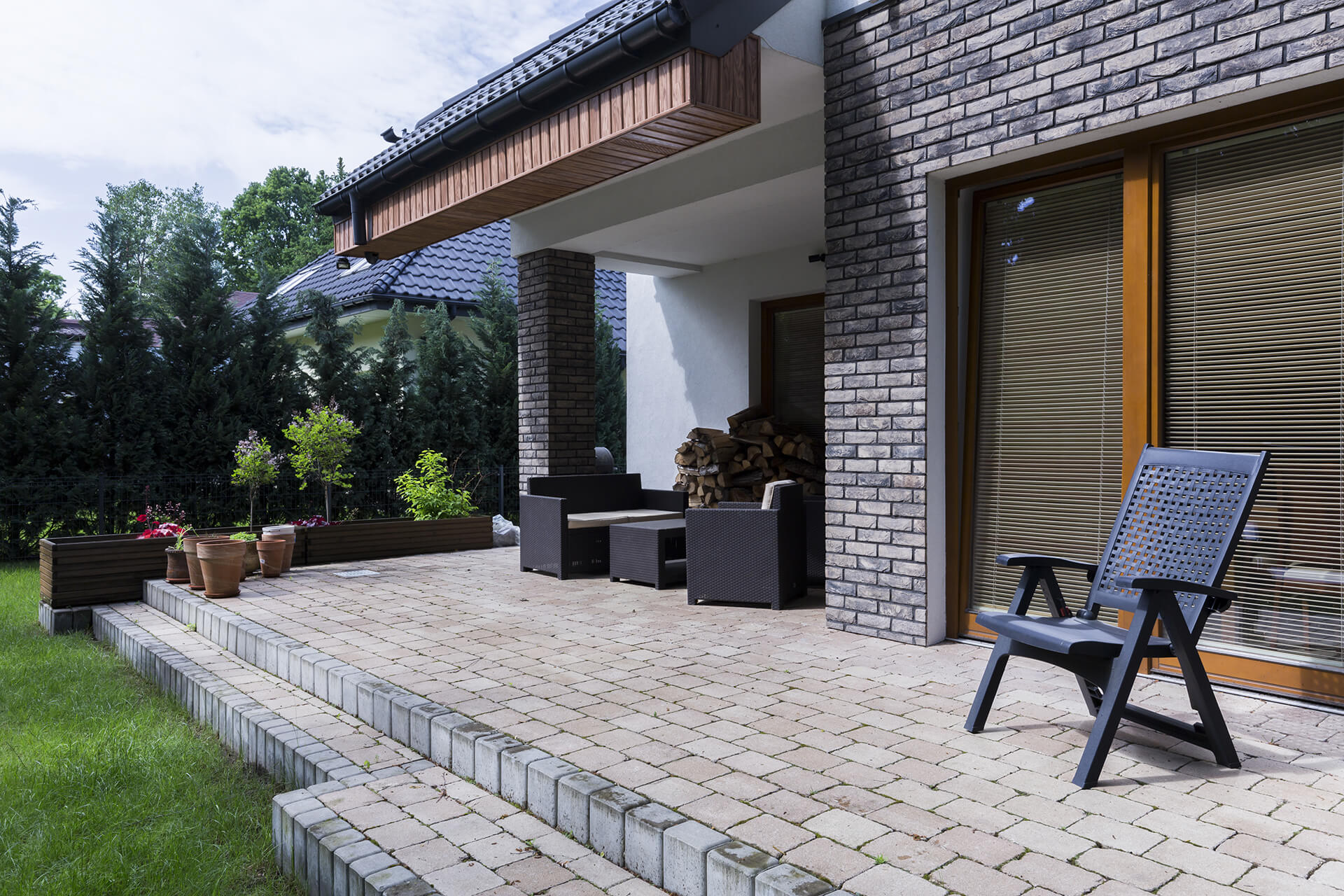
High-quality concrete pavers are often the most practical choice for Arizona patios, walkways, driveways, and complete backyard renovations. They are available in a wide range of shapes, textures, and blended colors, making it possible to create anything from a clean contemporary pool area to a warm Old World courtyard.
Their real value is in the system. Individual pavers can be lifted and reset if access to underground utilities is needed or if a localized area settles. That is a clear advantage over poured concrete, where repairs frequently leave a patch that never matches the original slab.
For desert heat, choose lighter earth tones, sand, cream, tan, soft gray, or blended colors rather than solid charcoal or black. Textured concrete pavers are especially well suited to pool decks and outdoor entertaining areas because they provide reliable grip. For driveways, thicker pavers paired with proper edge restraints and base preparation deliver the strength homeowners need.
Travertine: a premium pool-deck favorite
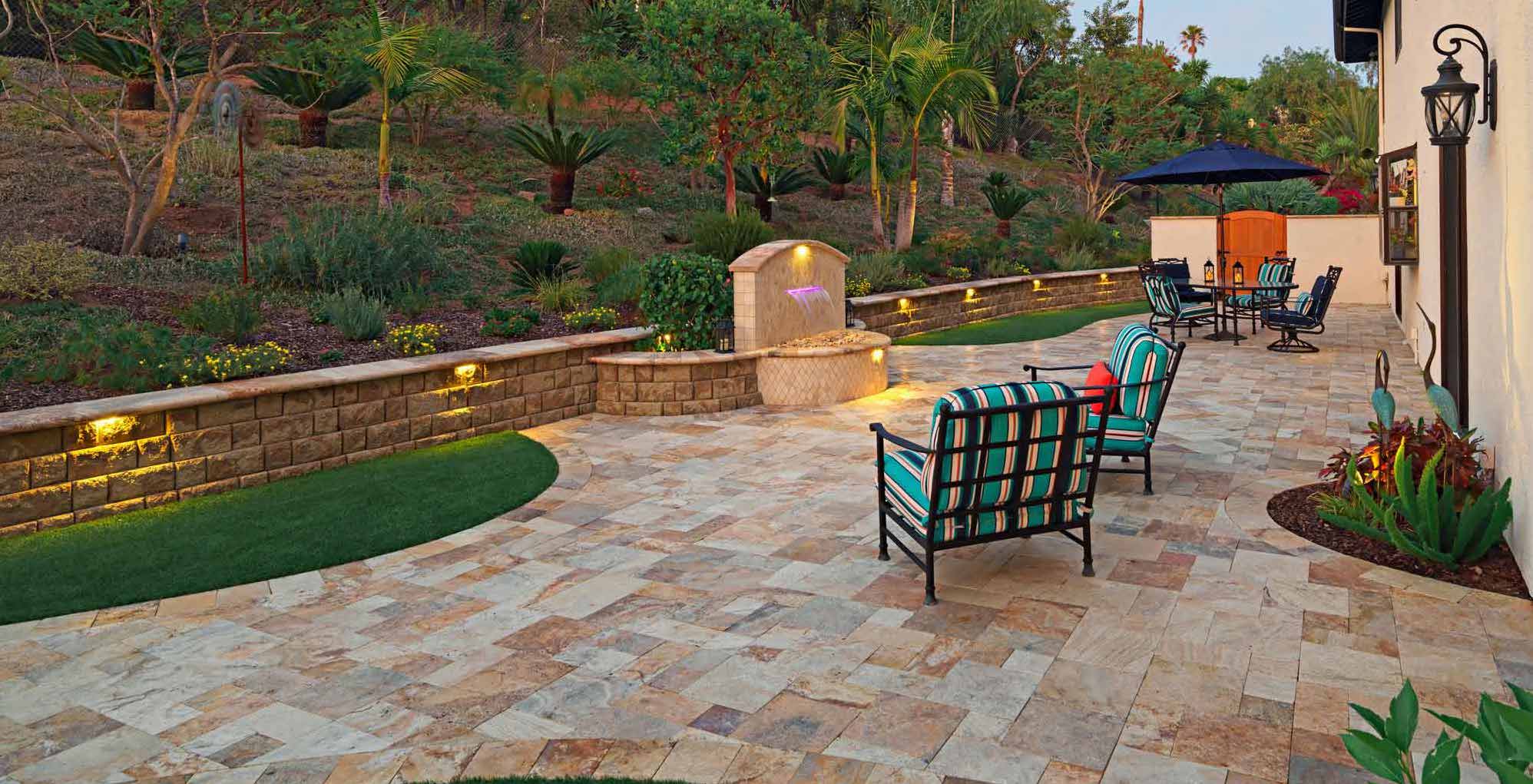
Travertine remains one of the most requested materials for Arizona pool decks, and for good reason. Its naturally light appearance can help create a more comfortable walking surface than many darker, denser materials in direct sun. It also brings a resort-style character that works beautifully with water features, artificial turf, fire pits, and desert landscaping.
Tumbled travertine has a naturally textured finish that provides good traction around a pool. Its variation in color and veining means the deck looks custom rather than flat or manufactured. It is an excellent option for homeowners who want their pool area to feel like a destination instead of an afterthought.
Travertine does require thoughtful material selection and installation. Because it is natural stone, it can vary from piece to piece, and some finishes are better suited to wet areas than others. Sealing can help manage staining, but the wrong sealer may alter the appearance or make maintenance more complicated. A professional installer can help you choose a finish, layout, and grout or joint approach that fits your specific space.
Natural stone: distinctive, durable, and project-specific
Flagstone, limestone, and other natural stone options can create a dramatic patio, garden path, or fireplace surround. Stone has visual depth that is hard to duplicate, particularly when a homeowner wants an organic landscape design instead of a uniform repeating pattern.
The trade-off is that not every stone is equally comfortable or equally suited to Arizona’s full sun. Some dense, dark stones hold heat aggressively. Irregular flagstone can also create more joints and varying elevations, which may not be ideal for every pool deck or accessibility-focused walkway. In the right location, however, natural stone delivers a one-of-a-kind look with long-term appeal.
Brick pavers: classic character with smart color choices
Brick pavers offer warmth, timeless style, and excellent durability for patios, walkways, and certain driveway designs. They fit especially well with traditional homes, courtyard entries, and spaces that need a more established architectural feel.
The caution in desert settings is color. Deep red, brown, and near-black brick can become very hot in open exposure. Lighter or variegated brick blends can reduce that effect while preserving the classic look. Brick is also a strong candidate for shaded patios, covered outdoor kitchens, and accent borders around a larger paver field.
Match the Paver to the Space You Use Most
A material should be selected for how you live outside, not only for how it looks in a sample board. For a pool deck, light-colored textured concrete pavers or tumbled travertine are often the leading choices because they balance appearance, traction, and barefoot comfort. Add shade structures where possible, since even heat-conscious materials will warm up under a cloudless Arizona sky.
For a driveway, concrete pavers are usually the most dependable choice. Their strength, interlocking pattern, and serviceability make them a smart alternative to basic poured concrete. A driveway should never be treated like a patio with cars parked on it. The base depth, compaction, paver thickness, edge restraints, and drainage plan must be designed for vehicle loads.
For patios, fire-pit areas, and backyard gathering spaces, homeowners have more design freedom. Concrete pavers offer the widest range of patterns and price points. Travertine creates a refined outdoor-living atmosphere. Natural stone adds character, particularly as a border, seating-wall cap, or focal feature.
The Installation Beneath the Pavers Matters Most
Even the best pavers for desert heat will not perform as intended if the ground below them is poorly prepared. Arizona soils can be challenging, and monsoon storms can expose every shortcut in grading, compaction, and drainage.
A lasting installation begins with excavation to the correct depth, followed by a properly compacted aggregate base. The finished surface must be graded to direct water away from the home while avoiding awkward slopes in walking and pool areas. Bedding sand, precision leveling, secure edge restraints, and properly installed joint sand all help the pavers act as one interlocking surface.
This is where a workmanship-first contractor protects your investment. At Liberty Pavers, the visible surface is only part of the job. The preparation below it determines whether a patio stays smooth, a driveway remains stable, and your outdoor space continues to look finished after years of sun and seasonal rain.
Color, Pattern, and Shade Make a Real Difference
Light colors are the starting point for a cooler-looking and more comfortable hardscape, but they are not the only tool. Large areas of one pale paver can show dirt or tire marks more readily, especially on a driveway. Blended tones often provide a practical middle ground by reflecting more heat than dark pavers while disguising everyday dust and debris.
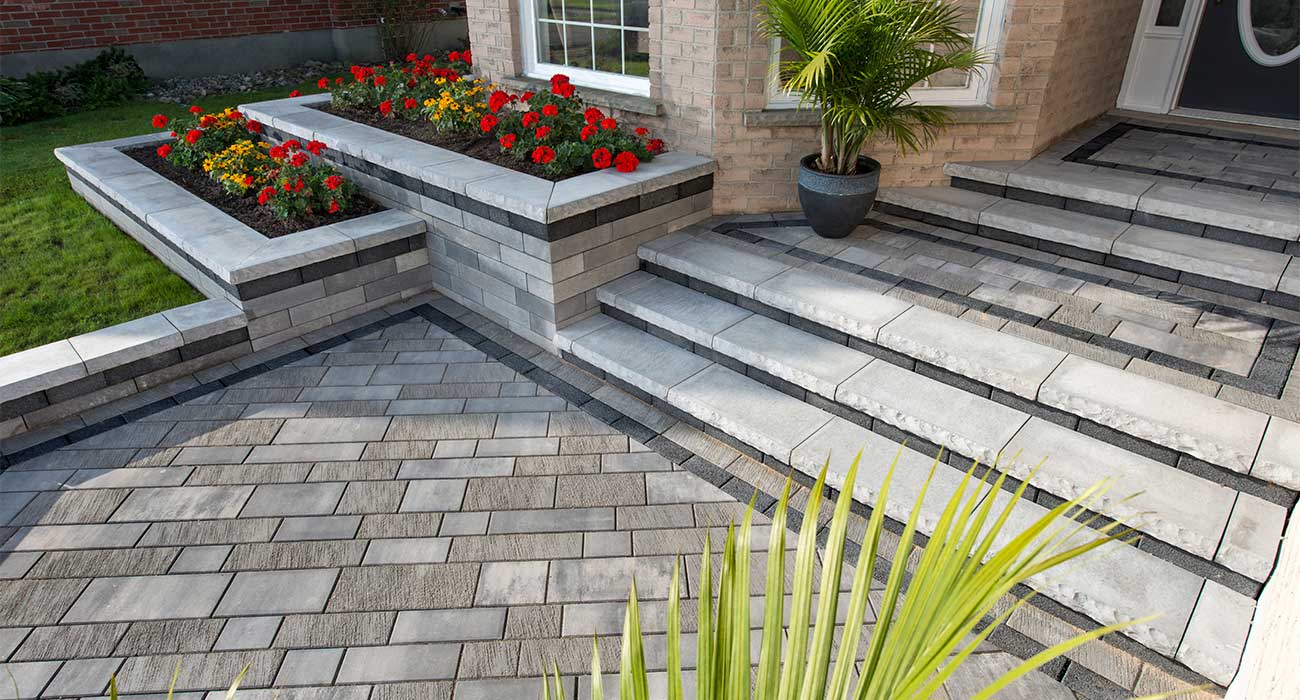
Pattern also affects the finished look. Larger-format pavers can make a compact patio feel more open, while smaller units and borders add detail to entries and curved pathways. For driveways, an interlocking pattern selected for vehicle traffic adds visual interest while supporting the performance of the surface.
Shade is the most effective way to improve comfort during peak summer hours. Pergolas, patio covers, mature landscaping, and carefully placed umbrellas can make a major difference without sacrificing the open-air feel Arizona homeowners enjoy for much of the year.
Keep Your Arizona Pavers Looking Their Best
Pavers are low maintenance, not no maintenance. Sweep away leaves and debris, rinse dust as needed, and address spills before they set. Pool areas benefit from periodic cleaning to remove sunscreen residue, mineral deposits, and windblown dirt.
Joint sand may need occasional attention over time, particularly after heavy rain or active use. Sealing can be appropriate for certain concrete pavers and natural stone surfaces, but it should be chosen based on the material and desired finish. A glossy sealer is not automatically better, especially near water where traction is a priority.
The best outdoor surface is the one that fits your home, your budget, and the way your family uses the yard. Start with a material that can take the heat, then insist on the base preparation and drainage details that give it a long life. A clear, fixed estimate from an experienced Arizona paver contractor can turn that first idea into an outdoor space you will be proud to use long after summer arrives.