

A backyard should not sit unused the moment the desert evening turns cool. Outdoor fireplaces give Phoenix-area homeowners a natural place to gather after dinner, host friends during patio season, or add a striking focal point beside a pool deck, paver patio, or artificial turf lawn. The right fireplace feels like part of the home, not an oversized feature dropped into the corner of the yard.
That result starts long before the first stone is set. In Arizona, a fireplace must look great in strong sunlight, handle intense temperature swings, fit the way your family entertains, and rest on a foundation built for the weight above it. Design matters, but preparation underneath the finished materials is what protects the investment.
What Makes Outdoor Fireplaces Worth the Space
A fireplace brings structure to an open backyard. It creates a destination, giving a large patio or pool area a defined gathering zone without closing off the view. Unlike a portable fire feature, a custom masonry fireplace has visual presence all day long, even when it is not lit.
For homeowners who entertain, the practical value is easy to see. Guests naturally gather near the fire, and the seating area feels purposeful rather than temporary. For quieter households, it can turn a basic patio into a place for coffee on a winter morning or a relaxed evening outside.
The trade-off is footprint. A full fireplace needs more room than a fire pit, especially once you allow for seating, walkways, and safe clearance around the structure. If your patio is compact, a low-profile fire feature may provide more usable space. But when the yard has room, a fireplace can become the architectural anchor that ties together a patio, retaining wall, outdoor kitchen, and pool deck.
Start With Placement, Not Just Appearance
The best location is rarely chosen by appearance alone. Before selecting stone color or mantel style, consider how the fireplace will work with the entire yard. It should support traffic flow instead of forcing people to walk around it, block access to the pool, or interrupt the path between the home and outdoor dining area.
Wind direction is particularly relevant in Arizona. A wood-burning fireplace placed where smoke regularly blows toward doors, windows, or seating will be frustrating to use. A gas fireplace avoids much of that smoke concern, but placement still affects warmth, views, and the overall layout.
Set the fireplace where it can be appreciated from key areas of the property. It may frame the view from a covered patio, create a backdrop for a seating wall, or sit at the far edge of a paver patio to draw people into the yard. Avoid crowding it into an unused corner simply because there is open space there. A custom feature should make the backyard function better.
Plan for Clearances and Local Requirements
Every property is different, and fireplace placement must account for nearby structures, rooflines, trees, property lines, utility connections, and fire-safety requirements. Gas lines and electrical components should be planned correctly from the beginning, not added as an afterthought once masonry is complete.
Depending on the project and municipality, permits or inspections may be required. A professional contractor can help coordinate a design that respects applicable local requirements while fitting the homeowner’s goals. This is especially valuable when the fireplace is part of a larger backyard renovation with new hardscaping, drainage adjustments, lighting, or a built-in grill.
Choose the Right Fuel for Your Lifestyle
Wood-burning and gas fireplaces create very different experiences. Neither is automatically better. The right choice depends on what you value most.
A wood-burning fireplace delivers the classic crackle, aroma, and hands-on ritual many homeowners want. It is ideal for people who enjoy building a fire and want a traditional outdoor-hearth look. It also requires wood storage, ash cleanup, and more attention to smoke and local burn restrictions.
Gas offers immediate ignition, clean operation, and simple control. It is a strong option for homeowners who want warmth and atmosphere without hauling firewood or cleaning up afterward. Gas fireplaces can also be used more spontaneously, which often means the feature gets enjoyed more often. The initial project must include properly designed gas service, and that work should be handled by qualified professionals.
For many Arizona backyards, gas is the practical choice. For homeowners who want a true wood-fire experience, a masonry wood-burning fireplace can be worth the additional planning and maintenance.
Materials That Hold Up in Arizona Heat
The visible finish should complement the home, but performance deserves equal attention. Natural stone, manufactured stone veneer, brick, stucco, concrete, and pavers can all be used effectively when selected and installed for the application.
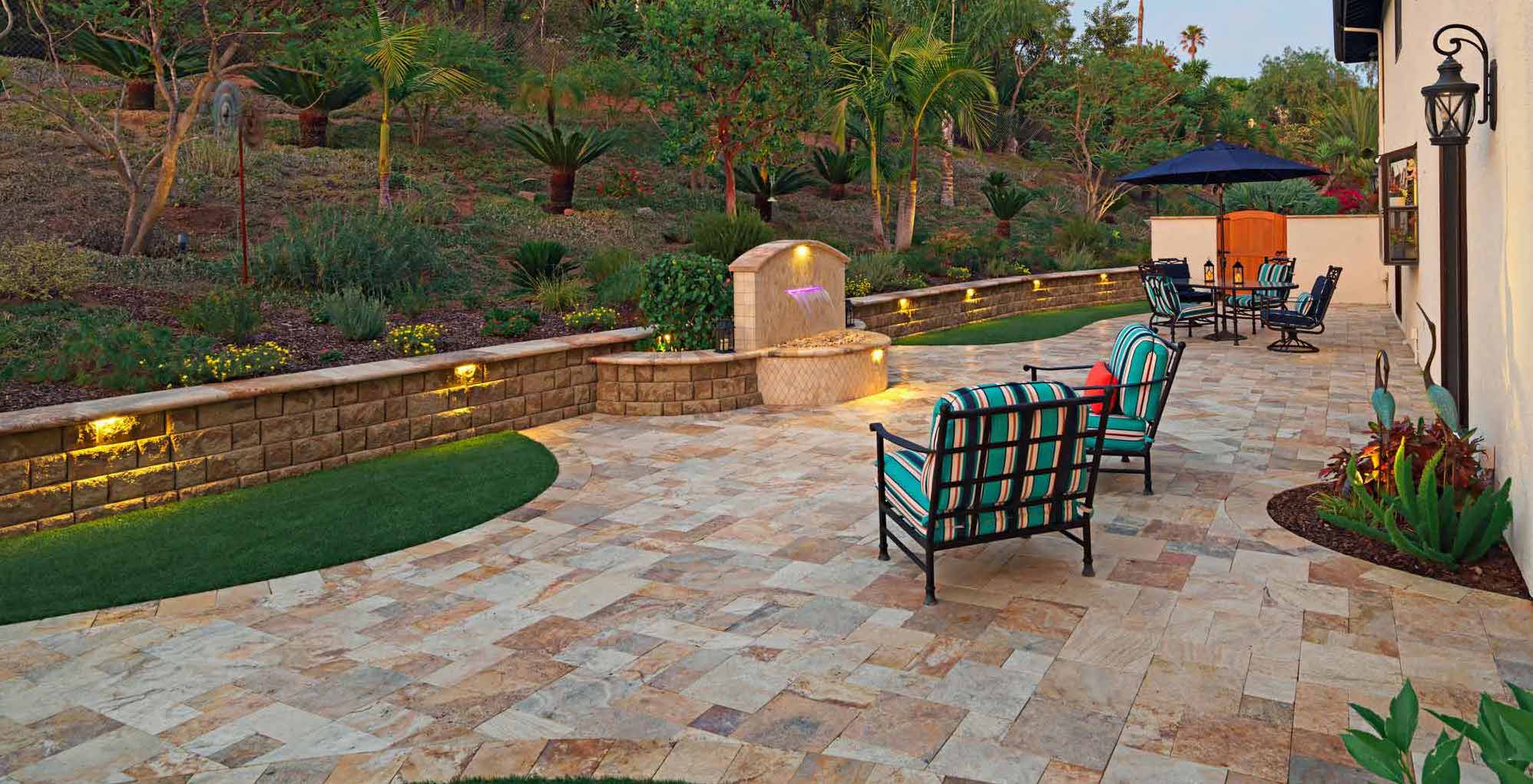
Stone provides texture and a high-end, timeless appearance. It pairs especially well with travertine patios, desert landscaping, and homes with warm exterior tones. Brick brings a more traditional character and can work beautifully in courtyards or homes with Southwestern details. Stucco creates a clean, cohesive look when matched to the house exterior, while concrete elements can support a more contemporary design.
Color selection matters under Arizona sun. Very dark finishes can become extremely hot during the day, while lighter materials may show soot more readily on a wood-burning unit. A balanced palette with warm neutrals, natural variation, and durable capstones often gives homeowners the best long-term result.
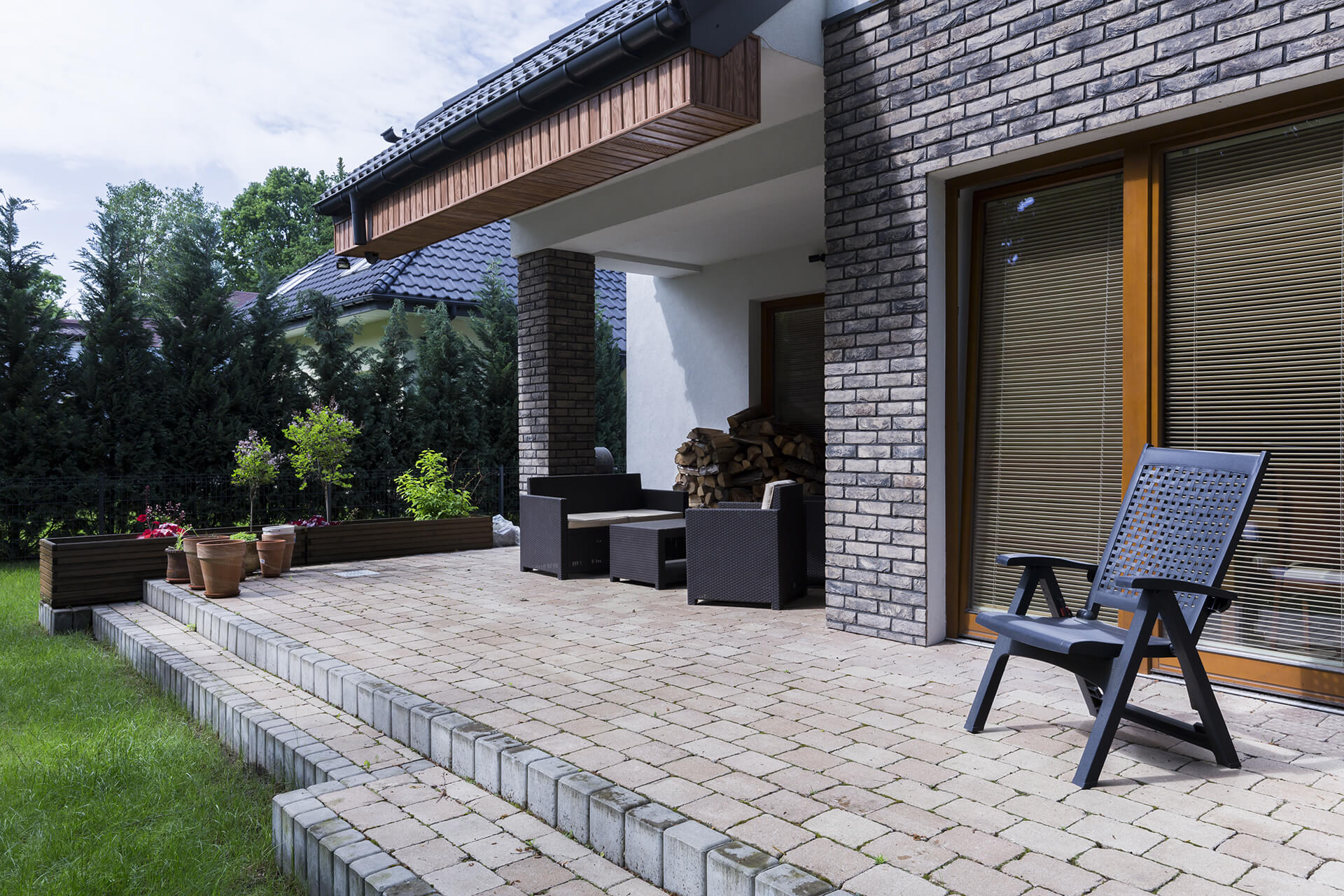
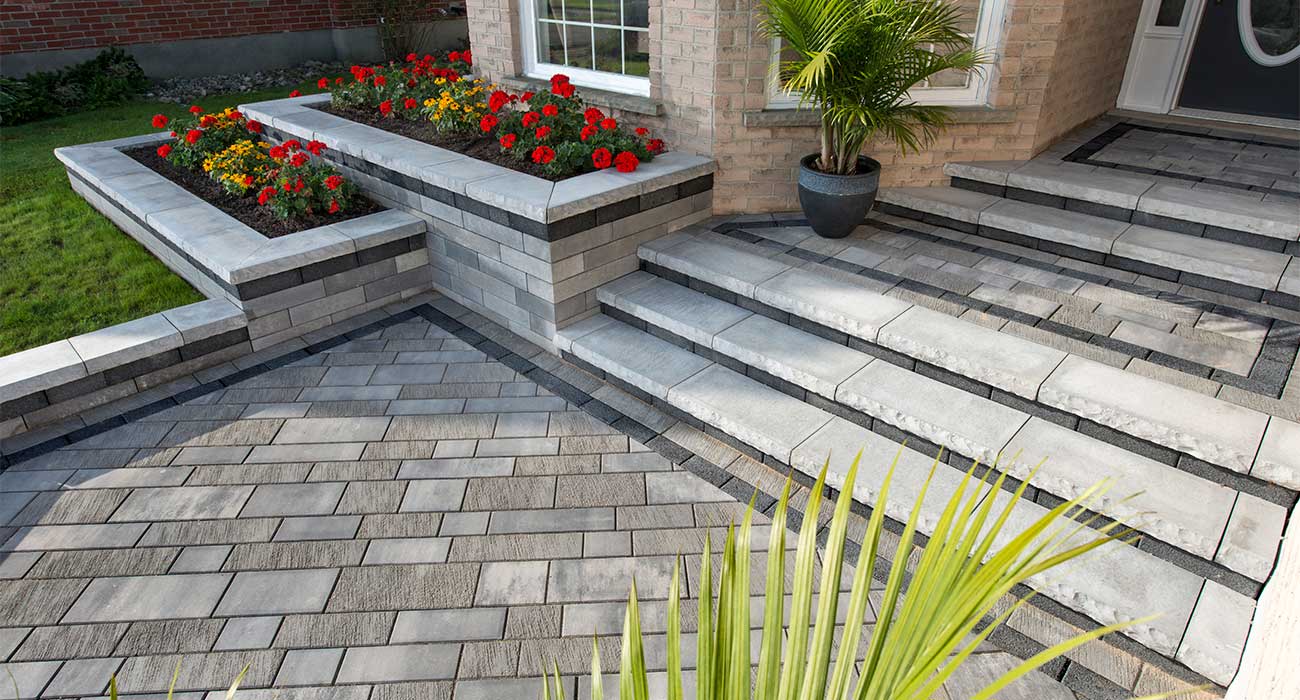
The fireplace should also relate to the surrounding hardscape. Repeating a paver accent color in the hearth, matching a retaining-wall cap, or using complementary stone around a nearby outdoor kitchen can make the entire yard feel intentionally designed. Random material changes are one of the fastest ways to make an expensive backyard project look pieced together.
The Foundation Beneath the Fireplace Is the Real Investment
A fireplace is heavy. Stone veneer, block construction, a chimney, hearth materials, and a mantel create a load that cannot be treated like a lightweight landscape accessory. The base must be prepared to support the structure and resist movement over time.
This is where workmanship matters most. A proper installation considers excavation, compaction, base material, drainage, reinforcement where needed, and the relationship between the fireplace foundation and surrounding pavers or concrete. Skipping those details can lead to settling, cracking, uneven joints, or a fireplace that no longer aligns cleanly with the patio.
Arizona soil conditions vary from one neighborhood to the next. A new-build lot in Queen Creek may present different challenges than an established property in Scottsdale or a sloped backyard in Peoria. There is no one-size-fits-all base depth or preparation method. A site evaluation should guide the construction plan.
At Liberty Pavers, the goal is not to cover problems with attractive finishes. It is to build the patio, base, and surrounding features correctly so the finished space keeps its appearance and function for years.
Build a Seating Area People Will Actually Use
A fireplace alone does not create an outdoor room. The surrounding space determines whether people can relax there comfortably. Plan seating before finalizing the fireplace size. Homeowners often choose a dramatic fireplace and later realize there is little room left for chairs, side tables, or an easy walkway.
For a conversational layout, allow enough open area for seating to face the fire without placing chairs too close to the heat. Built-in seat walls can define the area, add permanent seating, and coordinate with retaining walls or raised planters. Freestanding lounge furniture offers more flexibility and can soften a formal masonry design.
Lighting also changes how the fireplace area performs after sunset. Low-voltage path lights, step lights, or subtle landscape lighting can make the space safer without competing with the fire itself. If the fireplace sits near a pool, nonslip pavers and clearly defined walking paths become even more important.
Make the Fireplace Part of a Complete Backyard Plan
The most impressive outdoor fireplaces do not compete with the rest of the yard. They work with it. A fireplace might extend a paver patio, create a lounge zone beside artificial turf, add balance to a pool deck, or connect visually with a covered patio and outdoor kitchen.
Consider what happens around the feature in every season. Shade structures may be more valuable than extra seating during summer afternoons. Drainage should move water away from the fireplace and patio. Materials should be selected for easy cleaning and realistic maintenance, especially near pools, grills, and desert landscaping.
A custom fireplace is a long-term feature, so it pays to plan beyond the first photo. Choose a scale that fits the property, materials that match the home, and a construction team that treats site preparation as seriously as the finished stonework. When you are ready to make your backyard a place people look forward to using, get a clear quotation and design the fire feature around the life you want to live outside.