

A Phoenix patio can look beautiful at 9 a.m. and feel impossible to cross barefoot by midafternoon. That is why heat resistant pavers are a serious consideration for Arizona homeowners planning a pool deck, courtyard, walkway, driveway, or outdoor entertaining area. The right surface will not make a July afternoon cool, but it can reduce heat buildup, improve comfort, and give your landscape a finished look built for daily use.
The key is choosing more than a light-colored paver. Material, finish, color, installation method, shade, and the area around the surface all affect how hot it feels underfoot. A well-designed paver system accounts for every one of those details.
What Makes Pavers More Heat Resistant?
Pavers absorb solar energy, then release that heat slowly. Dark, dense materials tend to absorb more heat than pale, reflective surfaces. In Arizona, where direct sun is intense for much of the year, that difference becomes obvious around pools and patio doors.
Heat resistance does not mean a paver stays cold in full sun. No outdoor hardscape material can promise that. Instead, it means selecting a surface that reflects more sunlight, retains less heat than darker alternatives, and remains practical for the way your family uses the space.
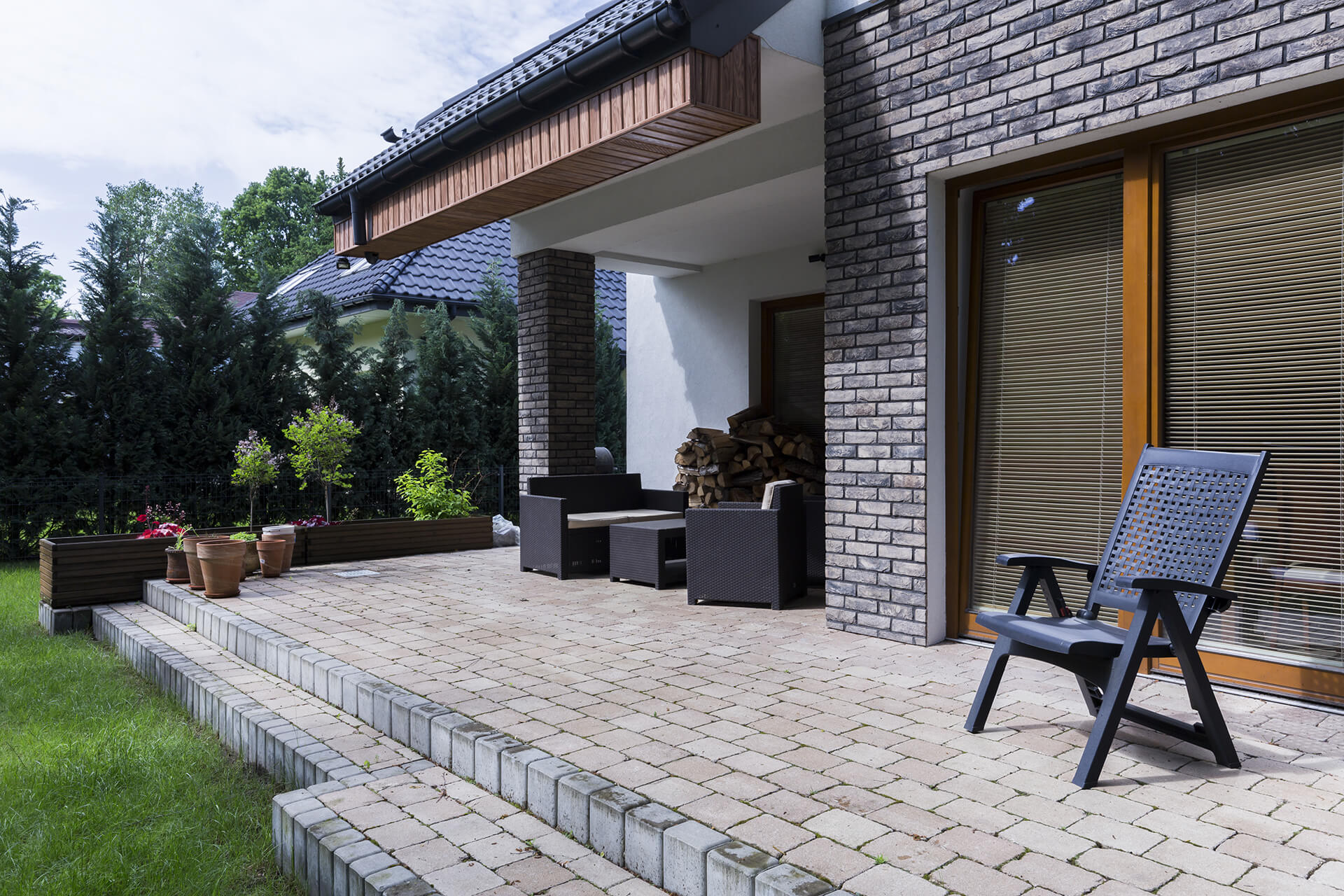
Lighter colors are usually the first and most effective choice. Sand, cream, light gray, ivory, buff, and soft tan tones generally stay more comfortable than charcoal, espresso, deep red, or black pavers. Color blends can work well too, as long as the overall blend leans light rather than dark.
Texture also plays a role. A tumbled, textured, or lightly textured surface can break up glare and provide better traction near water. The goal is not to choose the roughest surface available. It is to balance barefoot comfort, slip resistance, cleaning needs, and the style of your home.
Best Heat Resistant Pavers for Pool Decks and Patios
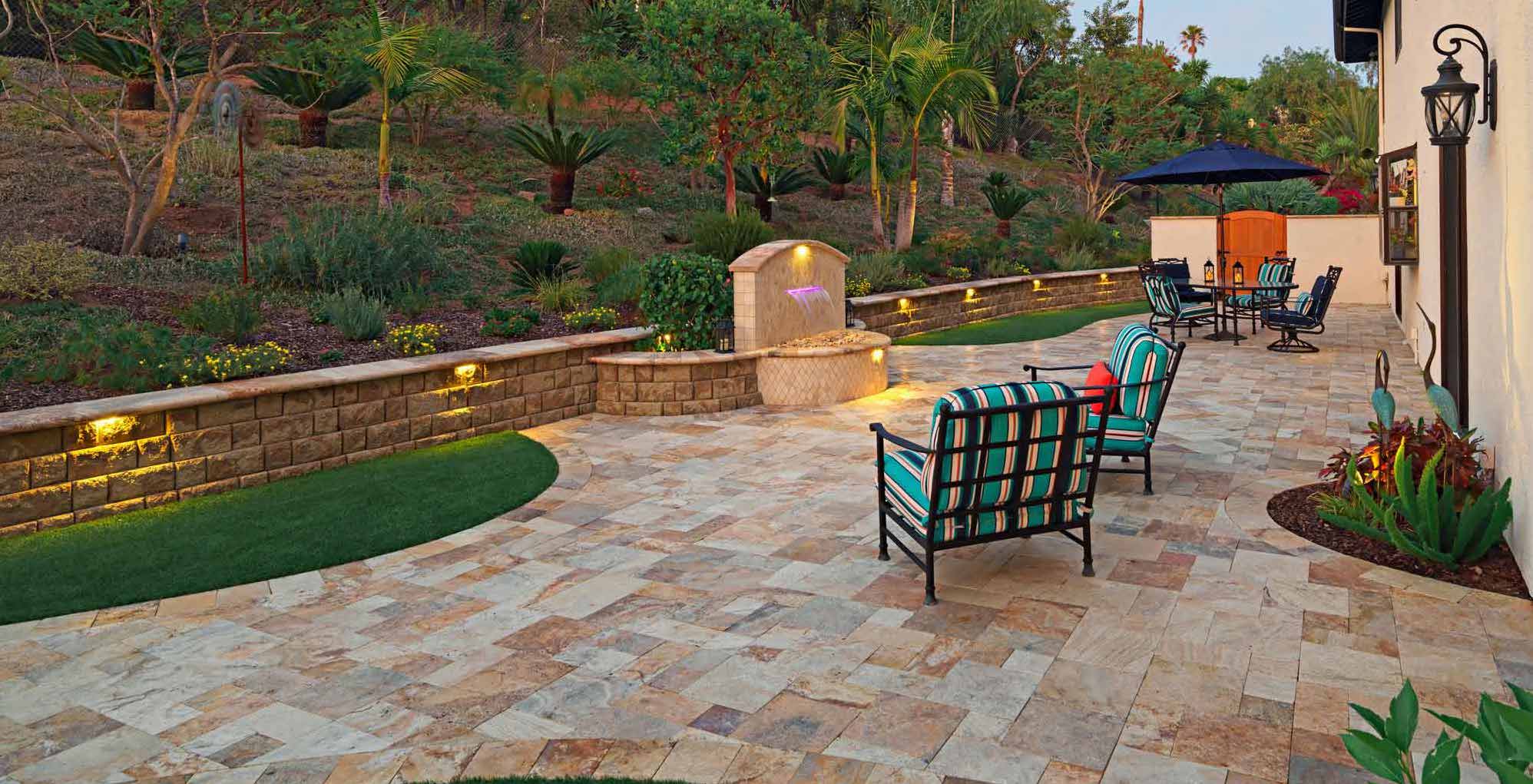
For many Arizona properties, travertine is one of the strongest choices for a sun-exposed pool deck. This natural stone has a lighter appearance, a refined feel, and a surface that tends to be more comfortable underfoot than many dark concrete products. Its natural variation also gives a pool area the custom look homeowners want without making every section appear identical.
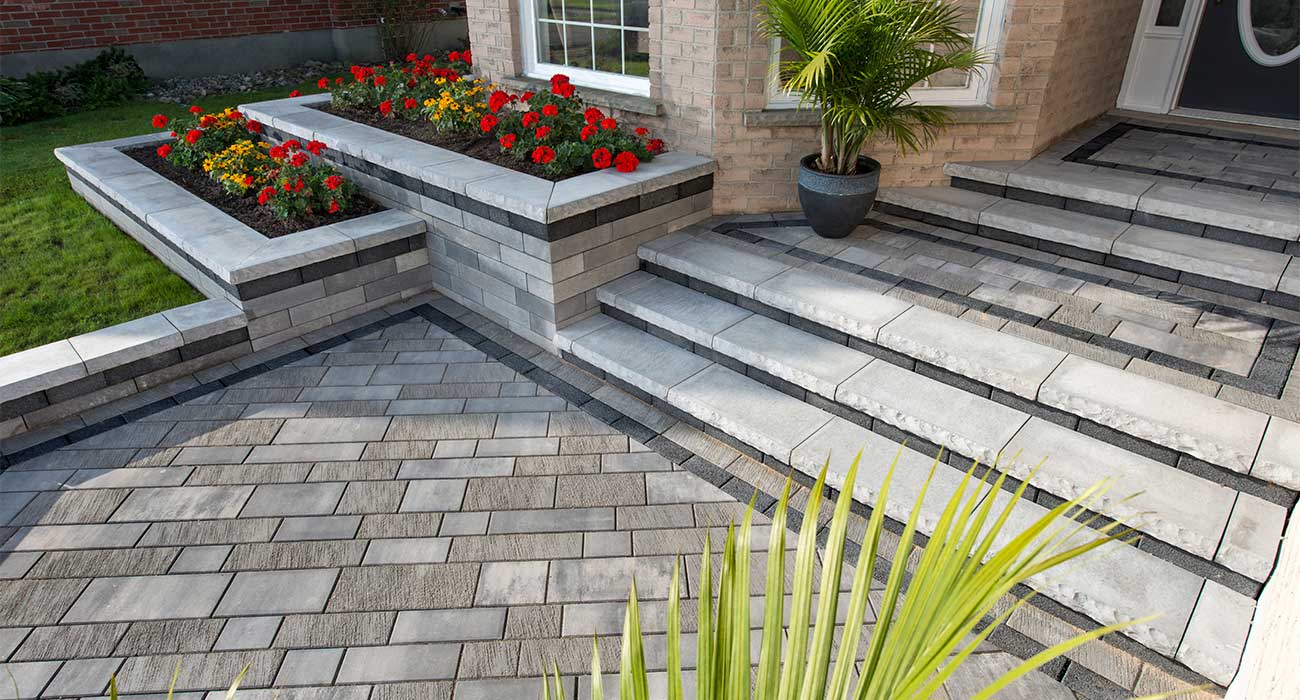
Travertine is not the only answer. Quality concrete pavers in light, heat-reflective colors are a durable and versatile option for patios, walkways, and driveways. They offer broad design flexibility, from clean contemporary lines to old-world patterns, and individual units can be replaced if damage occurs. That is a major advantage over a large poured concrete slab, where a crack can affect the appearance of the entire surface.
Porcelain pavers may also suit certain patios and outdoor living areas. They offer consistent color, modern design options, and low water absorption. However, they need the right base and installation approach, especially when used outdoors in high-traffic areas. Not every porcelain product is a good fit for every driveway, pool deck, or backyard.
Brick and natural stone can add character, but material selection requires care in full Arizona sun. Dark brick or dense dark stone may look striking in a sample but become uncomfortable across a large exposed patio. A small accent border in a darker color is often easier to live with than an entire pool deck made from it.
Why light colors need a smart design plan
Light pavers help with surface temperature, but they can show dust, irrigation stains, leaf debris, and barbecue spills more easily than medium tones. In the Phoenix area, that trade-off is manageable when the design uses a forgiving blended color and the surface is cleaned routinely.
A light tan or warm gray blend often gives homeowners the best middle ground: noticeably less heat absorption than dark pavers, enough visual depth to conceal everyday dust, and a color palette that works with stucco, turf, desert plants, and modern outdoor furniture.
The Base Beneath the Pavers Matters Just as Much
A cooler-looking paver is only valuable if the surface remains level, stable, and attractive for years. Arizona heat expands materials, monsoon storms test drainage, and poorly prepared soil can lead to settling, separation, and uneven edges.
That is why professional base preparation should never be treated as an optional upgrade. A proper segmental paver installation begins with excavation, grading, compaction, a correctly prepared aggregate base, edge restraints, bedding material, and joint sand. Each layer has a job. Together, they help distribute weight, manage movement, and support drainage.
This is especially important around pool decks. Water should move away from the home and pool structures in a controlled manner rather than collecting in low spots. A properly graded paver surface can help reduce puddling while creating a more usable space after swimming, rinsing off, or summer rain.
For driveways, the base must be designed for vehicle loads, not just foot traffic. A patio-style installation approach is not enough for a surface supporting trucks, SUVs, and daily parking. Homeowners should ask how the contractor prepares the subgrade, compacts the base, and secures the perimeter before comparing quotes.
Design Choices That Make Hot Areas More Usable
The most comfortable outdoor spaces use pavers as part of a larger plan. Even heat resistant pavers perform better when they are paired with shade, landscaping, and thoughtful layout.
A covered patio, pergola, shade sail, or well-positioned tree can transform the part of the yard used for dining and lounging. For pool decks, create shaded paths between the house, seating area, and pool entry. This gives people a practical route across the yard during the hottest hours instead of forcing everyone onto fully exposed paving.
Artificial turf can also soften large hardscape areas and reduce the visual and physical expanse of heat-absorbing surface. It works especially well as an accent between paver bands, around stepping-stone paths, or beside a seating area. The design still needs proper drainage and a realistic maintenance plan, but the combination can make a backyard feel cooler and more balanced.
Do not overlook joint color and border design. A light field paver with a dark border can frame a patio beautifully, yet a wide dark border around a pool may become the hottest strip underfoot. Use darker pavers strategically in areas with shade, along vertical features, or as narrow accents rather than across major walking routes.
Paver Maintenance in Arizona Heat
One reason pavers remain a smart long-term investment is that maintenance is straightforward when the installation is done correctly. Regular sweeping removes dust and debris before it settles into joints. A gentle rinse can handle most surface dirt, while targeted cleaning may be needed for food spills, oil, hard-water marks, or rust stains.
Sealing can enhance color and make cleaning easier in certain applications, but it is not always necessary or appropriate. The wrong sealer can change surface appearance, create unwanted sheen, or affect traction around a pool. It should be selected based on the material, location, and desired finish rather than added automatically.
Joint sand may need occasional attention over time, especially after heavy rain or frequent washing. Individual pavers can also be lifted and reset if a utility repair, localized settling, or accidental damage affects a small area. That repairability is one of the practical reasons homeowners choose paver systems over poured concrete.
Choosing the Right Surface for Your Home
The best paver for your property depends on where it will be installed and how you plan to use it. A family building a barefoot-friendly pool deck may prioritize light travertine or pale textured concrete pavers. A homeowner updating a driveway may prefer a stronger concrete paver system in a medium-light color that hides tire marks and dust. A covered entertaining patio may have more freedom to use richer colors because shade changes the heat equation.
Before making a final selection, view full-size samples outdoors at different times of day. A color that looks perfect inside a showroom can appear much brighter, warmer, or darker against Arizona sun and your home’s exterior. Walk on the sample if possible, especially if the area will be used by children, pets, or guests coming in from the pool.
Liberty Pavers helps homeowners turn these decisions into complete outdoor spaces, with material guidance, detailed design, proper site preparation, and installation focused on long-term performance. A clear estimate should account for the full system below and above the surface, not just the pavers you see on top.
Your backyard should invite people outside, even when the forecast is climbing. Choose a paver color, material, and layout that fits the sun exposure on your property, then build it on a foundation that protects the investment for the years ahead.