

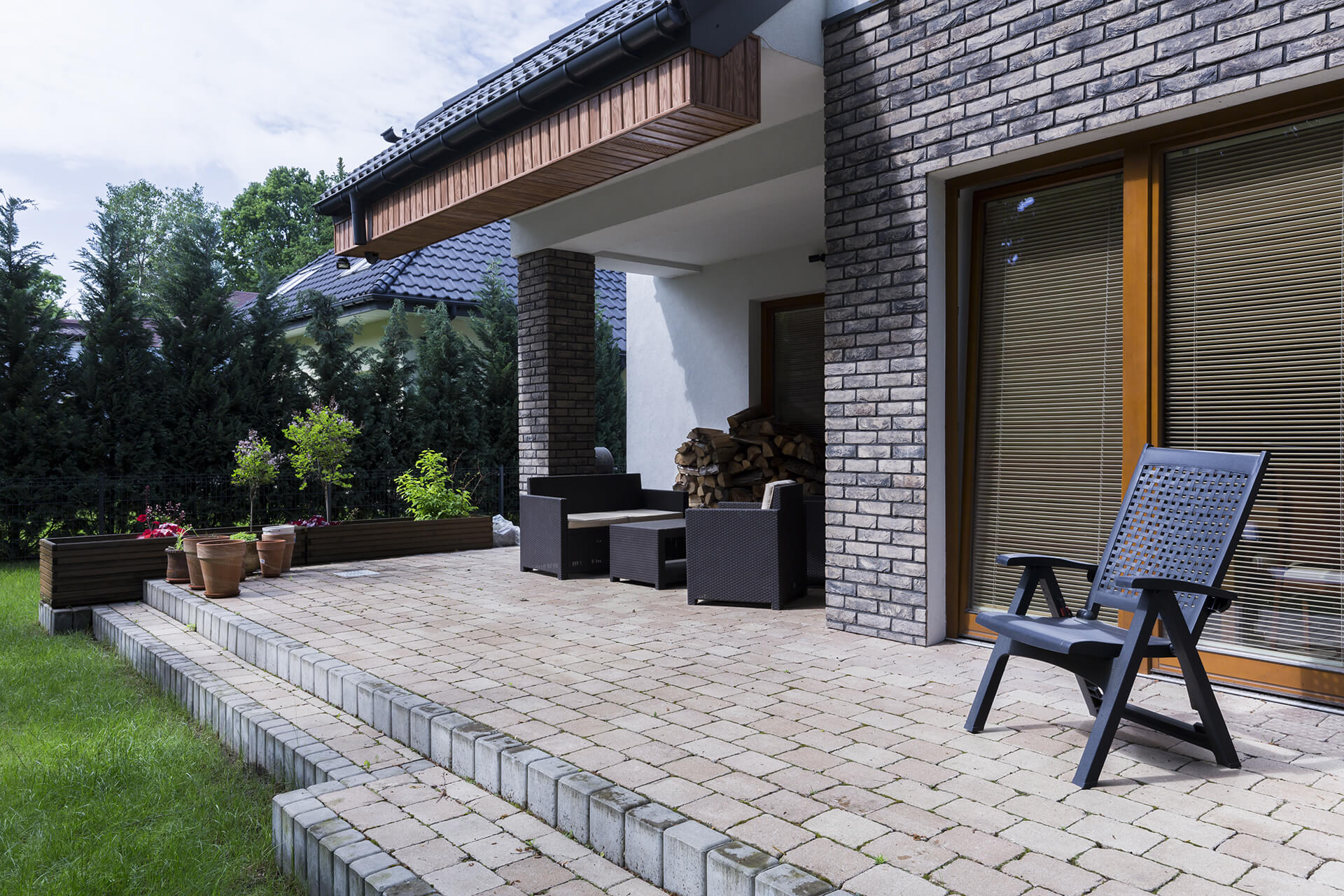
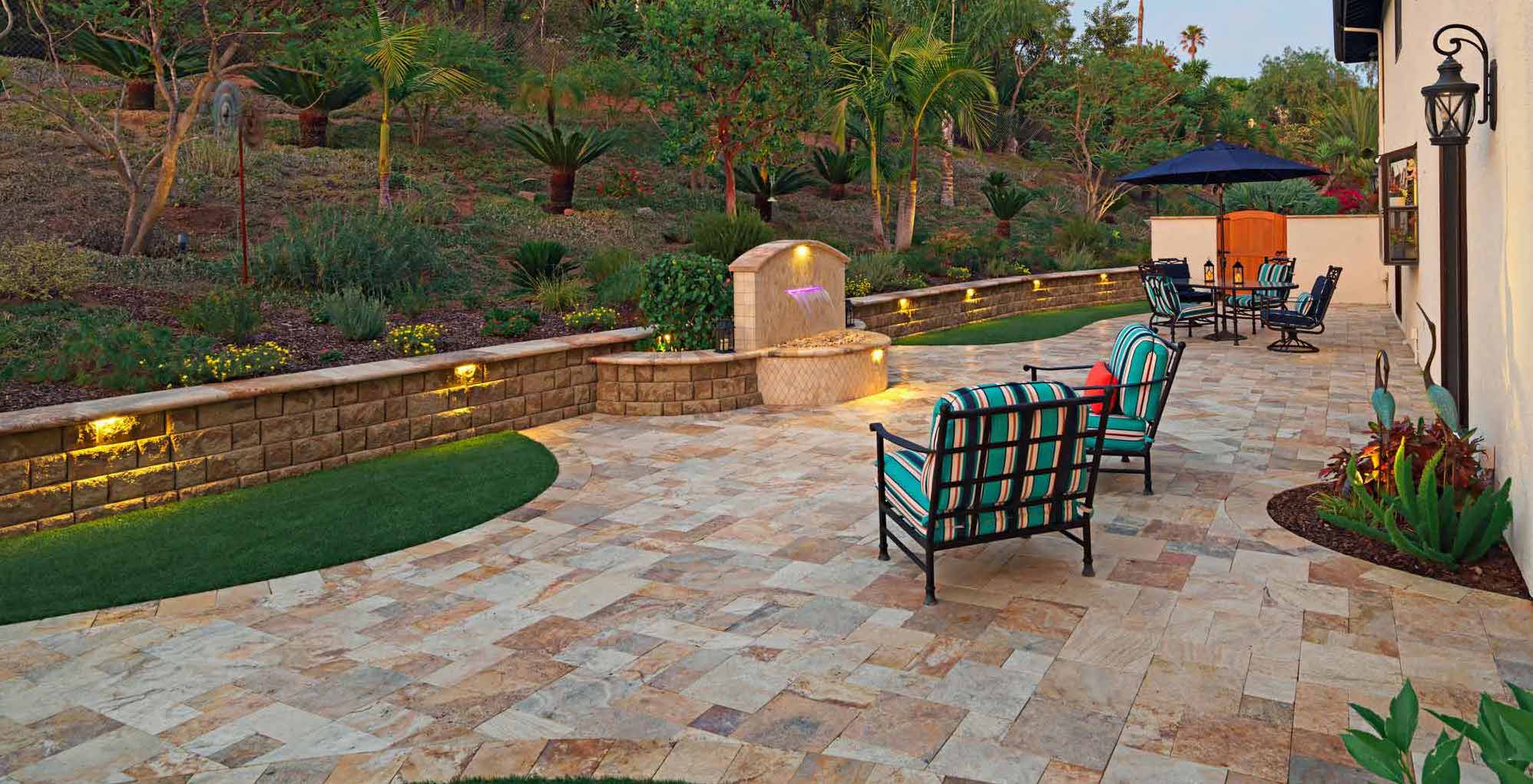
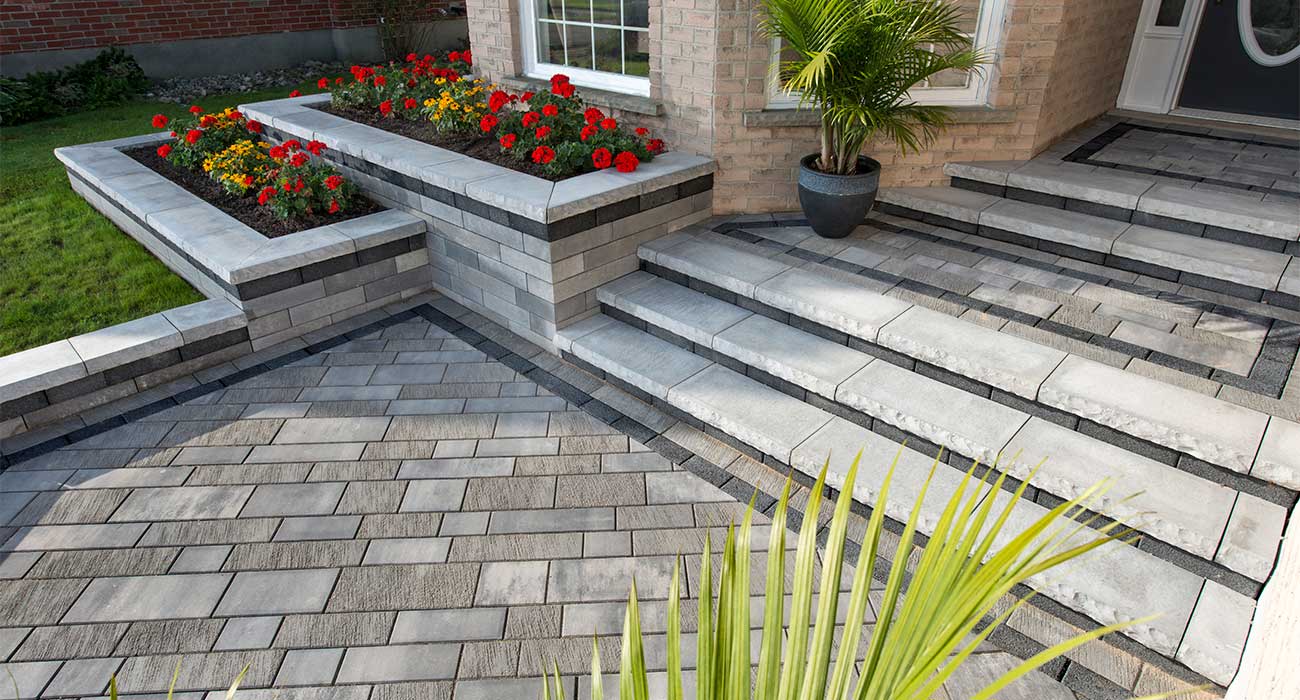
A hairline crack across a Phoenix patio may look minor on Monday and become a trip hazard, weed channel, or wide uneven joint after another season of heat and monsoon rain. Concrete cracking is common in Arizona, but it should never be dismissed as purely cosmetic. The pattern, width, location, and movement of a crack all tell a story about what is happening below the surface.
For homeowners planning a new driveway, pool deck, walkway, or backyard entertaining area, that story matters. A beautiful finished surface is only as dependable as the ground preparation beneath it. Knowing why concrete fails can help you decide whether a repair makes sense or whether a properly installed paver surface will better protect your investment.
Why Concrete Cracking Happens in Arizona
Concrete is strong under compression, but it has limited flexibility. When the slab expands, contracts, settles, or carries weight unevenly, it relieves that stress by cracking. Some cracking is expected over time. The real question is whether it remains stable and manageable or points to an underlying installation or soil issue.
Arizona creates a demanding environment for poured concrete. Long periods of intense sun heat the surface dramatically, while cooler nights can bring sharp temperature swings. Concrete expands in heat and contracts as temperatures drop. Without correctly placed control joints, adequate reinforcement, and proper curing, those movements can create random cracks instead of following planned joint lines.
Soil movement is another major factor. Desert soils can vary widely across a property, and some contain clay that expands when wet and shrinks as it dries. A monsoon storm, irrigation leak, poor drainage, or runoff from a roof can soften or shift the soil under one part of a slab. That uneven support may lead to settling, separation, or a crack with one side sitting higher than the other.
Installation shortcuts often make the problem worse. Concrete poured over poorly compacted fill, loose native soil, or an inadequate base has little protection against settlement. Thin sections, rushed curing, improper water content in the mix, and heavy loads beyond the slab’s design can also shorten its service life.
Not All Concrete Cracking Means the Same Thing
A thin, surface-level hairline crack may be a shrinkage crack. It can develop as fresh concrete cures and loses moisture, and it may stay relatively stable for years. It is still worth sealing if it could allow water into the slab, especially near a pool deck or entry walkway.
A wider crack deserves more attention, particularly if it is growing, collecting water, or creating a noticeable height difference. Diagonal cracks near corners, long cracks running across a driveway, and cracks that branch in several directions can indicate stress from settlement or a weak sub-base.
Look closely at the surrounding area as well. Signs that call for a professional evaluation include:
- One side of the crack is higher than the other
- The slab is sinking near the house, garage, pool, or retaining wall
- Water ponds after irrigation or rain
- Cracks continue through multiple sections of concrete
- Joint edges are breaking apart or crumbling
- Doors, gates, or drainage paths have changed around the affected area
These conditions do not automatically mean the entire surface must be removed. They do mean a surface patch alone may not address the cause.
When a Concrete Repair Can Be Worth It
Repair is often reasonable when a crack is narrow, stable, and isolated, and the surrounding slab remains level. Cleaning out the crack and applying an appropriate flexible sealant can help keep debris and moisture out. Cosmetic resurfacing may improve the look of a worn patio if the slab beneath it is sound.
For small settled areas, slab lifting may be an option depending on the condition of the concrete and the cause of movement. However, homeowners should be realistic about trade-offs. A repair can improve appearance and reduce immediate risk, but it does not give a rigid slab the flexibility it never had. If the soil continues to move or drainage remains unresolved, cracks can return.
Resurfacing also has limits. A new coating can make an old patio look refreshed, but it cannot permanently hide active movement underneath. When cracks telegraph through a resurfaced finish, homeowners may end up paying twice: once for the cosmetic fix and again for replacement.
When Replacement Is the Better Decision
Replacement becomes more practical when concrete cracking is widespread, uneven, or tied to poor drainage and base preparation. It may also make sense when the existing patio or driveway no longer fits the way you use your property. A narrow, cracked side yard path can become a wider paver walkway. A failing patio can become an outdoor dining area with a fire pit, seating walls, artificial turf, or a poolside extension.
Before any new surface is installed, the site should be evaluated for slope, drainage, existing soil conditions, and how the area will be used. A vehicle driveway requires a different base design than a pedestrian walkway. A pool deck needs careful attention to drainage, comfort underfoot, and slip resistance. There is no one-depth-fits-all approach that delivers dependable results across every application.
The work below the finished surface is where long-term performance begins. Proper excavation removes unsuitable material and makes room for the right base system. The base should be installed in controlled lifts and compacted thoroughly, with grades set to move water away from structures and avoid standing water. Edge restraints, jointing materials, and final compaction all contribute to a stable finished surface.
Why Pavers Handle Movement Differently
Concrete is a single rigid slab. Interlocking pavers are a segmental system made of individual units installed over a prepared, compacted base. That difference changes how the surface responds to normal ground movement and temperature changes.
Instead of forcing a large slab to absorb every shift as one piece, pavers distribute loads through the interlocking pattern and joint material. Small movements can occur across the system without creating the long, uncontrolled cracks common in poured concrete. If a localized repair is ever needed, individual pavers can often be lifted, the base corrected, and the same pavers reinstalled.
That does not mean pavers are maintenance-free or immune to poor installation. A paver patio built over a weak base can settle, develop low spots, or allow joint material to wash out. The benefit comes from pairing quality materials with disciplined site preparation and installation. It is a system, not just a surface.
For Arizona homeowners, pavers also offer more design freedom. You can combine colors, patterns, borders, stone accents, and shapes to create a driveway or backyard that stands out from the norm. They work especially well for patios, walkways, pool decks, outdoor kitchens, fire-pit areas, and front entries where appearance matters as much as durability.
Choosing the Right Surface for Your Space
Poured concrete may still be a sensible choice for a simple utility pad, a limited-budget project, or an area where a plain continuous finish is the goal. The key is not to assume that concrete is automatically the lower-cost choice over the life of the project. Repeated crack repairs, resurfacing, and eventual removal can change that calculation.
Pavers generally require a higher level of installation detail and can have a higher upfront cost, particularly for custom patterns or large areas. In return, they provide a repairable surface, a broad range of design options, and a system better suited to managing normal movement when built correctly. Natural stone, travertine, brick, and concrete pavers each bring different looks, budgets, and maintenance needs to the conversation.
The best choice depends on your property, drainage conditions, intended use, and goals for the finished space. A good contractor should explain those variables clearly instead of pushing a one-size-fits-all answer.
At Liberty Pavers, we begin with the foundation because a stunning outdoor space should perform as well as it looks. Whether you are dealing with a cracked driveway, an aging pool deck, or a backyard ready for a complete upgrade, a clear site assessment and fixed estimate can turn uncertainty into a workable plan.
Before filling another crack, take a moment to look at the ground, drainage, and overall condition around it. The right next step may be a simple repair, but it may also be the opportunity to build the outdoor surface your home has needed all along.