

A paver sample can look impressive in a showroom and still be the wrong choice for a Phoenix driveway, pool deck, or backyard patio. When homeowners compare paver brands, the goal is not simply finding the most recognizable name. It is choosing a paver system that suits Arizona heat, the intended use of the space, the home’s architecture, and the quality of the installation below it.
The brand matters. So do color consistency, manufacturing standards, available sizes, edge profiles, and warranty coverage. But no premium paver can make up for poor grading, a thin base, weak edge restraints, or rushed compaction. A beautiful outdoor space earns its long-term value from both the material you see and the preparation work you do not.
What Paver Brands Actually Tell You
Paver manufacturers differ in their product offerings, manufacturing processes, color technologies, and design styles. Some are known for traditional tumbled pavers that create an Old World feel. Others focus on large-format slabs, clean-lined contemporary collections, or products engineered for commercial traffic.
For a homeowner, the best brand is usually the one that offers the right product for the project, not the one with the biggest advertising budget. A driveway needs a paver thickness and structural system designed for vehicle loads. A pool deck needs a surface with comfortable texture and dependable traction when wet. A patio may give you more room to prioritize color, shape, and layout pattern.
Popular names such as Belgard, Unilock, and other established manufacturers can offer strong product lines, but availability can vary by Arizona supplier and by season. Rather than starting with a brand name alone, start with your space: how you will use it, how much sun it receives, and the design you want your home to carry for years.
Compare Paver Brands by Project Type
A paver that works well around a fire pit is not automatically the right selection for a steep driveway. Matching the product to the application is one of the clearest ways to protect your investment.
Driveways need strength and a stable system
Driveway pavers should be selected with traffic load, thickness, pattern, and base preparation in mind. Interlocking concrete pavers are a strong choice because the units distribute loads across the surface rather than behaving like one large slab of concrete. Patterns such as herringbone are often preferred for drive areas because they help resist shifting under turning vehicles.
When comparing paver brands for a driveway, ask whether the collection is approved for vehicular applications. Do not assume a thin patio paver or oversized slab belongs under cars simply because it has a similar look. The installation crew also needs to address excavation depth, compacted aggregate base, bedding sand, edge restraints, proper slope, and joint stabilization.
Pool decks should balance comfort, traction, and style
Arizona pool areas spend much of the year under intense sun. Dark colors can look dramatic, but they may absorb more heat than a lighter blend. Texture matters as well. A pool deck should provide a secure walking surface for wet feet without feeling overly rough or difficult to clean.
Many homeowners choose lighter concrete pavers, travertine, or carefully selected stone for pool surrounds. Each has trade-offs. Travertine has a natural, high-end appearance and can remain more comfortable underfoot, but it needs thoughtful material selection and maintenance. Concrete pavers offer broad design flexibility, predictable sizing, and easier repair if one section is damaged. The right answer depends on your aesthetic, budget, maintenance expectations, and the way your family uses the pool.
Patios and backyards leave room for custom design
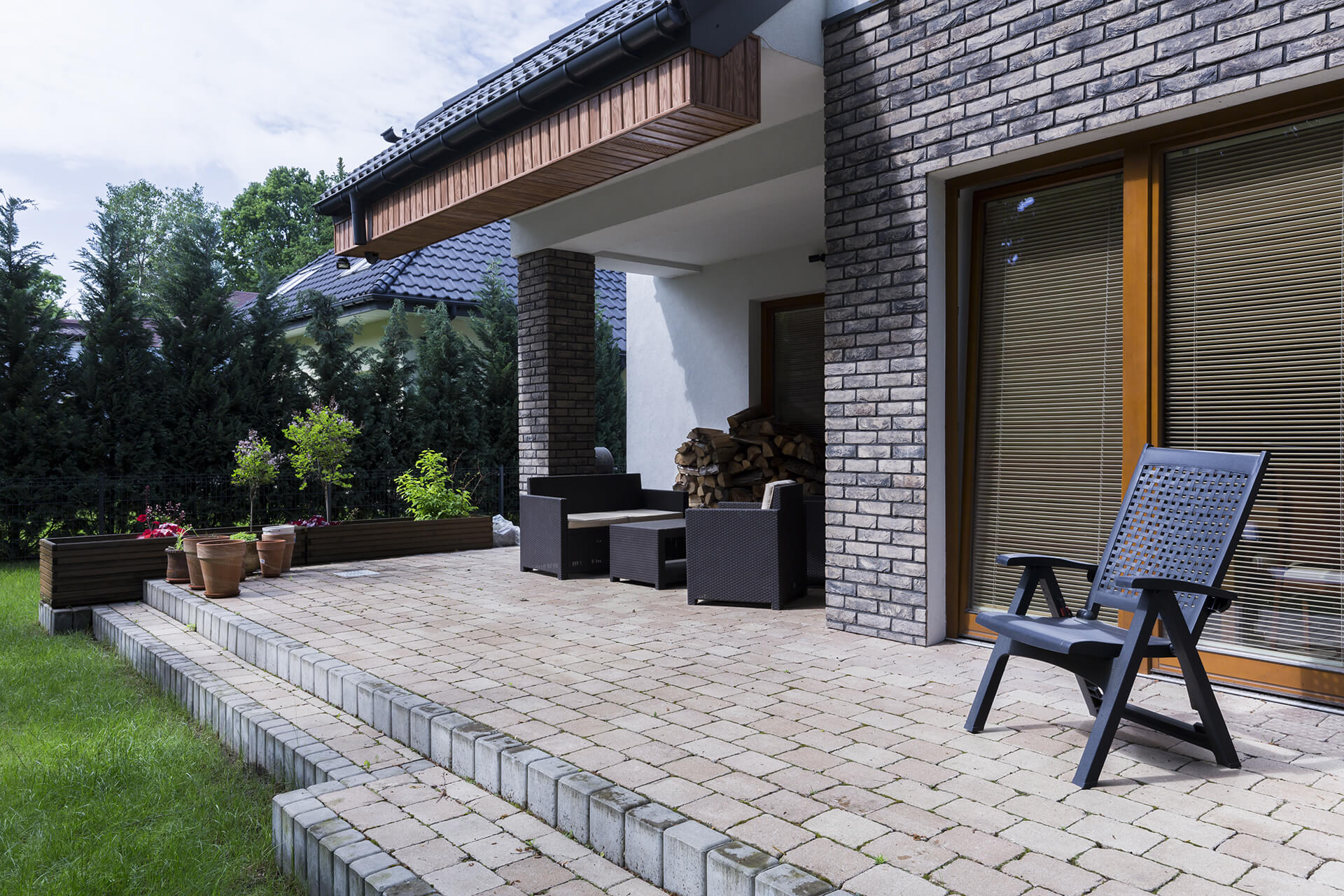
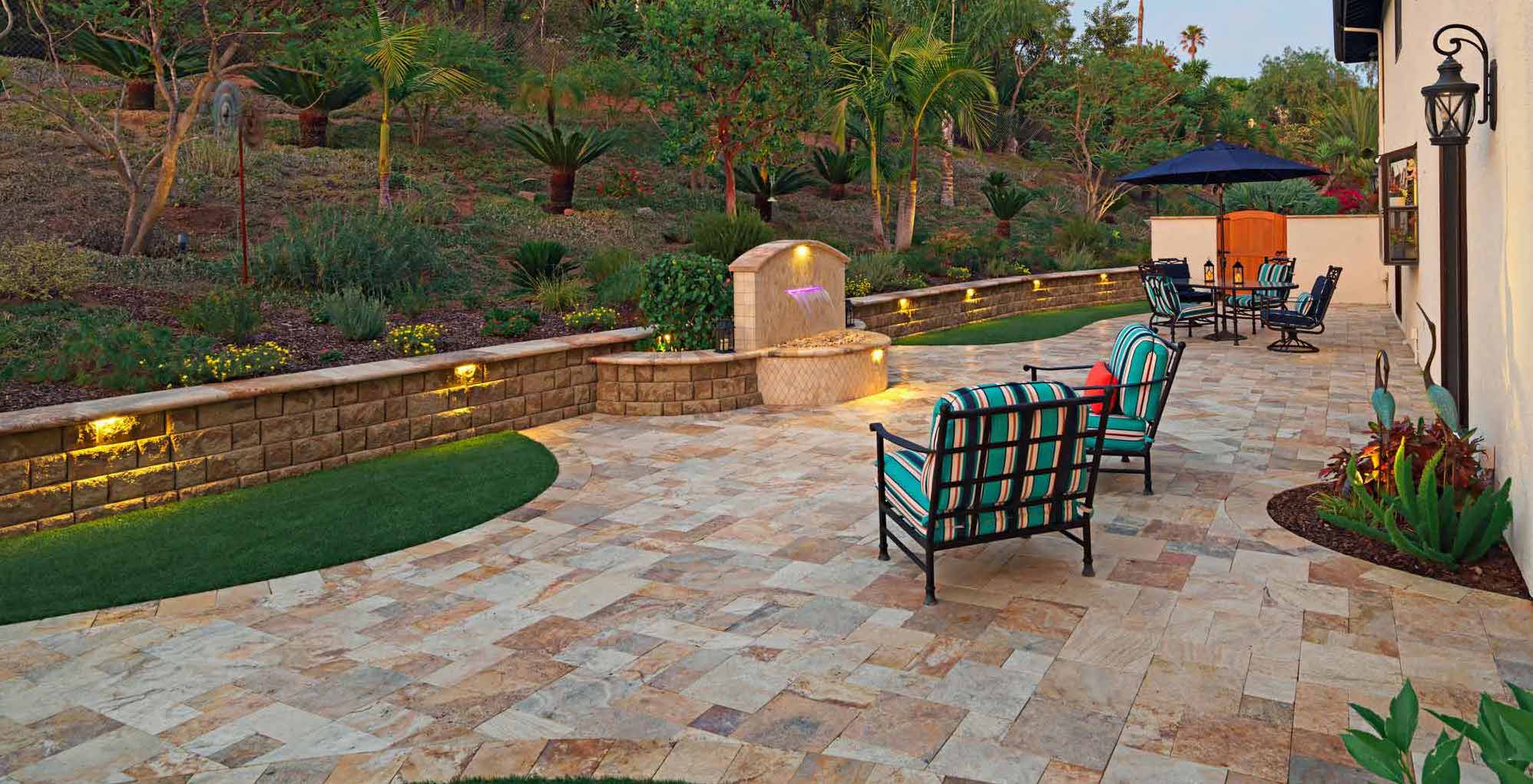
A backyard patio is where paver brands often show the most variety. You can choose from modular shapes, plank-style pavers, large-format units, borders, inlays, and mixed-color layouts. A warm earth-tone blend may complement a Southwest-style home, while smooth gray or charcoal tones can create a crisp, modern entertaining area.
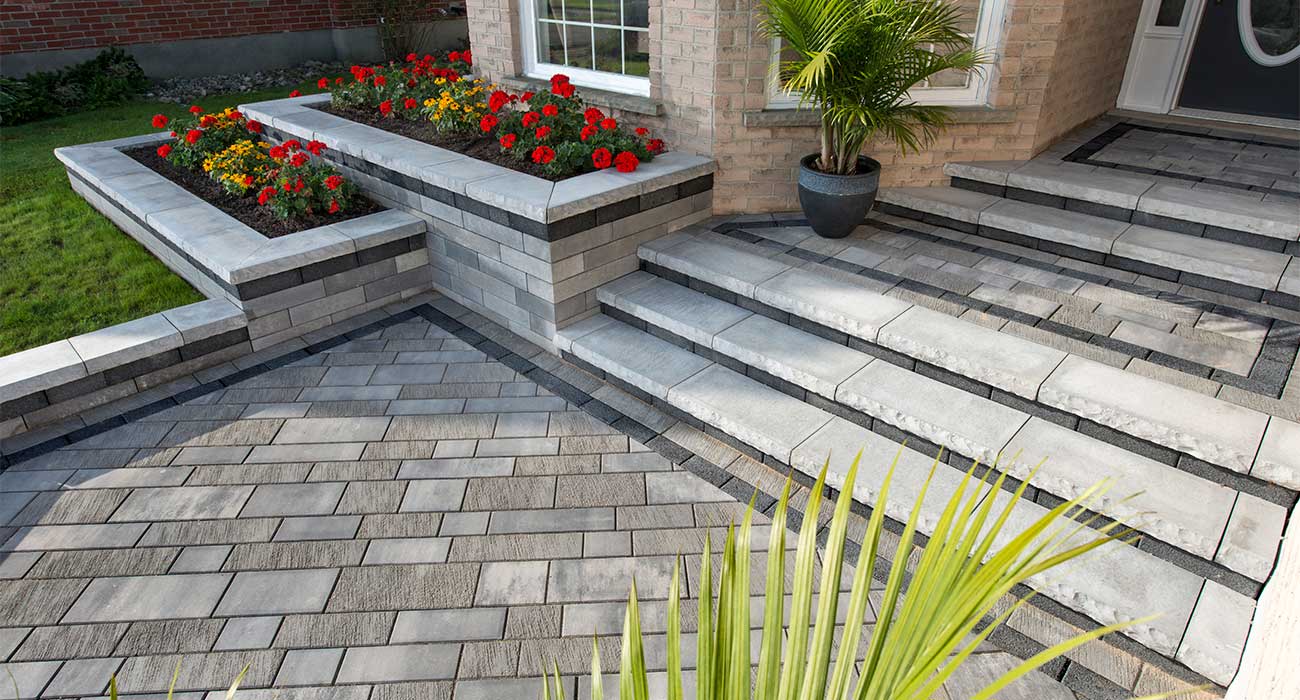
Look beyond the field paver. Ask whether the manufacturer offers matching coping, wall caps, step treads, and border options. Coordinated pieces can make a patio, fire pit, retaining wall, and walkway feel intentionally designed rather than assembled from unrelated materials.
Color Matters More in Arizona
A paver’s color is not just a design decision. It affects how the space feels in direct sunlight, how dust and debris show, and how well the surface works with the exterior colors already on your home.
Lighter tan, cream, sand, and soft gray blends are popular across the Phoenix metro area because they complement desert landscapes and can make a backyard feel more open. Multi-color blends can hide everyday dust better than a solid color, while a clean monochromatic design can make a contemporary property stand out from the norm.
Request full-size samples whenever possible. Small sample chips rarely show the variation that will appear across a full driveway or patio. View samples outdoors at different times of day, especially in direct afternoon sun. A color that looks subtle indoors may read much warmer, cooler, or darker once it is installed across several hundred square feet.
Also ask how the brand creates its color. Some products use surface-applied color treatments, while others use blended aggregates and pigments throughout the manufacturing process. Both can perform well, but understanding the product helps set realistic expectations for natural variation and long-term weathering.
Do Not Judge Quality by Price Alone
It is tempting to compare paver brands by square-foot price, especially when planning a larger driveway or pool deck. Material cost matters, but a low price can be misleading if it excludes necessary base work, demolition, drainage correction, borders, steps, or finishing details.
A well-made paver installed over an inadequate base can settle, separate, or hold water. A more budget-friendly paver installed with proper excavation, compaction, grading, and edge restraint may deliver far better results over time. This is why homeowners should compare complete project scopes, not material quotes in isolation.
When reviewing estimates, make sure you understand what is included in the installation process. A clear proposal should address the existing surface, excavation, base material, compaction, drainage plan, paver type, pattern, borders, joint material, cleanup, and warranty. Fixed, transparent pricing gives you a better basis for comparison than a vague starting number that grows once work begins.
The Installation Should Influence Your Brand Choice
The most successful paver projects are designed as systems. The pavers, compacted base, bedding layer, edge restraints, joint sand, drainage, and surrounding landscape elements all need to work together.
This is particularly important in Arizona, where monsoon rain can expose drainage problems quickly. Water should move away from the home and avoid collecting near doors, pool equipment, or low points in the yard. Pavers can be lifted and repaired more easily than cracked poured concrete when access to underground utilities or localized corrections become necessary, but that advantage does not remove the need for correct slope from day one.
A qualified contractor should help narrow the brand and collection based on your property rather than pushing a single product on every homeowner. At Liberty Pavers, the selection process starts with how the space needs to perform, then brings color, pattern, and custom details into the plan. That approach protects the foundation of the project while still giving your outdoor space the personality it deserves.
Questions Worth Asking Before You Choose
Before committing to a paver collection, ask whether it is rated for your intended application, whether matching borders and coping are available, and whether replacement units can be sourced later if repairs are ever needed. Ask to see installed examples of the color in outdoor light, not only staged product photography.
You should also ask about the manufacturer’s warranty and the contractor’s workmanship warranty. These are not the same thing. A manufacturer may cover defects in the paver itself, while an installation warranty addresses the workmanship behind the finished surface. Both have value, but neither replaces careful site preparation.
Your home deserves more than a surface that looks good on installation day. Choose a paver brand that supports your design, then choose an installer prepared to build the base, drainage, edges, and finishing details that allow that design to last. A thoughtful quotation is the right next step when you are ready to turn a sample board into a backyard, driveway, or pool deck built for Arizona living.