

A pool edge does more than finish the look of your backyard. It is where bare feet land, where water drains, and where the deck meets the shell of the pool. When homeowners compare paver pool coping versus cantilever, they are usually choosing between two very different construction methods – and that decision affects the pool’s appearance, comfort, maintenance, and future repair options.
For Phoenix-area backyards, the right choice also has to stand up to relentless sun, intense summer heat, monsoon moisture, and the movement that naturally occurs in outdoor concrete and soil. Both options can create a beautiful poolscape. The better fit depends on the design you want and how you want the space to perform years from now.
Paver Pool Coping Versus Cantilever: The Core Difference
Paver pool coping is a separate row of pavers or stone pieces installed around the perimeter of the pool. These coping units typically have a finished, rounded, bullnose, or eased edge that creates a clear visual border between the water and the deck. They can coordinate with a paver pool deck or stand out as an intentional accent in a contrasting color or texture.
Cantilever coping is formed from poured concrete that extends slightly over the pool edge. The concrete is shaped in place, often with a bullnose profile, so the deck and coping read as one continuous surface. It is common around traditional concrete pools, especially when the deck itself is broom-finished, stamped, or coated concrete.
The visual difference is immediate. Pavers create definition, pattern, and material texture. Cantilever creates a smooth, monolithic edge with fewer visible joints. Neither is automatically better. The question is whether your backyard design benefits more from tailored detail or a clean, uninterrupted concrete look.
Why Paver Coping Works So Well With Arizona Pool Decks
A paver coping system gives homeowners more control over the character of the pool area. Travertine-look pavers, natural stone, concrete pavers, and brick-inspired styles can each change the feel of the same pool. A light-toned coping border can brighten deep blue water, while a darker contrasting edge can make a geometric pool feel sharper and more contemporary.
Just as important, pavers are a segmental system. Individual pieces are installed over a properly prepared base rather than as one large slab. That matters in Arizona, where heat cycles, settlement, and irrigation-related soil changes can eventually cause movement. A properly built paver deck has joints that help accommodate minor movement without turning it into a prominent crack across the pool area.
If a paver becomes stained, chipped, or damaged, it can often be removed and replaced without tearing out the entire deck. That repairability is a practical advantage for homeowners who want to protect a major backyard investment. The quality of the installation underneath is what makes that advantage real. Base preparation, grading, edge restraint, compaction, and correct drainage all need to be handled with care before the beautiful finish goes in.
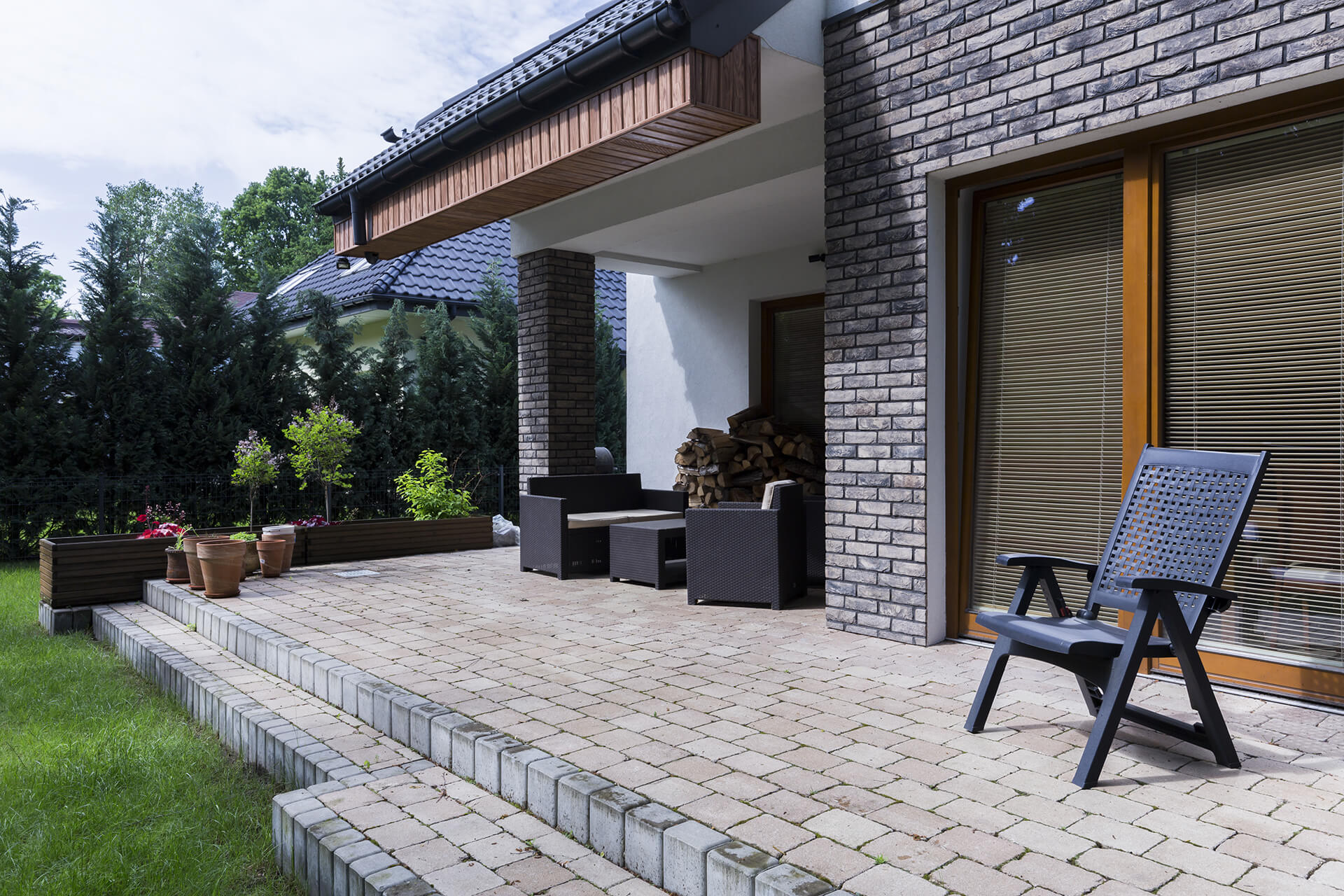
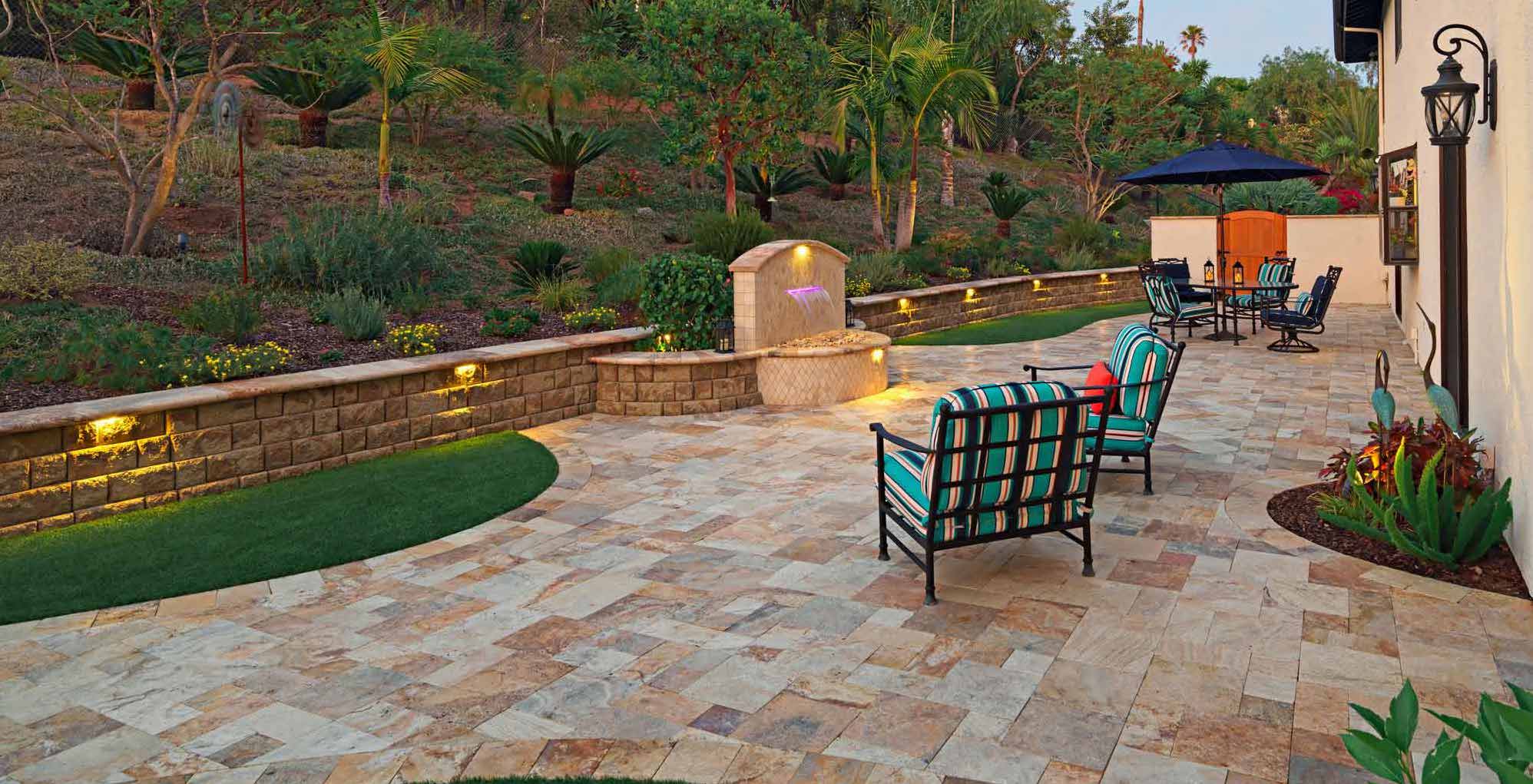
Paver coping can also be easier to coordinate with a larger outdoor-living plan. The pool edge can connect naturally to a patio, outdoor kitchen, fire pit, pathways, retaining walls, or artificial turf borders. Instead of treating the pool as a separate feature, the hardscape can make the entire backyard feel designed as one space.
Comfort and Slip Resistance
Pool coping needs to be comfortable under bare feet and safe when wet. Texture, color, and material choice matter more than the coping category alone. Light-colored pavers generally absorb less heat than dark materials, while textured finishes can offer better traction than a smooth sealed concrete surface.
Travertine and quality concrete pavers are popular choices for this reason, but material selection should be based on the specific product, finish, and color. Some natural stone can require more maintenance, and some highly textured surfaces may be harder to keep clean. A professional design discussion should balance barefoot comfort with the look you want and the amount of upkeep you are willing to take on.
Where Cantilever Coping Makes Sense
Cantilever coping has a clean simplicity that works particularly well for homeowners who prefer minimal lines. Because it is poured as part of the concrete deck, it can make a pool area look broad and visually uncluttered. It also suits certain pool styles, including classic freeform pools and straightforward, budget-conscious renovations where a matching concrete deck is already in place.
A well-executed cantilever edge can be attractive and durable. It does not have paver joints around the entire waterline, and it can create a softer transition between the deck and pool. For a homeowner who wants a single-color concrete surface with a familiar poolside appearance, that continuity may be exactly the goal.
The trade-off is that poured concrete is a continuous slab. Concrete naturally shrinks and can crack over time, particularly when exposed to Arizona temperature swings and ground movement. Control joints help manage where cracking occurs, but they do not eliminate the possibility. When cracking, spalling, or settling affects a cantilever edge, repairs can be more noticeable than replacing an individual paver.
Cantilever coping also deserves careful attention near the pool shell. The expansion joint between the deck and pool needs to be detailed and maintained correctly. Failed joint material can allow water where it does not belong, creating a maintenance issue that should not be ignored.
Cost Is About More Than the Initial Quote
A basic poured concrete cantilever deck may carry a lower initial price than a custom paver coping and deck installation. That can be appealing when the project is focused on a quick refresh or when the existing layout limits material choices. However, comparing only the first number on a quote can hide meaningful differences in long-term value.
Paver projects involve material selection, excavation, aggregate base, compaction, bedding sand, cuts, edge restraints, joint sand, and detailed installation around the pool. That workmanship has a cost, but it also creates a serviceable surface built for long-term performance. A fixed, clearly explained estimate should show what preparation and finish work are included rather than leaving homeowners to guess what is happening below the surface.
Cantilever concrete costs can rise as well when a project includes demolition, substantial deck replacement, specialty finishes, complex forms, drainage corrections, or repairs to surrounding concrete. There is no honest one-size-fits-all price comparison. Pool shape, access, square footage, material selection, and the condition of the existing deck all influence the final investment.
Design Details That Should Drive Your Choice
The pool’s shape is a good starting point. Straight-lined modern pools look excellent with crisp rectangular pavers or large-format stone coping. Freeform pools may call for curved coping pieces, custom cuts, or a smooth cantilevered edge that follows the curves without visible segmentation.
Also consider your waterline tile. Paver coping can frame tile beautifully, especially when the coping color pulls out tones from the tile or surrounding patio. Cantilever coping places more focus on the pool water and deck finish, creating a quieter edge. If your tile is bold, that restraint can work in its favor.
Drainage is another detail that should never be treated as an afterthought. Water should move away from the pool and home without creating standing water, washout, or slippery areas. Whether you choose pavers or concrete, proper slope and drainage planning protect the finished surface and help keep the pool deck usable after storms.
Which Option Is Better for Your Backyard?
Choose paver coping if you want design flexibility, individual-piece repairability, a distinctive border around the water, and a pool deck that can connect with a larger paver patio or outdoor-living design. It is often the stronger choice for homeowners who want their backyard to stand out from the norm while maintaining practical options for the future.
Choose cantilever coping if you prefer a clean concrete look, want a continuous edge, or are matching an existing concrete deck that is in good condition. It can be a smart solution when its style and construction approach fit the project, not simply because it appears simpler at first glance.
For either choice, the best-looking pool edge is only as dependable as the preparation beneath it. Liberty Pavers helps Arizona homeowners evaluate the full picture – materials, drainage, base work, budget, and the way the pool area will be used – before construction begins. A thoughtful plan now gives your family a more comfortable place to gather, relax, and enjoy the backyard when the Arizona sun is at its brightest.