

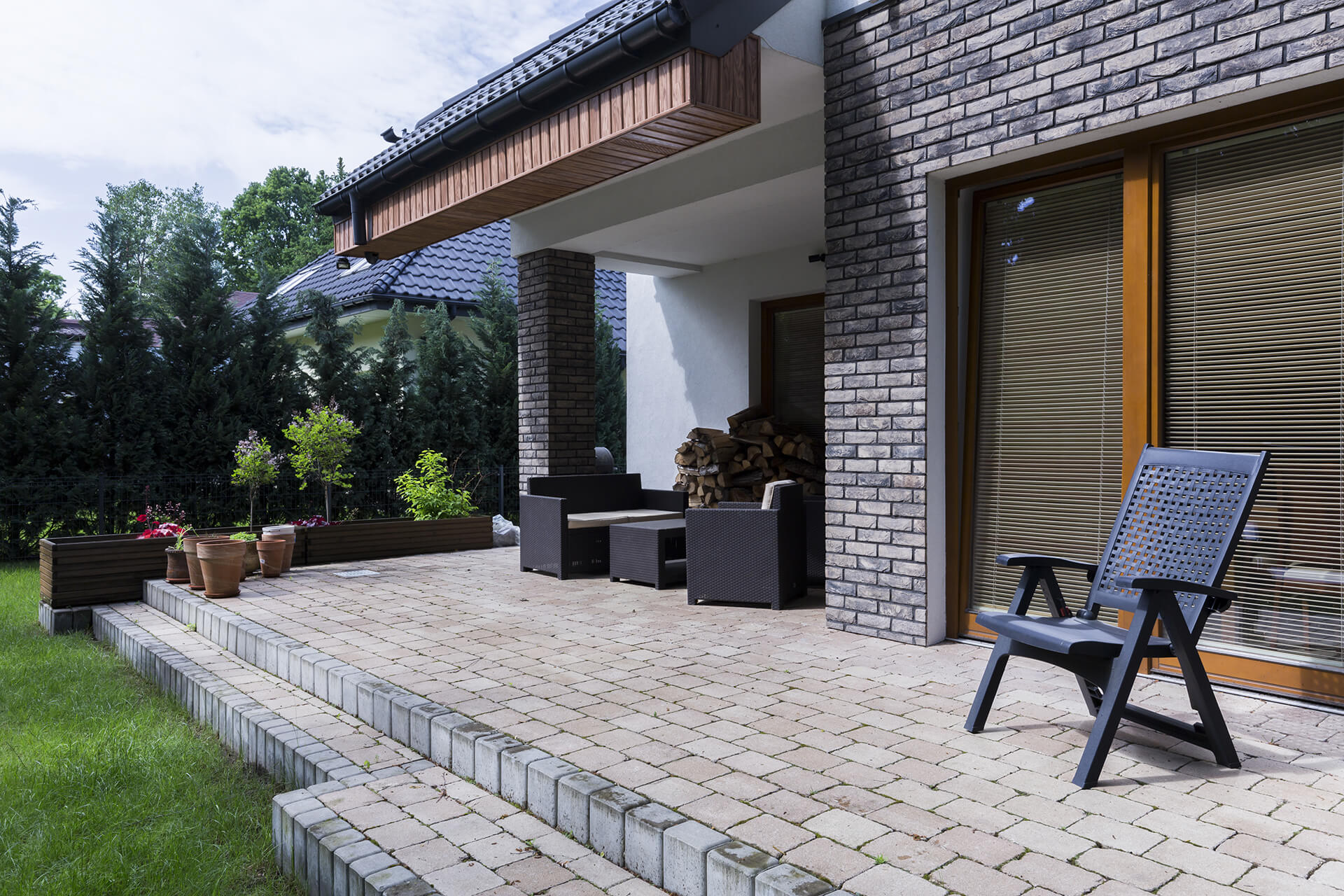
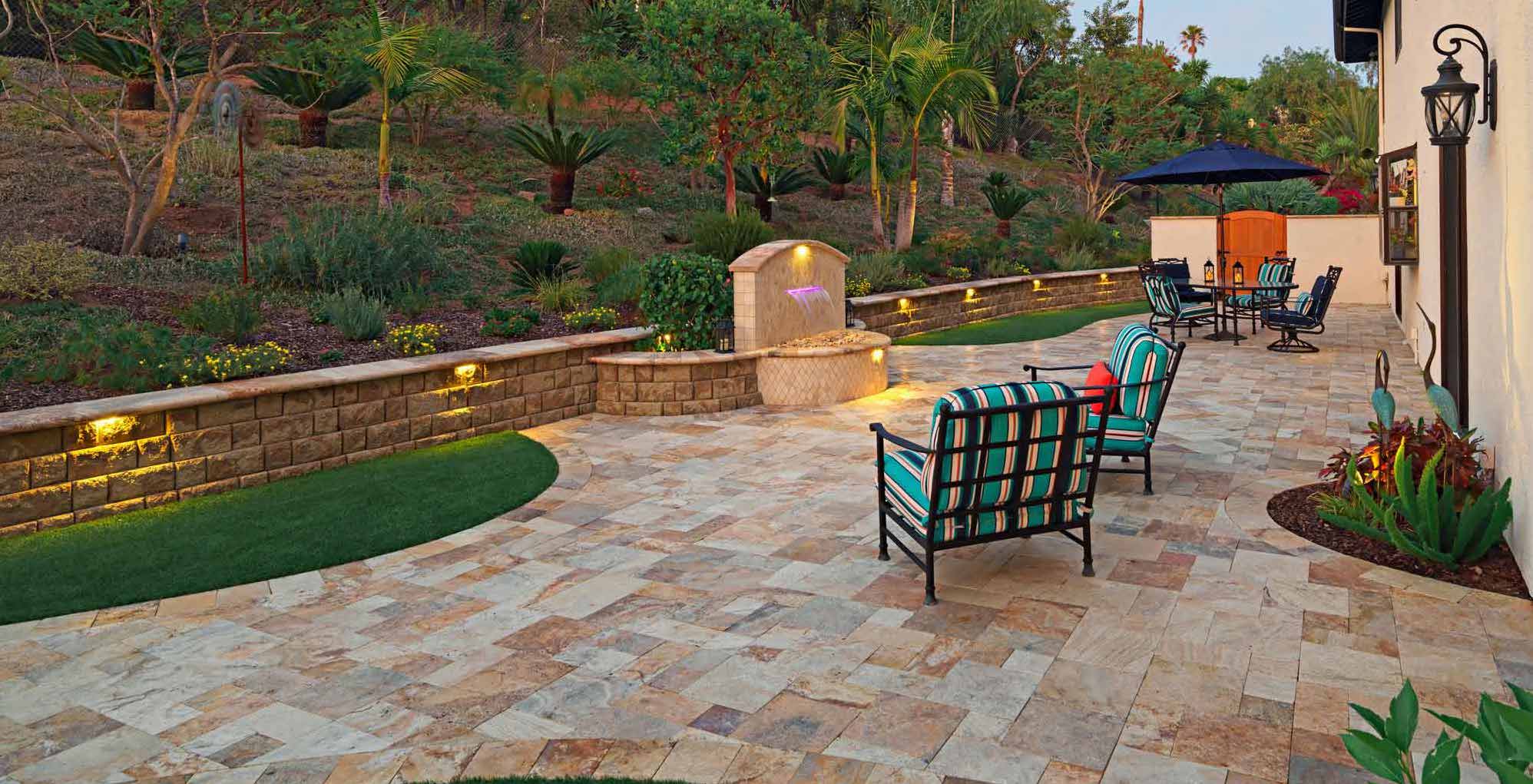
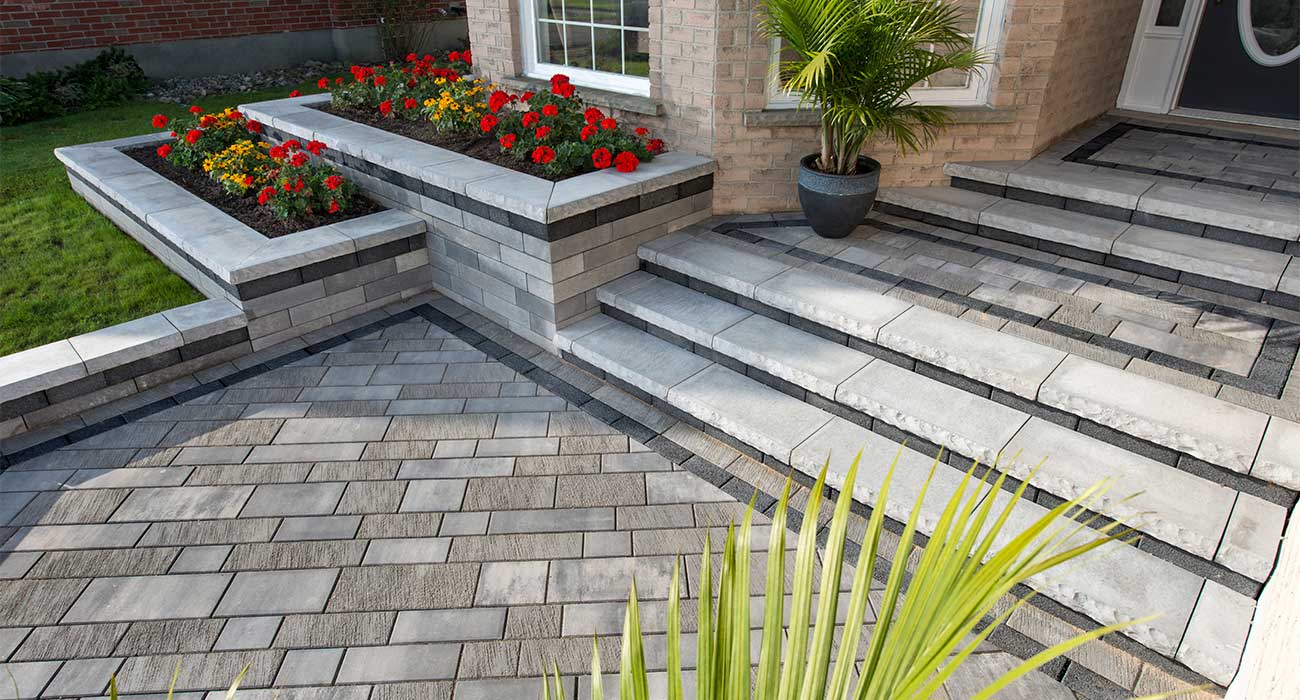
A pool deck can look beautiful on installation day and still be the wrong surface for a Phoenix summer. The real decision in porcelain versus travertine pavers is not simply natural stone versus manufactured tile. It is about how your patio, walkway, or pool area will feel underfoot, hold up to sun and splash zones, and support the way your family spends time outside.
For Arizona homeowners, both materials can create a high-end outdoor space. The better fit depends on your design goals, exposure to direct sun, maintenance preferences, budget, and – most importantly – the quality of the installation beneath the surface.
Porcelain versus travertine pavers: the core difference
Travertine is a natural limestone formed by mineral deposits. Each paver has natural movement, veining, pores, and color variation. That character is exactly why many homeowners choose it for resort-style pool decks, courtyards, and patios. No two pieces are identical, so the finished space has warmth that feels established rather than manufactured.
Porcelain pavers are manufactured from refined clay and minerals fired at very high temperatures. They are dense, consistent, and available in a wide range of colors and stone-look finishes. A quality porcelain paver can resemble travertine, slate, concrete, or wood while delivering a more uniform appearance from one section of the patio to the next.
Neither material is automatically better. Travertine gives you natural character and often a cooler-feeling surface in lighter colors. Porcelain offers exceptionally low water absorption and simple cleanup. Your outdoor space should determine the material, not the other way around.
Heat and comfort around Arizona pools
Arizona heat changes the conversation. A dark or highly polished surface can become uncomfortable quickly in full afternoon sun, regardless of whether it is porcelain or stone. Color, finish, shade, and the amount of exposed surface all matter.
Light-colored travertine is widely valued around pools because its natural porosity and pale tones can make it more comfortable under bare feet than many dense, dark paving materials. It also delivers the relaxed, upscale look homeowners expect from a desert resort backyard. Honed and tumbled finishes are especially popular because they soften the appearance while providing texture.
Porcelain can also perform well in a pool environment, but product selection matters. Choose an exterior-rated paver with an appropriate textured, slip-resistant finish. A pale porcelain paver may be a smart choice for a clean contemporary backyard, but a darker color or smooth finish can work against comfort and safety in direct sun.
The most useful approach is to look at full-size material samples outdoors, not under showroom lighting. Set them where the finished project will receive sun. See the color in the morning, afternoon, and near the pool water. That small step can prevent a costly design regret.
Traction is about the finish, not just the material
Wet feet, sunscreen, and pool splash create a real slip risk. Travertine’s naturally textured surface can offer good traction, particularly when it is properly selected for exterior use. Its open pores also contribute to its distinctive feel.
Porcelain is nonporous, so it does not gain traction from natural voids. Instead, manufacturers create grip through the surface texture and rating. Not every porcelain product is appropriate around a pool. Interior porcelain tile and glossy finishes do not belong on an exposed Arizona pool deck. An experienced installer should confirm that the paver is designed for exterior, wet-area conditions.
Appearance: organic movement or a tailored finish
Travertine is difficult to duplicate completely. Its cream, ivory, tan, silver, and walnut tones bring a natural variation that pairs beautifully with stucco homes, desert landscaping, water features, and fire pits. It works especially well when you want a backyard that feels relaxed, layered, and connected to the surrounding landscape.
That variation also means you need to expect natural differences. Veining, filled areas, and changing tones are part of genuine stone. Homeowners seeking a perfectly consistent surface may find travertine less predictable than expected.
Porcelain offers greater control. If your vision includes crisp lines, large-format pavers, a modern gray palette, or a uniform stone-look finish, porcelain may support it better. It can make a contemporary patio feel precise and intentional, especially alongside artificial turf, linear fire features, and minimal planting designs.
A strong design can blend materials as well. For example, a travertine pool deck may be paired with porcelain accents or a complementary paver patio. The key is creating transitions that look planned, not pieced together.
Maintenance and long-term ownership
Porcelain is one of the easier exterior surfaces to maintain. Its dense surface resists moisture, many stains, and routine pool chemicals better than natural stone. Most dirt, food spills, and sunscreen residue can be handled with regular sweeping and gentle cleaning. It generally does not require sealing, although the joints and the overall installation still need periodic attention.
Travertine requires more care because it is natural stone. Sealing can help reduce staining and make cleanup easier, particularly near grills, outdoor kitchens, and pools. Over time, the sealer may need to be reapplied based on the product used, sun exposure, traffic, and cleaning habits. Acidic cleaners should be avoided because they can etch limestone-based stone.
That does not make travertine high-maintenance in the everyday sense. Many Arizona homeowners are happy to perform basic care in exchange for its appearance and underfoot comfort. But if your priority is the least possible upkeep, porcelain has the advantage.
Installation quality determines whether pavers last
Even premium pavers cannot compensate for poor preparation. A patio that settles, shifts, or drains poorly can develop uneven joints, standing water, and trip hazards whether the surface is porcelain or travertine.
The work below the pavers deserves as much attention as the pavers themselves. Proper excavation, a compacted base, edge restraint, grading, bedding material, and drainage planning all protect the finished investment. This is particularly important near pools, where water management and a stable perimeter affect both appearance and performance.
Porcelain requires careful installation because pavers can be thinner and more rigid than many natural-stone products. The selected format, substrate, joint system, and intended use must work together. A driveway, for example, needs a material and base system engineered for vehicle loads. Not all porcelain pavers are suitable for that application.
Travertine also needs thoughtful handling. Natural stone pieces vary in thickness and may require additional attention during layout and leveling. A skilled crew can use those variations to create a polished, balanced surface rather than a patchwork appearance.
Liberty Pavers approaches every project with that foundation-first mindset, because a beautiful pool deck or patio should remain level, functional, and ready for entertaining long after the installation crew leaves.
Cost: look beyond the price per square foot
Material cost is only one part of the investment. Porcelain prices vary widely by style, thickness, finish, and manufacturer. Travertine pricing changes by grade, color, thickness, cut, availability, and the amount of natural variation in the stone.
Installation labor can differ as well. Large porcelain pavers may demand precise cuts and specialized handling. Travertine may take more time to sort, lay out, and finish naturally. Site conditions – access, demolition, slopes, drainage corrections, steps, retaining walls, and pool coping – often have a greater effect on the total quote than the material alone.
A fixed, detailed estimate should clarify what is included in the base preparation, drainage work, edge restraints, material, installation, and cleanup. The least expensive bid can become expensive if essential prep work is missing from the scope.
Which paver should you choose?
Choose travertine when you want authentic natural stone, a resort-inspired pool deck, organic color variation, and a light-toned surface that can feel comfortable in Arizona sun. Be prepared to seal it periodically and accept the character that comes with a natural material.
Choose porcelain when you want low water absorption, consistent color and pattern, easy maintenance, and a contemporary or highly tailored design. Confirm that the exact product has the thickness, texture, and exterior slip resistance needed for its intended location.
Before making the final call, walk through your backyard at the hottest time of day, think about where people will be barefoot, and consider how much maintenance you truly want to perform. The right paver is the one that makes your outdoor space feel exceptional while standing up to the Arizona life you plan to live on it.