

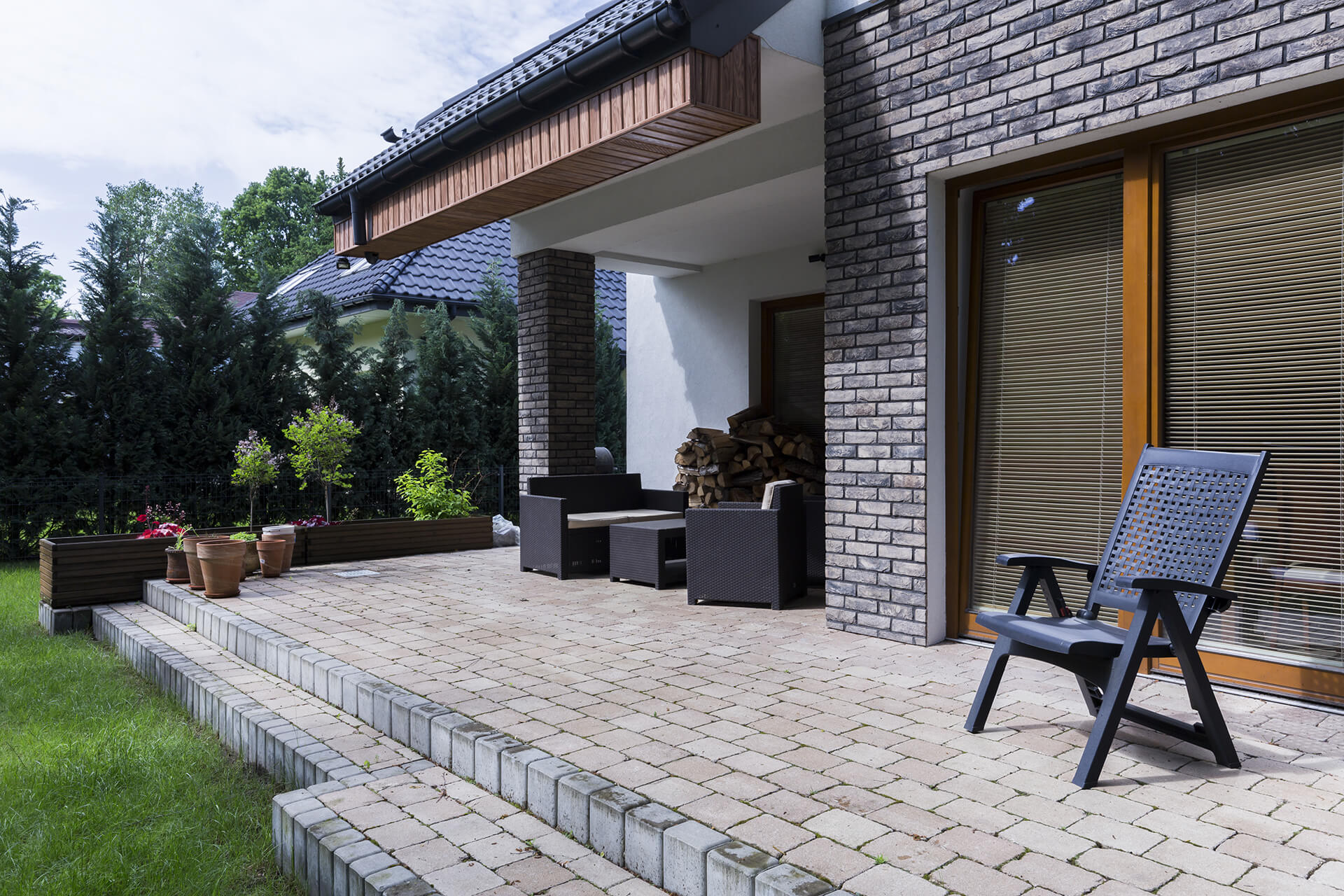
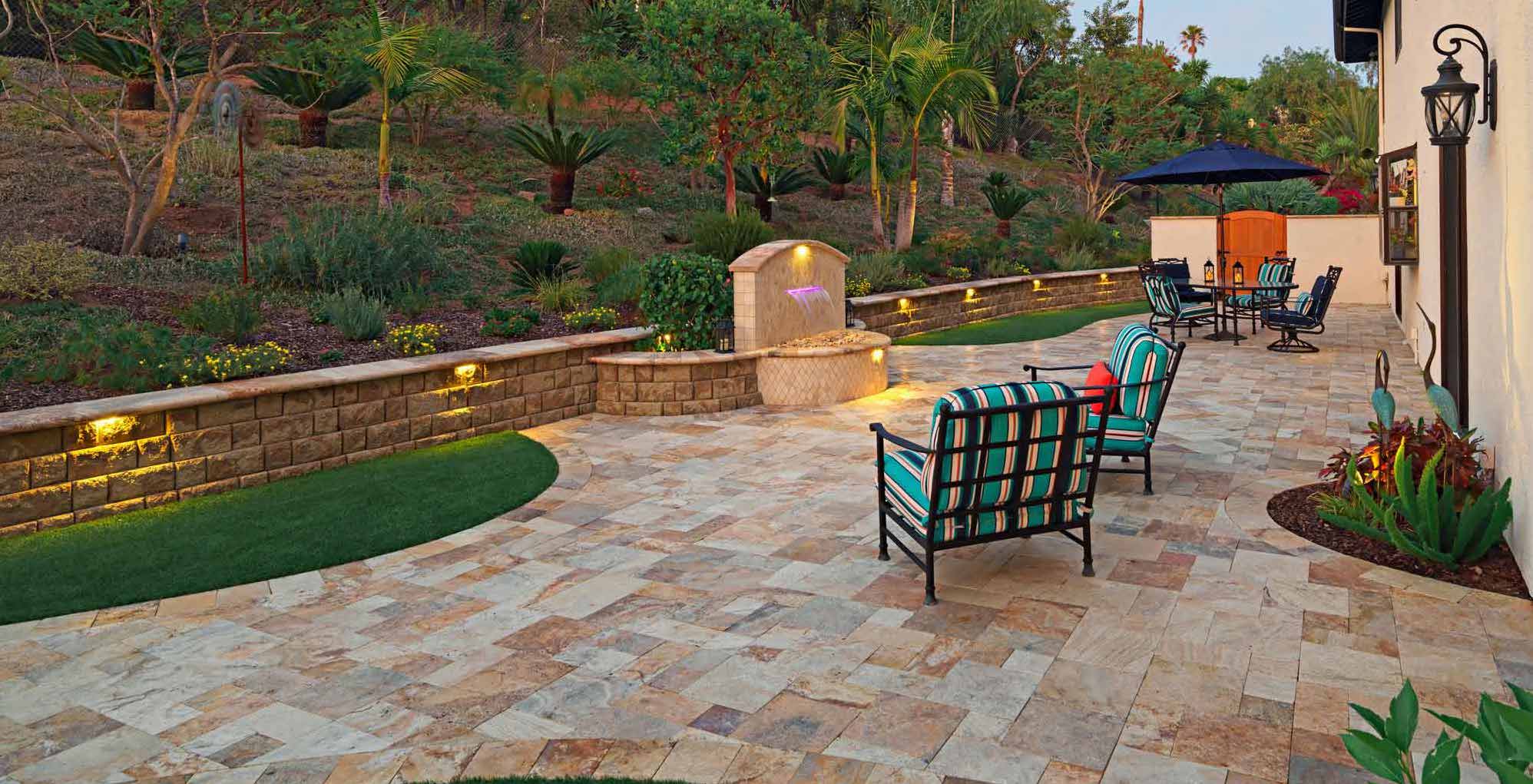
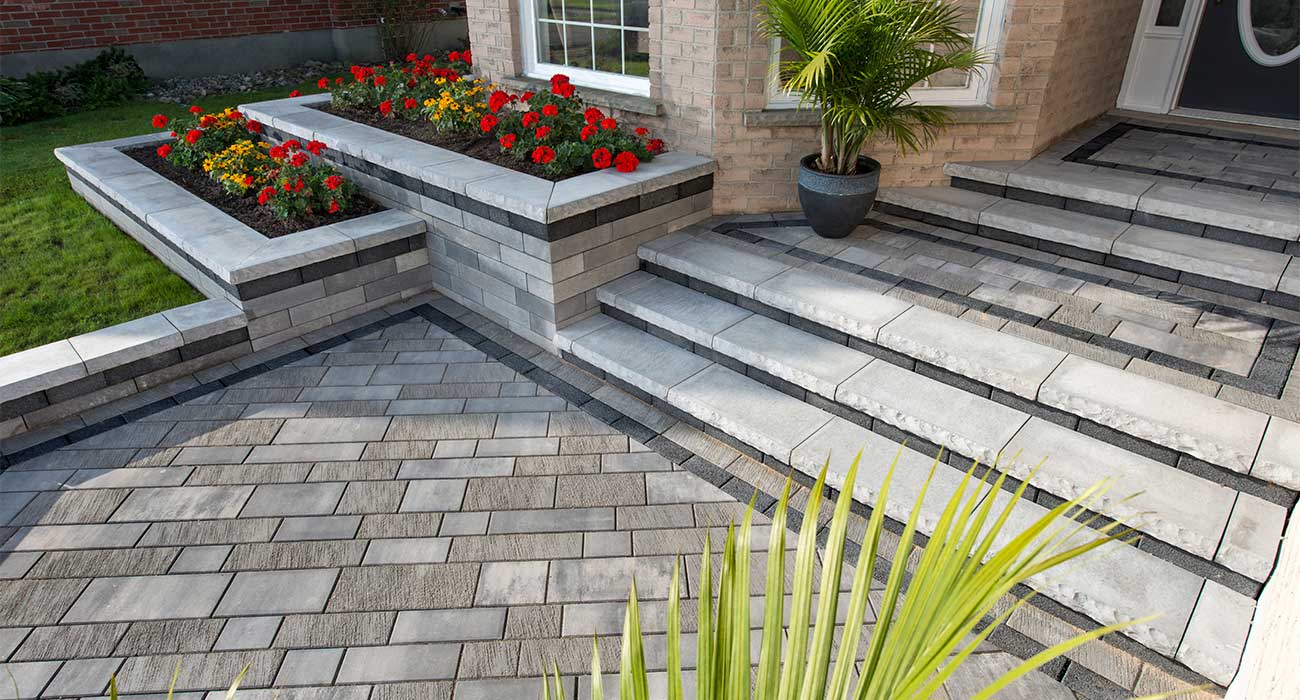
A Phoenix patio can look perfect at 10 a.m. and feel impossible to cross barefoot by 2 p.m. So, are pavers cooler than concrete? Often, yes – but not automatically. Surface temperature depends more on material color, finish, direct sun, and the quality of the installation than the word “paver” or “concrete” alone.
For Arizona homeowners building a pool deck, backyard patio, walkway, or driveway, the better question is: which surface will stay more comfortable while still holding up to intense sun, monsoon moisture, daily use, and years of expansion and movement? Pavers can be an excellent answer when the material and design are selected with the heat in mind.
Are Pavers Cooler Than Concrete? The Straight Answer
A light-colored paver surface can be noticeably more comfortable underfoot than a darker poured concrete slab in full sun. Many pavers are made with colors, textures, and shapes that help homeowners choose a finish better suited to a hot climate. Their individual units and joint lines also break up what would otherwise be one large, heat-absorbing slab.
That said, a dark charcoal paver can get hotter than a light gray concrete patio. A dense, dark brick paver may absorb more heat than a pale concrete finish. The product, color, and exposure matter.
Poured concrete is commonly installed in a light gray color, which can reflect a fair amount of sunlight when new. Over time, however, stains, fading, coatings, and darker decorative finishes can change both its appearance and how much heat it holds. Concrete also creates one continuous mass. It stores heat throughout the afternoon and can remain warm well after the sun drops.
Pavers give you more control. Instead of accepting the color and finish of a single concrete pour, you can select a lighter blend, a tumbled texture, larger or smaller units, and border accents that fit your home without turning the entire surface into a heat magnet.
What Actually Makes an Outdoor Surface Feel Hot?
Arizona sunlight is relentless, but not every hardscape reacts to it the same way. Four factors have the biggest effect on comfort.
Color makes the biggest difference
Light colors reflect more solar energy than dark colors. Cream, sand, ivory, light tan, and soft gray pavers are usually better choices for patios and pool decks where people walk barefoot. Deep brown, black, dark red, and charcoal can look dramatic, especially around a fire feature or modern home exterior, but they generally absorb more heat.
This does not mean every project needs to be pale from edge to edge. A smart design may use a lighter field paver across the main walking area, then introduce darker pavers in a border, seat wall, driveway accent, or fire-pit detail where bare feet are less likely to land.
Material density and finish matter
Dense materials absorb and retain heat differently. Standard concrete pavers, brick, natural stone, travertine, and poured concrete all have their own thermal behavior. A textured or tumbled finish can feel less harsh than a smooth, dense surface because it creates small variations underfoot and can reduce glare.
Travertine is especially popular around Arizona pools because lighter selections can remain comparatively comfortable in the sun. It is not maintenance-free, and it needs proper installation and appropriate sealing when conditions call for it. Still, for homeowners who want a high-end pool deck with a naturally cooler feel, it is worth considering alongside concrete pavers.
Direct sun is the real challenge
No exposed hardscape stays cool during a Phoenix summer afternoon. Even the best light-colored paver can become hot in full, direct sun. Shade is not an accessory if comfort is the goal – it is part of the surface plan.
A pergola, patio cover, shade sail, mature tree canopy, or strategically placed umbrella can transform how a patio gets used. On pool projects, shade over a portion of the deck gives swimmers, kids, and guests a place to step out of the water without stepping onto a scorching surface.
Water and airflow change the experience
A pool deck near splashing water will naturally feel different from a dry driveway. Open outdoor areas can also benefit from breezes, while enclosed courtyards may hold heat longer. These conditions should shape the layout, not just the material selection.
The joints between pavers can support drainage when the system is designed correctly, which is valuable during monsoon season. But drainage should not be sold as a shortcut to a cool surface. It protects the base and helps manage water. Color, shade, and material remain the main temperature decisions.
Why Pavers Make Sense for Arizona Patios and Pool Decks
Heat comfort is only one reason homeowners choose pavers over plain concrete. A properly installed paver system gives an outdoor space detail, flexibility, and long-term repair options that a basic slab does not.
Pavers are individual units installed over a prepared base. That construction allows the surface to accommodate minor ground movement better than a large, rigid slab. Concrete can crack as soil shifts, temperatures swing, or water affects the subgrade. Cracks are not always a structural emergency, but they can interrupt the look of a patio, driveway, or pool deck and become difficult to blend into a repair.
With pavers, a damaged or stained section can often be lifted and replaced without demolishing the entire surface. That matters for a backyard investment that needs to look sharp year after year.
Texture is another advantage near a pool. The right paver profile can provide more traction than a slick, sealed concrete surface. No outdoor surface is slip-proof, especially when wet, but thoughtful material selection helps create a safer place for family gatherings and everyday pool use.
When Concrete May Be the Better Choice
Concrete still has a place in Arizona hardscaping. For a straightforward utility pad, a small side-yard walkway, or a project with a very limited budget, a properly finished concrete installation can be practical. Light-colored concrete with a broom finish can also be a reasonable option where slip resistance and heat reflection matter more than decorative detail.
The trade-off is usually long-term appearance and repair flexibility. Once a large slab cracks, settles, or stains, patching it cleanly can be challenging. Decorative coatings may refresh the look, but they can require periodic attention under strong Arizona sun and heavy use.
For a large driveway, cost comparisons also need to be honest. Pavers may carry a higher upfront investment because the base preparation, edge restraints, bedding layer, cutting, and labor are more detailed. However, a driveway is not a place to cut corners beneath the finished surface. A weak base can lead to settling in either pavers or concrete, and no attractive top layer can hide poor preparation forever.
Choosing Cooler Pavers for Your Project
Start with the areas people will use barefoot. Pool decks, spa surrounds, patio seating zones, and paths between the back door and the pool deserve the most attention. In those spaces, lean toward light-to-medium tones and avoid making dark pavers the dominant field color.
Ask to see full-size samples outdoors, not just small color chips inside. Put samples in the actual sun at the time of day when the area is hottest. Color often looks different against your stucco, landscaping, waterline tile, and roof than it does in a showroom.
Also consider how the surface will be used. A driveway must support vehicle weight and resist tire marks. A fire-pit patio needs durable materials that complement heat and ash. A pool deck should prioritize comfortable walking, traction, drainage, and a finish that looks clean beside water. One material can work across an entire property, but it does not have to. A custom hardscape often looks better when each zone is designed for its purpose.
The Installation Beneath the Pavers Still Matters
Cooler pavers will not perform well if the surface is uneven, poorly drained, or installed over an inadequate base. Proper excavation, grading, compaction, base material, bedding sand, edge restraints, and joint sand all affect how the finished area drains and holds its line.
This is where professional workmanship protects your investment. A patio that looks level on installation day but settles after one monsoon season is not a bargain. Liberty Pavers approaches each project as a complete system, from design and site preparation through final details, so homeowners can enjoy a surface built for Arizona conditions rather than a quick cosmetic upgrade.
If heat is a major concern, bring it up during the design conversation. A good contractor can help you balance paver color, shade placement, pool layout, drainage, and budget before materials are ordered. That is far easier than trying to cool down a dark, sun-baked patio after it is already installed.
Your best outdoor surface is not simply the one that feels coolest for a few minutes. It is the one that gives your family a comfortable place to gather, supports the way you use your yard, and stays beautiful through Arizona summers for years to come. Get a quotation with your project’s sun exposure and barefoot traffic in mind, then choose the material and design that will make the space inviting when you actually want to use it.