

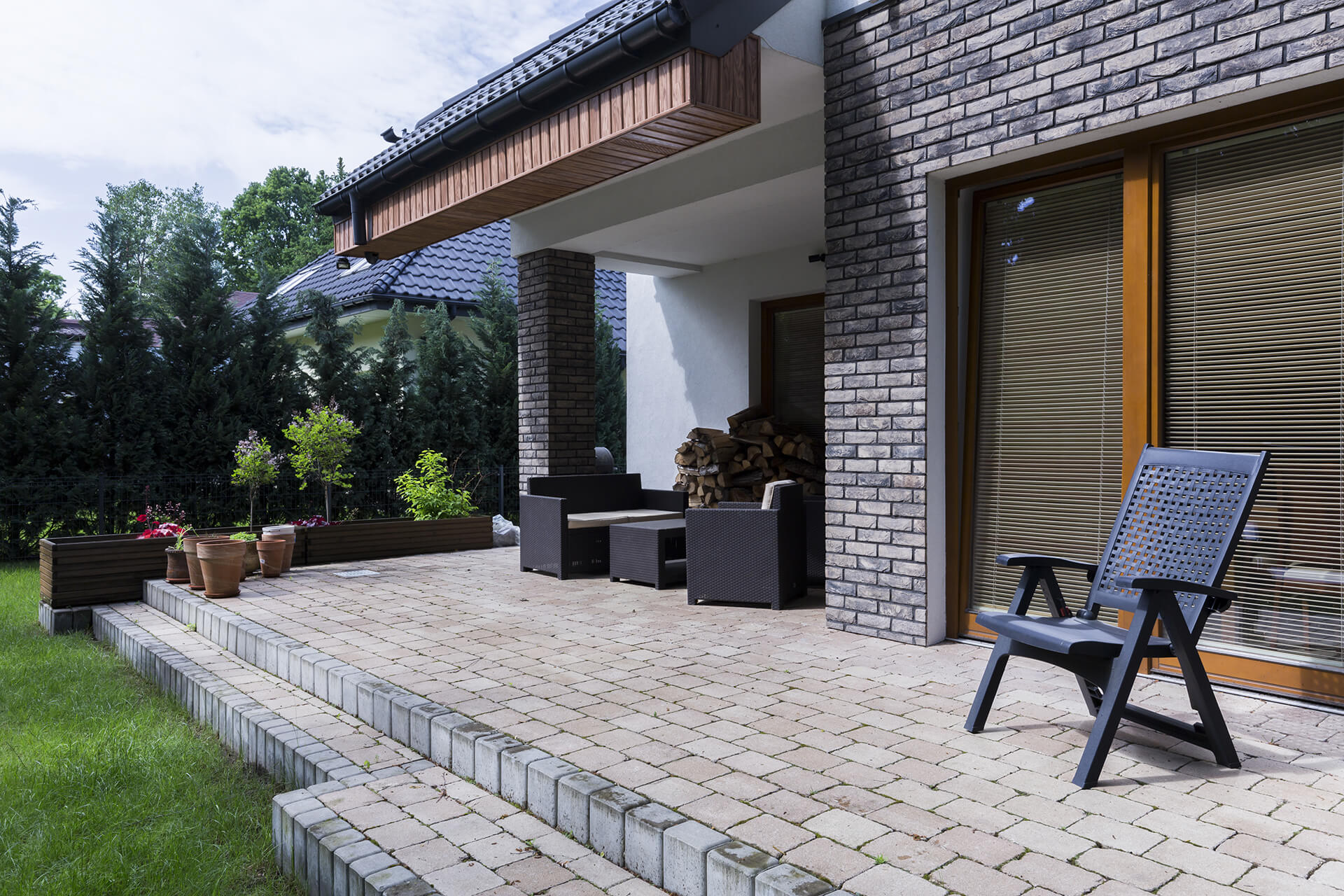
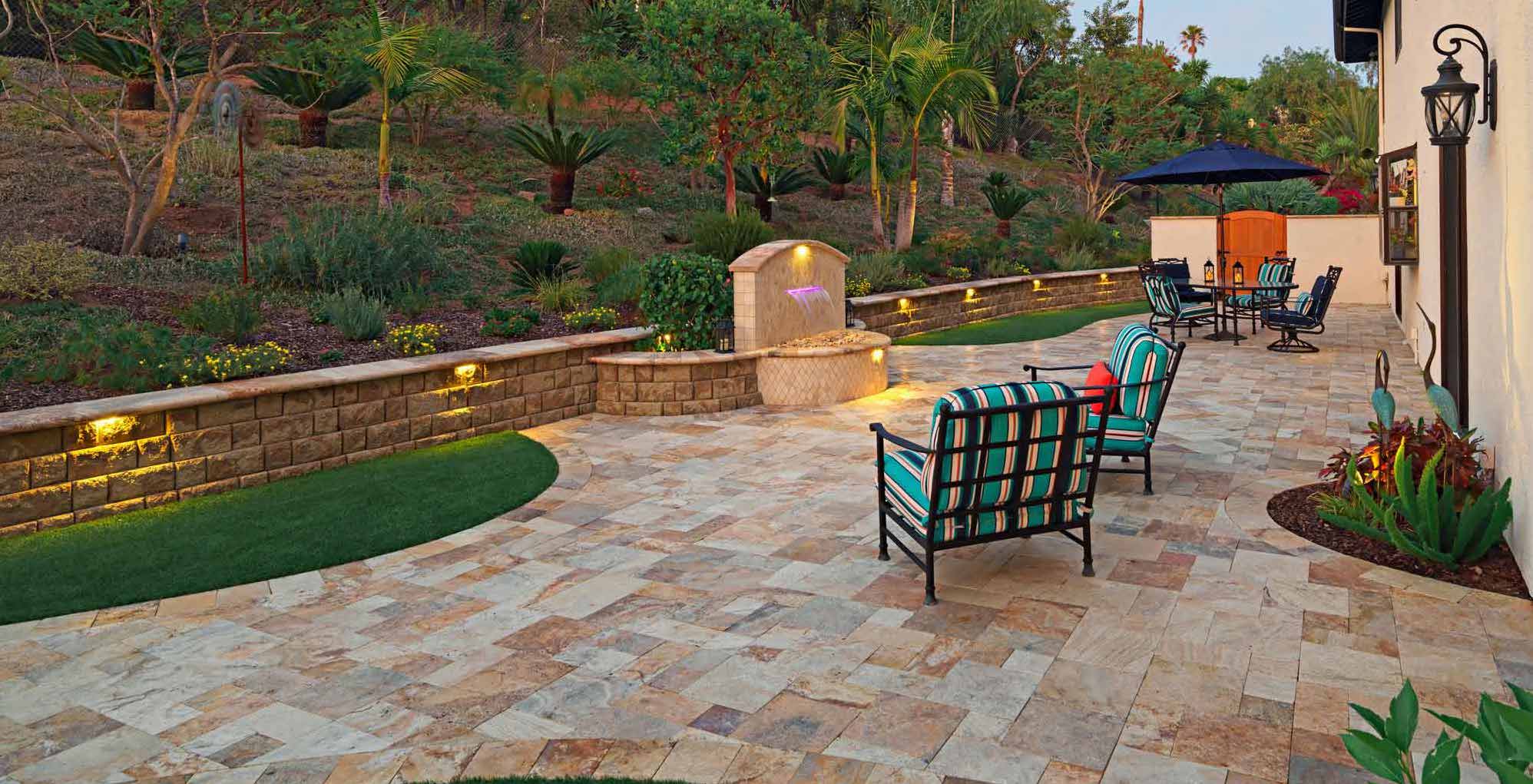
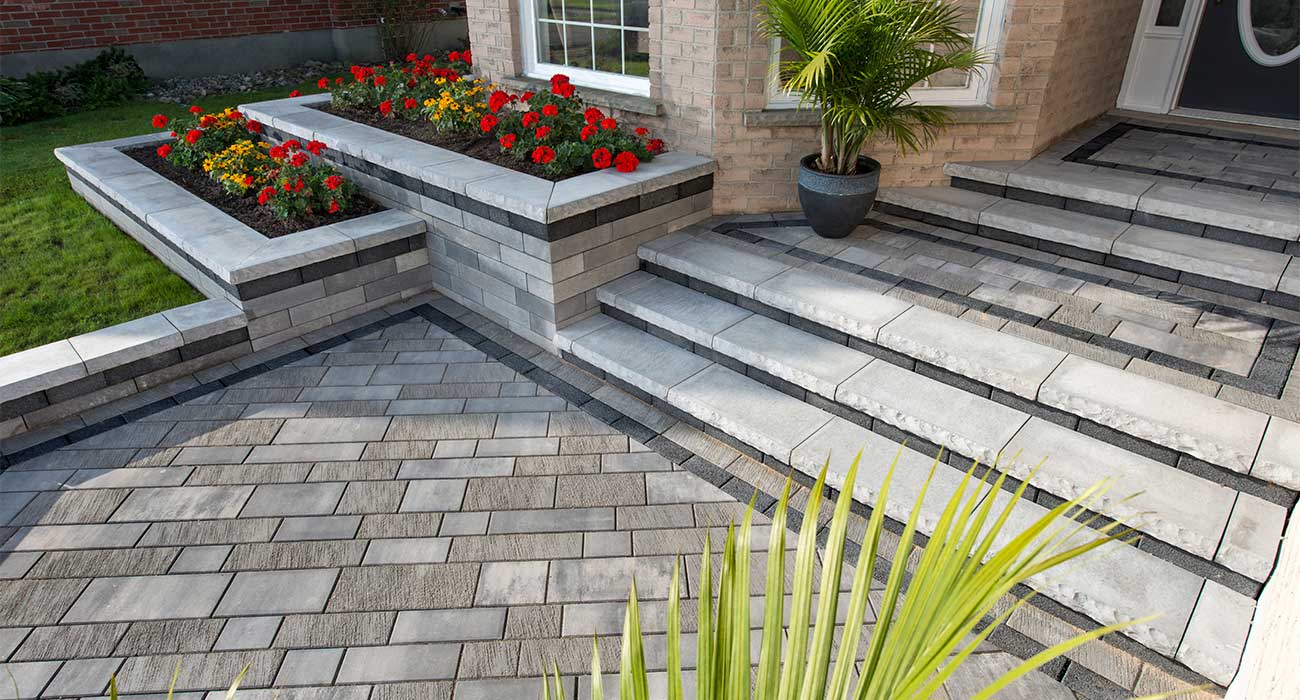
A green backyard can completely change how an Arizona home feels. It can soften a paver patio, frame a pool deck, create a play space for kids, and make an outdoor entertaining area feel finished. But when homeowners compare turf versus natural grass, the decision is about more than appearance. Phoenix-area heat, water use, maintenance time, pets, drainage, and how you plan to use the yard all matter.
Artificial turf and living grass can both have a place in a beautiful landscape. The right choice depends on what you want from your outdoor space and how much upkeep you are prepared to take on year after year.
Turf Versus Natural Grass: The Arizona Reality
Arizona is not an easy place to maintain a traditional lawn. Summer temperatures are intense, rain is limited, and even a healthy grass lawn can require regular irrigation, mowing, fertilizing, weed control, and seasonal attention. Natural grass can look inviting and feel great under bare feet, but it asks for consistent care to stay that way.
Artificial turf offers a dependable green surface without weekly mowing or routine watering. For homeowners who want a clean, finished backyard that holds its color through the hottest months, turf can be a practical investment. It is especially popular around patios, walkways, paver pool decks, dog runs, side yards, and low-use front lawn areas where visual impact matters more than having a living lawn.
That does not mean turf is automatically the best answer for every property. A yard that is used for barefoot play during the peak of summer may benefit from some natural grass or shaded areas. Turf can become hot in direct Arizona sun, particularly with darker fibers, dense construction, or heat-retaining infill. Good design accounts for this from the beginning rather than treating it as an afterthought.
Water Use and Ongoing Costs
Water is often the first reason Arizona homeowners consider synthetic grass. Once installed, artificial turf does not need irrigation to remain green. Occasional rinsing may be useful for dust, pet areas, or spills, but the water demand is dramatically lower than that of a conventional lawn.
Natural grass requires a planned watering schedule, and that schedule changes with the seasons. Bermuda grass is common in Arizona because it handles summer heat well, while winter lawns may be overseeded for seasonal color. That can create a lush look, but it also means additional water, seed, fertilizer, mowing, and labor.
The financial comparison is not limited to a monthly water bill. Natural grass generally costs less to install at the start, but it carries recurring maintenance costs. Turf requires a larger initial investment, especially when installed correctly with excavation, grading, compacted base material, edging, drainage considerations, and quality seams. Over time, many homeowners prefer the predictability of turf because they are not continually paying for lawn care, irrigation repairs, and seasonal treatments.
The key is to compare the full cost of ownership. A low-price turf installation that skips proper base preparation can develop uneven areas, poor drainage, loose edges, or visible seams. Just like a paver patio or driveway, what is underneath the finished surface has a major effect on how it performs.
Comfort, Heat, and How Your Yard Is Used
Natural grass has one clear advantage: it is usually cooler underfoot than synthetic turf in direct sunlight. It also has a softer, more organic feel for families who regularly play, relax, or exercise on the lawn. If your household spends long afternoons outside in summer, real grass can be an appealing surface when it is healthy and properly irrigated.
Turf has its own comfort benefits. Modern products can look natural, drain efficiently, and provide a consistently even surface. There are different pile heights, blade shapes, colors, and densities available, so the turf selected for a decorative front yard does not have to be the same product used for a dog area or a putting green.
For many Arizona backyards, the best plan is not an all-or-nothing choice. A thoughtful design might combine artificial turf with shade structures, trees, paver pathways, travertine or concrete pool decking, and defined gathering areas. This reduces the amount of surface exposed to direct sun while giving each part of the yard a purpose.
If pets are part of the picture, turf can be easier to manage than grass that develops worn paths and muddy spots. Pet-friendly turf should have strong drainage beneath it, and the area should be rinsed and deodorized as needed. A professional installer can help plan the base and drainage so odors and standing water do not become a problem.
Appearance That Fits Your Home
A healthy natural lawn brings a classic, established look to a property. It pairs especially well with mature trees, garden beds, and homes where the landscaping is meant to feel soft and traditional. The trade-off is that natural grass changes with weather, foot traffic, irrigation performance, and the seasons. Thin patches, weeds, and bare spots can quickly take away from curb appeal.
Artificial turf gives homeowners a more controlled look. It stays green, has clean edges, and creates contrast against stone, brick, concrete, and pavers. In a modern Arizona landscape, that crisp contrast can make a patio, fire pit, pool deck, or backyard seating area stand out from the norm.
The most convincing turf installations avoid the “green carpet” look. Proper grading, realistic turf selection, clean transitions, and well-designed borders make all the difference. Turf placed between paver stepping stones, alongside a pool deck, or within a defined backyard lounge area can look intentional and high-end. Turf rolled over an uneven surface with weak edging will not deliver the same result.
Maintenance: Low Maintenance Is Not No Maintenance
Artificial turf is often called maintenance-free, but that is not quite accurate. It is low maintenance. Leaves, dust, and debris still need to be removed. High-traffic areas may need occasional brushing to keep the fibers standing upright. Pet areas may need rinsing, and spills should be addressed promptly.
Those tasks are minor compared with mowing, edging, fertilizing, aerating, reseeding, treating weeds, and managing irrigation. For busy homeowners, the reduction in weekly chores is often one of turf’s strongest benefits.
Natural grass asks for more hands-on work, but some homeowners genuinely enjoy caring for a lawn. If you have the irrigation system, time, water budget, and interest to maintain it, living grass can reward that effort with a cool and comfortable outdoor surface. The decision should be honest about your lifestyle, not just about the first-day appearance.
Installation Quality Matters More Than Most Homeowners Expect
Whether you choose turf, grass, or a combination of both, the site needs to be prepared for Arizona conditions. Drainage, slope, compaction, edges, and transitions to existing hardscape should all be considered before the visible finish is installed.
For turf, a stable, properly compacted base helps prevent depressions and shifting. Correct grading moves water away from the home and prevents pooling. Secure edging holds the perimeter in place, while clean seams keep the lawn looking natural. These details are not glamorous, but they protect the investment long after installation day.
For natural grass, soil quality and irrigation coverage are equally important. A lawn cannot thrive where water is uneven, drainage is poor, or compacted soil limits root growth. Before installing sod, homeowners should also consider how the lawn will meet patios, walkways, and paver borders. Clean transitions make maintenance easier and give the whole yard a more finished appearance.
Which Choice Is Right for Your Property?
Choose artificial turf when you want dependable green color, less water use, fewer weekend chores, and a tailored look around hardscape features. It is a strong fit for decorative lawns, pet zones, side yards, pool surroundings, and outdoor spaces where pavers and landscaping do most of the functional work.
Choose natural grass when cool underfoot comfort, a living landscape, and active barefoot use are your highest priorities, and you are willing to maintain it. It can be an excellent choice for the right household, particularly where shade and irrigation support healthy growth.
Many of the best Arizona yards use both thoughtfully. A custom layout can place turf where it delivers year-round curb appeal, add pavers where people walk and gather, and reserve natural grass for the areas where its cooler feel matters most. Liberty Pavers can help homeowners shape those choices into an outdoor space built for real life, from the base preparation below the surface to the details that make the finished yard feel complete.
The best surface is the one that supports how you want to live outside: hosting friends, watching kids play, relaxing by the pool, or simply coming home to a yard that looks cared for without demanding every weekend.