

A pale, stone-look pool deck can make a Phoenix backyard feel brighter, cooler-looking, and far more finished than basic concrete. Porcelain pavers deliver that clean architectural look with impressive stain resistance and very little day-to-day upkeep. But as with any exterior surface in Arizona, the material is only one part of the investment. The base below it, drainage plan, joint system, and installation method determine whether the finished space continues to look sharp through monsoon storms, blazing summers, and years of family use.
Why Homeowners Choose Porcelain Pavers
Porcelain is a dense, manufactured material fired at extremely high temperatures. Unlike many natural stones, it has very low water absorption and a consistent finish from paver to paver. That makes it a compelling choice for homeowners who want a polished outdoor surface without committing to the ongoing sealing and stain-management needs that can come with certain natural materials.
The visual range is another major draw. Porcelain can convincingly recreate limestone, travertine, slate, concrete, weathered wood, and modern large-format tile. A homeowner may want the light, contemporary look of oversized slabs around a pool, while another may prefer a warm stone texture for a covered patio and fire-pit area. With porcelain, the color and pattern can be selected to support the architecture of the home rather than forcing the design around a limited material palette.
For Arizona outdoor living, low porosity matters. Spilled drinks, sunscreen, pet messes, and dust are generally easier to clean from porcelain than from more absorbent surfaces. The material also does not fade in the same way many painted or coated surfaces can. Still, “low maintenance” does not mean no maintenance. Dust settles, joints need attention, and a properly built surface should be inspected periodically, especially after major storms.
Where Porcelain Pavers Work Best
Porcelain pavers are especially effective where appearance and clean lines carry equal weight with performance. They can create a strong visual connection from an indoor living room to an exterior patio, making a backyard feel larger and more intentional. Large-format pavers also pair beautifully with artificial turf, decorative gravel, masonry planters, and modern fire features.
Patios and entertaining areas
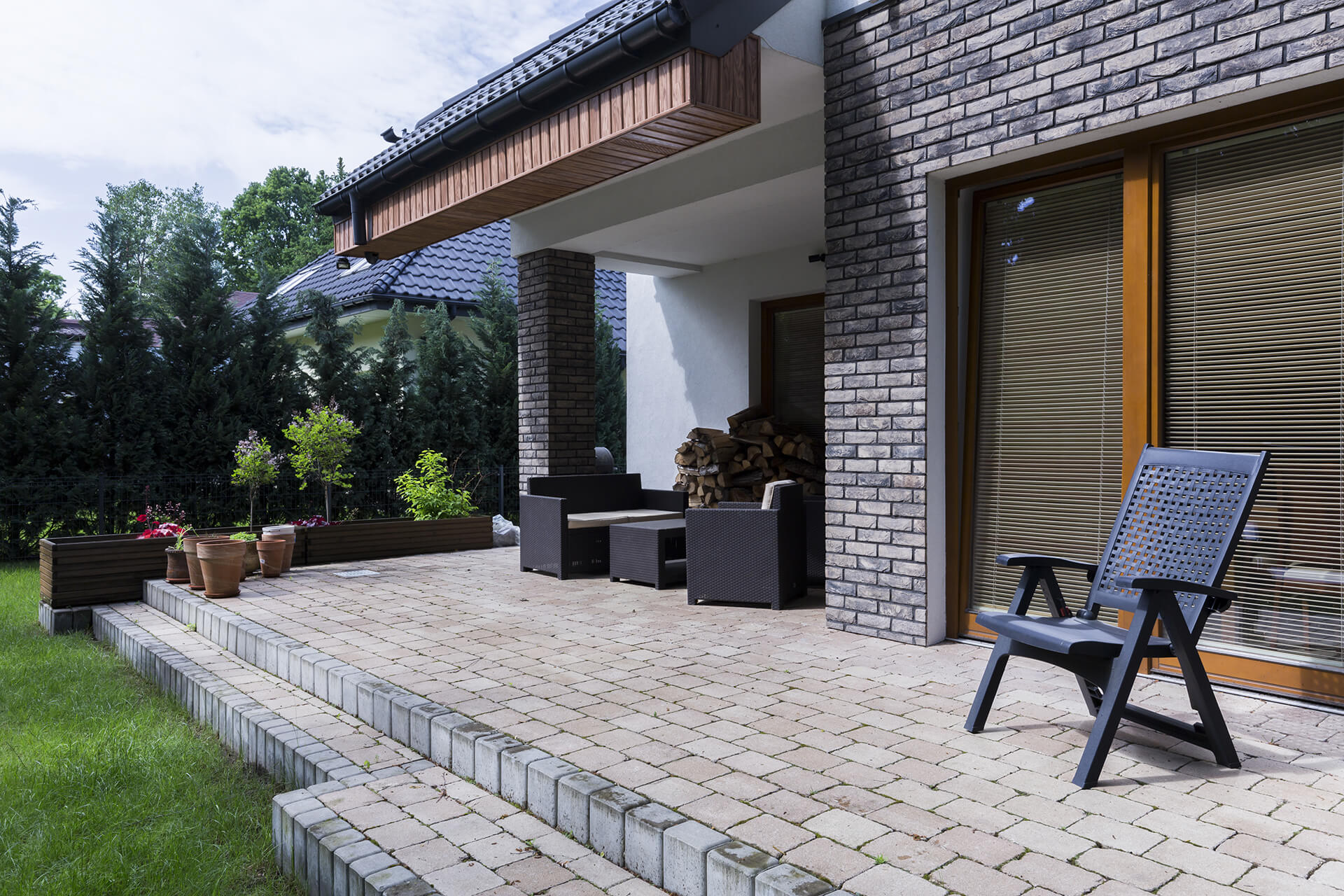
A porcelain patio gives homeowners a refined surface for outdoor dining, grilling, and gathering. It is easy to coordinate with stucco colors, outdoor kitchens, and contemporary furniture. Larger paver sizes can reduce visible joint lines, which creates a calmer, more upscale appearance.
The trade-off is that large units require a flatter, more precise base than smaller interlocking concrete pavers. If the foundation moves or the installer cuts corners during grading and compaction, wide porcelain pieces can reveal unevenness quickly. Precision is not optional here.
Pool decks and spa surrounds
The right porcelain product can be an excellent pool-deck material because it resists water absorption and is easy to clean. Many outdoor-rated options are manufactured with textured finishes intended to improve traction under bare feet. Light colors can also help the deck feel less visually harsh under Arizona sun.
However, homeowners should not assume every porcelain paver is suitable around water. Slip resistance varies by product and finish. Heat is also a real consideration: dark colors and dense surfaces can become uncomfortable in direct summer sun. A professional design conversation should include the paver’s slip rating, texture, color, pool drainage, and the amount of full-day exposure the space receives.
Walkways, courtyards, and entry areas
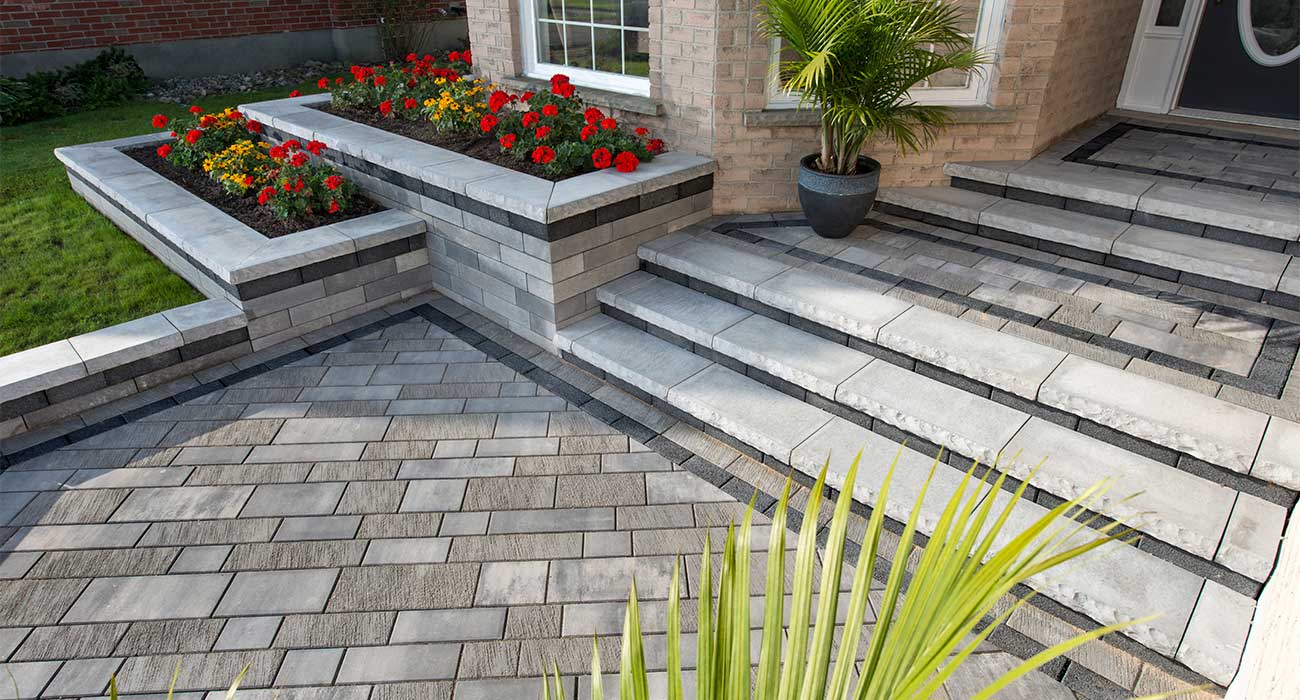
Porcelain can turn an ordinary side yard path or front entry into a standout design feature. It works well in courtyard layouts, stepping-stone paths through turf or gravel, and clean-lined walkways leading to a front door. Because porcelain holds its color and does not readily absorb spills, it is a practical option near barbecue areas and high-traffic entry points.
For driveways, the decision requires more caution. Standard porcelain pavers are not automatically designed for vehicle loads. A driveway needs a product and installation assembly rated for that use, along with a base engineered to handle repeated weight. In many cases, concrete pavers or another driveway-specific surface will be the wiser long-term choice.
The Installation Below the Surface Matters Most
A porcelain paver can be beautiful on the showroom floor and disappointing in a backyard if the installation system is wrong. Arizona soil conditions, drainage direction, irrigation patterns, and existing concrete all affect the right approach.
For a dry-laid installation over compacted aggregate, the site must be excavated to the correct depth, graded to move water away from the home, and built with a stable base. The base is compacted in controlled lifts, then topped with the appropriate bedding layer before pavers are carefully set, cut, and restrained at the edges. Joints are filled with material selected for the paver system and anticipated use.
Not every porcelain project should be dry laid. Some applications call for porcelain installed over an existing concrete slab with a specialized mortar and drainage approach. Others may use pedestal systems for elevated decks or rooftop environments. The right method depends on the setting, existing substrate, desired finish height, drainage requirements, and paver thickness.
This is why the lowest quote can become the most expensive option. A surface may look level on installation day, but weak base preparation can lead to movement, rocking pavers, poor drainage, open joints, and costly corrections later. Liberty Pavers approaches exterior surfaces as complete systems, not simply as materials placed on the ground.
Design Choices That Hold Up in Arizona
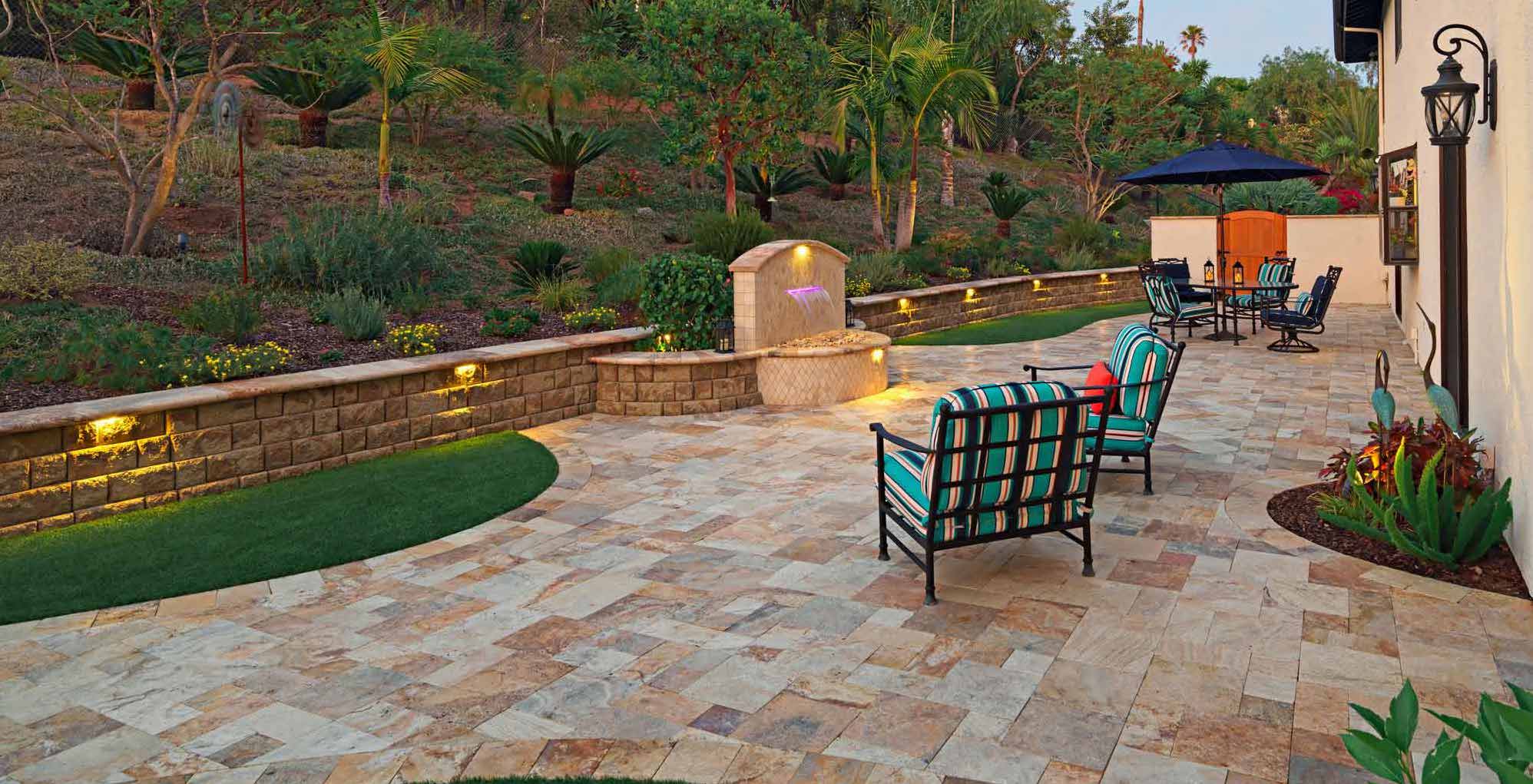
The best porcelain paver design balances the look you want with the way you actually use your property. A dramatic charcoal deck may suit a shaded courtyard, but it can feel hot and unforgiving around an exposed pool. Light beige, soft gray, sand, and cream tones often work well in Arizona because they complement desert landscapes and create a brighter visual field.
Texture should be chosen for the location. A smooth matte surface may be appropriate for a covered patio, while a more textured outdoor finish is a smarter choice for wet zones. If your household includes young children, older family members, or frequent pool guests, traction deserves the same attention as color.
Layout also changes the final result. Straight-set large-format pavers feel modern and tailored. Mixed sizes can create a more traditional stone-inspired pattern. Narrow joints deliver a sleek look but require exact installation, while wider joints can introduce contrast and support drainage strategies when the system is designed for them.
What Porcelain Pavers Cost and What Changes the Price
Porcelain pavers typically sit in the premium range of outdoor surfacing materials. The final price is influenced by more than the selected paver. Access to the yard, demolition of existing concrete, excavation depth, drainage corrections, edge restraints, cutting complexity, steps, curves, and the amount of site preparation all affect a realistic estimate.
A simple rectangular patio with clear access will cost differently than a full pool-deck renovation with removal work, custom coping, planters, retaining walls, and lighting coordination. That does not make one project better than the other. It simply means a trustworthy estimate should explain the scope instead of hiding essential preparation behind a low starting number.
When comparing proposals, ask what happens beneath the pavers, how water will be directed, what edge restraint will be used, and whether the selected porcelain is rated for the intended application. Clear answers protect your budget and your outdoor space.
Caring for a Porcelain Surface
Routine care is straightforward. Sweep away desert dust and leaves, rinse the surface as needed, and use a mild cleaner for spills or buildup. Avoid aggressive acidic products unless they are specifically approved for the paver and grout or joint material in use. If polymeric joint sand is part of the installation, follow the recommended maintenance guidance so the joints stay stable and attractive.
Pay attention to drainage rather than treating it as an afterthought. Water should not sit against the house, collect along a pool edge, or repeatedly wash out joints. Catching a drainage issue early is far simpler than repairing a settled section later.
A well-chosen porcelain surface can give your backyard the tailored finish of a custom resort while remaining practical for real Arizona living. Start with how you want the space to feel on a summer evening, then build it on the kind of foundation that lets you enjoy it for years.