

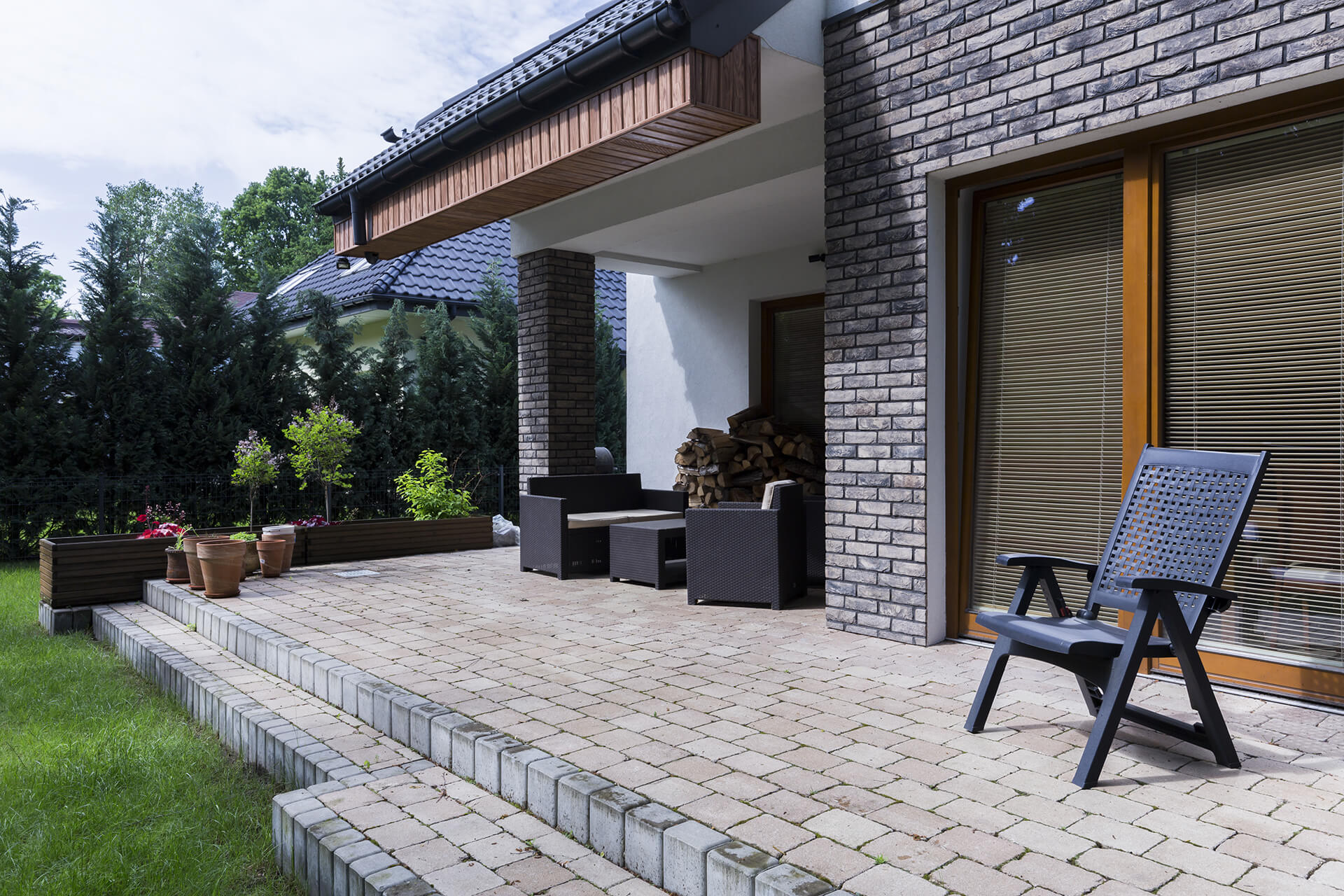
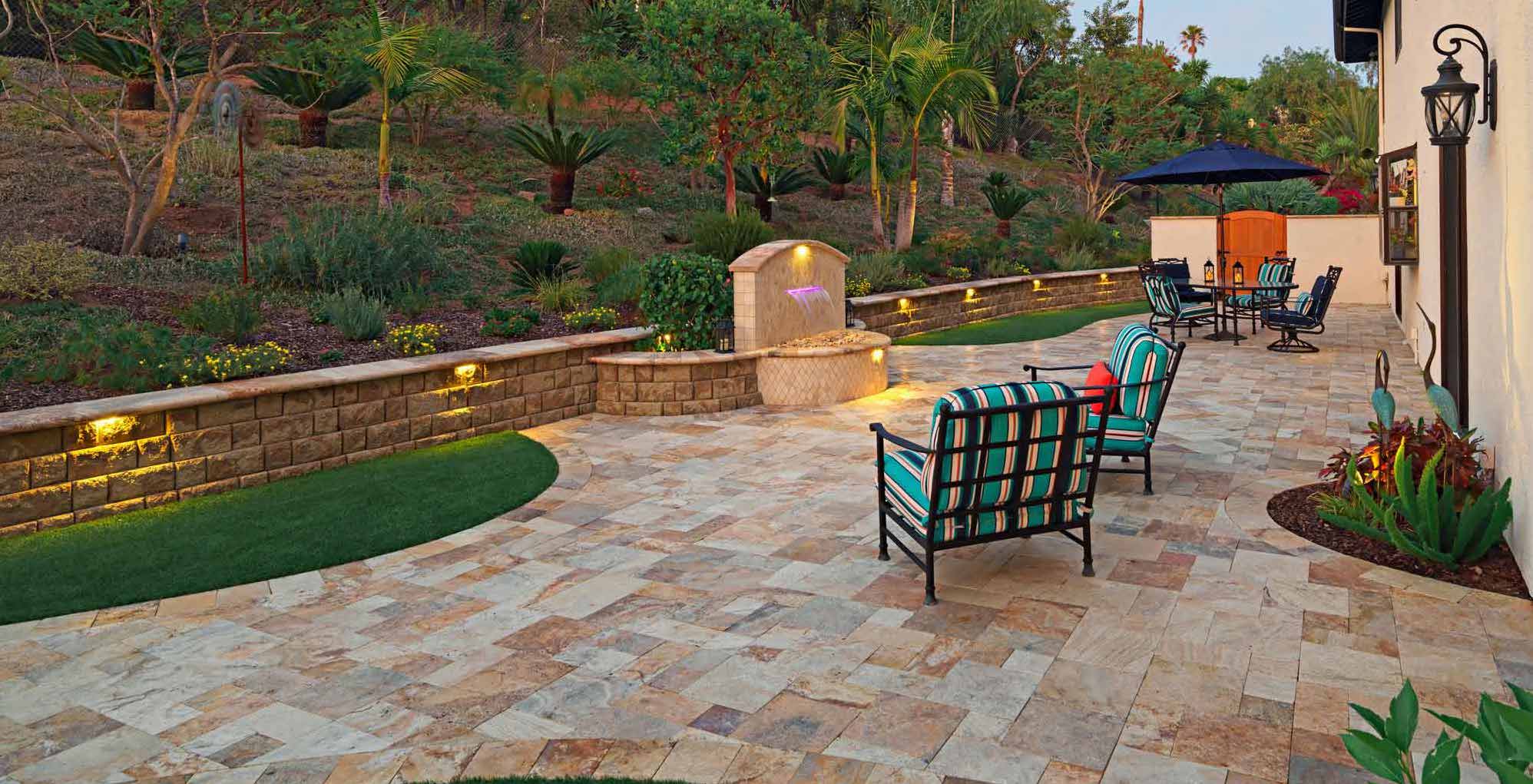
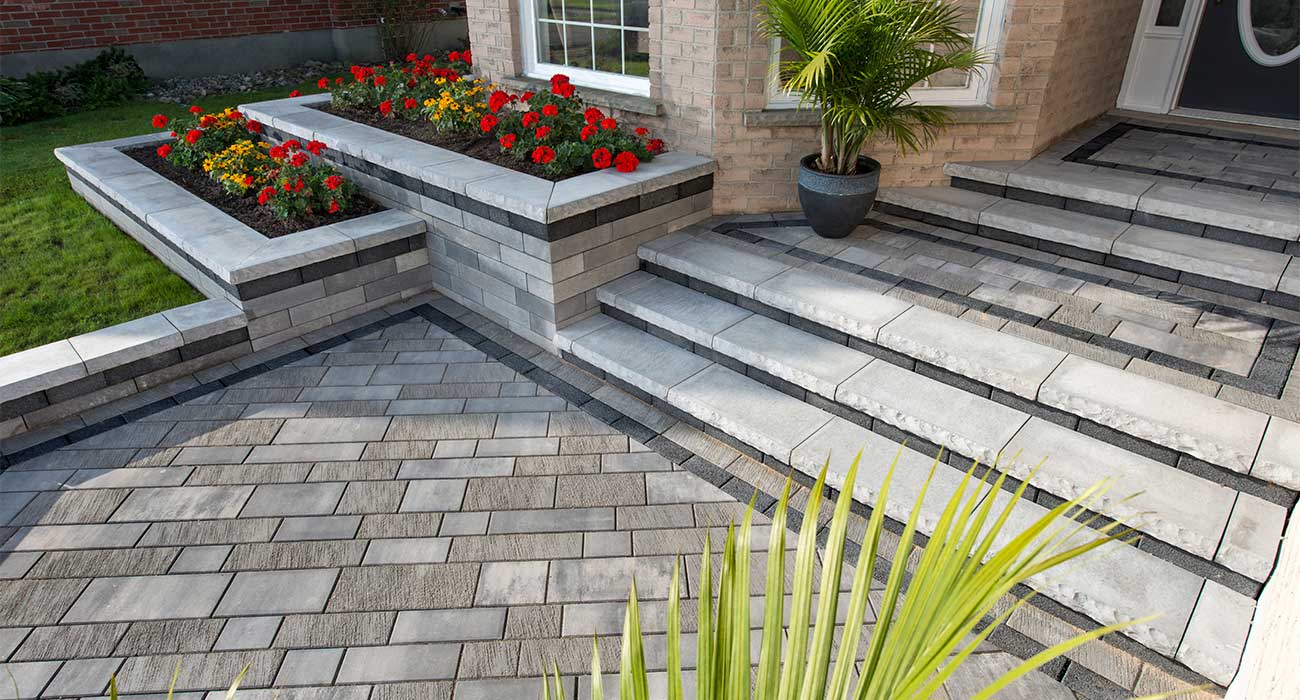
A beautiful patio can look finished the day it is installed and still fail years too soon if water has nowhere planned to go. In the Phoenix area, patio drainage has to handle long dry stretches, sudden monsoon downpours, pool splash-out, irrigation overspray, and the hard, compacted soils found in many yards. Water management is not an accessory to a patio project. It is part of the foundation that protects the surface, the home, and the investment beneath your feet.
A properly built paver patio should feel like an extension of your home: level enough for furniture and entertaining, yet carefully pitched so water moves away without creating puddles or sending runoff toward the house. That balance comes from experienced site preparation, not a quick fix after the pavers are already in place.
Why Patio Drainage Matters in Arizona
Arizona homeowners often assume a dry climate means drainage is less of a concern. The opposite is often true. Desert storms can drop a large amount of water in a short period, and dry, compacted ground may not absorb it quickly. If the patio is flat, low, or graded toward the home, that water can pond against pavers, collect near a foundation, wash out surrounding landscape material, or flow where it should not.
Standing water also puts stress on the patio system itself. It can carry joint sand away, soften poorly prepared base material, and expose low spots that become more noticeable over time. On a concrete slab, trapped water can highlight cracks and uneven settling. With segmental pavers, the individual units are durable, but their long-term performance still depends on a stable, well-draining base and proper edge restraint.
Good drainage also improves how the space feels. A patio should be ready for a family dinner, a weekend barbecue, or a quiet morning outside without muddy edges, slippery algae growth, or a puddle under the outdoor dining table. The goal is simple: move water safely and intentionally while keeping the finished space clean, attractive, and usable.
The Right Slope for Patio Drainage
The first drainage decision happens before any pavers, travertine, stone, or concrete are installed. The site must be evaluated for existing grade, nearby structures, access points, pool elevations, landscape features, and the final height of the new surface.
Most patios need a gentle slope away from the house, commonly about 1 to 2 percent. In practical terms, that is roughly 1/8 to 1/4 inch of fall per foot. The exact pitch depends on the material, the shape of the patio, existing yard elevations, and where the water can legally and safely discharge. A large entertaining patio may need water directed in more than one direction, especially when walls, planters, a pool deck, or neighboring hardscape limit the available runoff path.
The slope should be subtle. Homeowners should not feel as if furniture is sitting on a hill, but rainwater should never be encouraged to sit against the home. This is why a patio cannot simply be made “level” by eye. Proper grades are established during layout and base preparation, then checked throughout installation.
A patio that slopes away from the house can still have drainage problems if it sends water into a low corner of the yard. Every project needs a complete path for water, from the finished surface to a suitable drainage area. That may mean blending the patio grade into the surrounding landscape, shaping a shallow swale, or incorporating a dedicated drainage feature.
Drainage Solutions That Fit the Property
There is no single patio drainage solution for every Arizona backyard. A straightforward open patio with plenty of yard space may only need correct slope and a well-prepared aggregate base. A covered patio, enclosed courtyard, pool area, or backyard that sits below surrounding grades may require more planning.
Grading and surface flow
Grading is the first and most valuable tool. The patio and surrounding landscape should work together so runoff naturally travels away from the structure and does not collect along the paver edge. When a yard has enough room, this can be the cleanest solution because it avoids unnecessary drains and keeps maintenance simple.
The trade-off is that grading alone is not always enough. If the patio is bordered by a block wall, raised planter, pool coping, or neighboring property, water may have no open route to continue moving. In those situations, directing water to a controlled collection point is often the better choice.
Channel drains and catch basins
Linear channel drains are useful where water crosses a transition or collects along a patio edge, such as near a covered patio opening, garage threshold, pool deck, or low wall. They collect surface water and move it through a connected drain line to an approved discharge location.
Catch basins serve a similar purpose at concentrated low points. They can be effective when a patio must drain toward one contained area, but they should be sized and placed thoughtfully. A small drain box may not keep up with a strong monsoon storm if the entire yard funnels toward it.
French drains and subsurface drainage
A French drain uses a perforated pipe surrounded by gravel to collect water below the surface and guide it away. This approach may help where water saturates the base area or where a low landscape zone stays wet after irrigation. It is not a substitute for proper surface slope. If rainwater is visibly ponding on the patio, the finished grade must be addressed first.
Permeable paver systems
Permeable pavers are designed with wider, aggregate-filled joints that allow water to pass through the surface into a specially constructed open-graded base below. For the right property, they can reduce surface runoff and help manage stormwater without giving up the beauty and flexibility of pavers.
They are not automatically the best fit for every patio. The base must be engineered and installed correctly, surrounding soil conditions matter, and the joints need periodic maintenance to remain open. In areas with heavy sediment or loose decomposed granite nearby, fine material can clog the system if the landscape is not designed to protect it.
What Proper Paver Preparation Looks Like
The finished paver pattern gets the attention, but the preparation beneath it determines whether the patio stays attractive and drains as planned. A quality installation starts with excavation to the appropriate depth, removal of unsuitable material where needed, and careful compaction of the subgrade.
From there, the base is installed in controlled lifts and compacted to create a stable, consistent foundation. The base is shaped to maintain the intended drainage slope, not flattened out before pavers are placed. A bedding layer provides final adjustment, while edge restraints hold the system together at the perimeter. Joint sand is then swept into the pavers to help lock the surface in place.
Each layer has a job. Skipping or rushing any part of the process can create low spots, shifting edges, drainage failures, and costly repairs later. Adding more sand to a sunken area or caulking a crack might hide a symptom, but it will not correct a base that was never prepared properly.
For homes with challenging site conditions, preparation may also include removing old concrete, rebuilding transitions at door thresholds, accommodating pool equipment, or tying new hardscape into existing walkways and artificial turf. These details are where experienced planning protects the entire outdoor space, not just the patio itself.
Signs Your Patio May Have a Drainage Problem
Some drainage problems are obvious after the first major storm. Others build slowly and become visible as the patio settles. Watch for water that remains on the surface long after rainfall, pavers that dip or rock underfoot, joint sand washing out, staining along the patio edge, or moisture collecting near the foundation.
You may also notice water flowing toward a sliding door, pooling around pool decking, or cutting channels through adjacent gravel or turf. These are not issues to ignore, especially before Arizona’s monsoon season. The sooner the cause is identified, the more likely the correction can be targeted instead of turning into a full rebuild.
A professional evaluation should look beyond the puddle itself. The real source may be an improperly sloped patio, a clogged or undersized drain, irrigation aimed at the hardscape, landscape grade that traps runoff, or a base that has settled below the intended elevation.
Plan Drainage Before You Choose the Finish
Travertine, concrete, brick, natural stone, and pavers can all create standout outdoor living spaces. The best choice depends on the desired appearance, budget, maintenance expectations, and how the patio will connect to the rest of the property. But material selection should never come before drainage planning.
For example, a pool patio may prioritize cooler-feeling travertine and non-slip textures, while a backyard entertaining area may benefit from the design flexibility and repairability of interlocking pavers. Both still need the right grades, base preparation, and water path. A fire pit, retaining wall, built-in seating area, or artificial turf section can change drainage patterns as well, so the entire backyard should be considered as one system.
Liberty Pavers approaches outdoor projects with that full-picture mindset, from design and material selection to the preparation work beneath the surface. A clear plan and a fixed estimate give homeowners confidence before construction begins, while quality installation helps the finished patio perform through Arizona heat and seasonal storms.
Your patio should direct water quietly, without calling attention to itself. When the grading, base, pavers, and surrounding landscape work together, you get the part that matters most: more time enjoying a backyard built for gathering, relaxing, and standing out from the norm.