

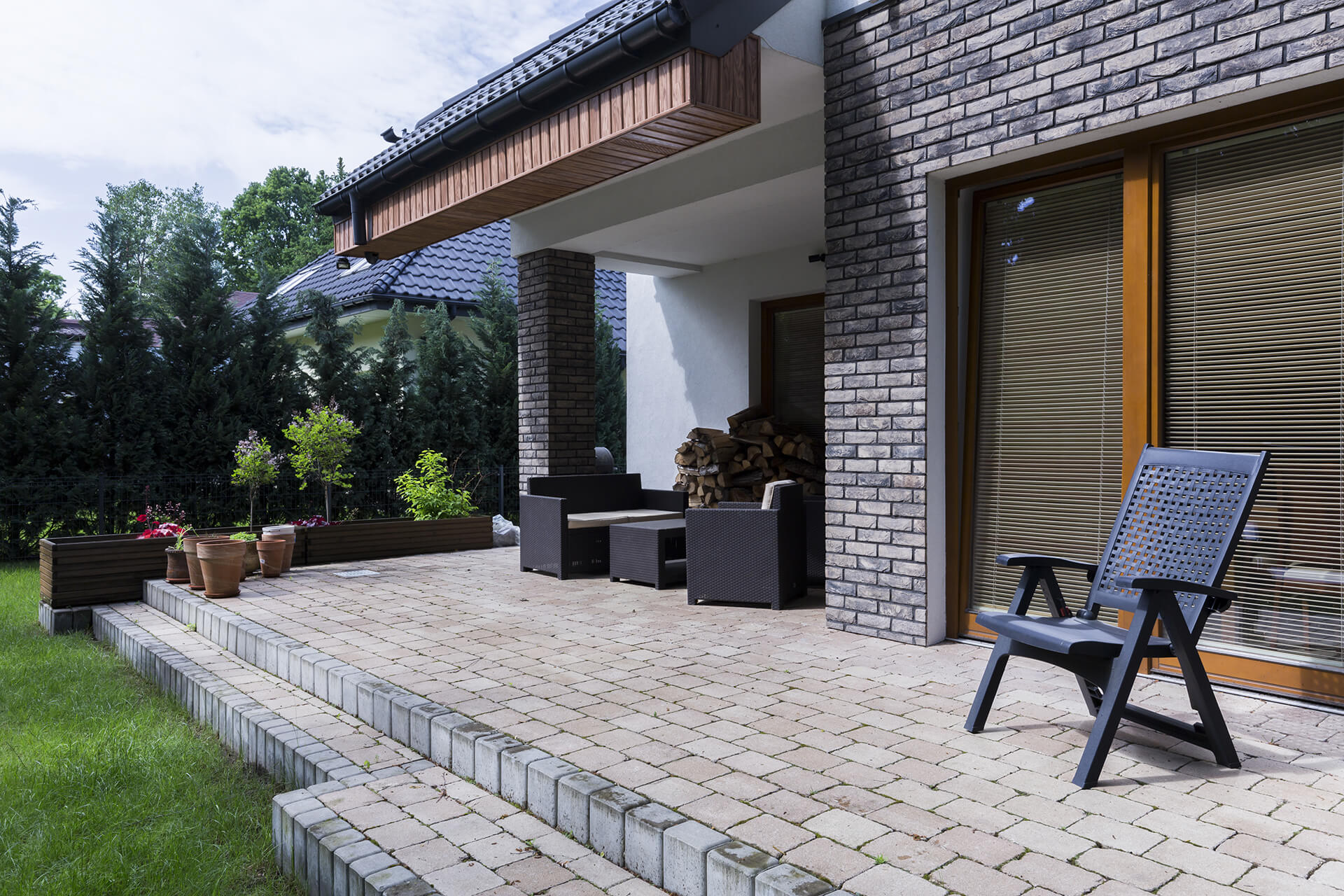
A patio in the Phoenix area has to handle more than weekend barbecues. It faces intense sun, monsoon rain, pool traffic, furniture legs, pets, and the daily expansion and contraction that come with desert heat. Knowing how to choose patio pavers means looking beyond a color sample and choosing a complete surface system built for the way your family uses the yard.
The right pavers can turn a plain backyard into a defined outdoor living space for dining, gathering, grilling, and relaxing. The wrong choice can leave you with a surface that feels too hot, gets slick near the pool, clashes with the home, or needs attention sooner than it should. Start with your goals, then let performance, preparation, and design guide the decision.
Start With How You Will Use the Patio
A patio beside the kitchen has different demands than a pool deck, fire-pit circle, or side-yard walkway. Before choosing a paver shape or material, picture the space in use. Will it hold a large dining table? Do you want room for lounge chairs, a grill, and foot traffic? Will children run through the area with wet feet? Is the patio part of a larger backyard upgrade with artificial turf, retaining walls, or an outdoor kitchen?
Function affects the size of the patio, the paver layout, surface texture, and even the best color range. A poolside area benefits from a comfortable, slip-resistant finish. A dining patio needs a relatively even surface so chairs move easily. For a fire feature, materials must be selected and installed with proper clearances and a layout that makes the gathering area feel intentional.
It also helps to think ahead. A patio that fits a small bistro set today may feel undersized once you add a pergola, outdoor kitchen, or larger seating area. Planning the full outdoor space at the beginning often creates a cleaner result and can avoid having to match materials later.
Choose a Material That Fits Arizona Conditions
There is no single best patio paver for every property. Each material offers a different balance of appearance, traction, heat performance, maintenance, and cost.
Concrete Pavers
Concrete pavers are a popular choice for Arizona patios because they offer dependable performance and broad design flexibility. They come in many shapes, colors, textures, and patterns, from clean contemporary slabs to traditional cobble-style profiles. Individual units can also be lifted and replaced if a repair is ever needed, unlike a cracked section of poured concrete.
For most residential patios, concrete pavers provide an excellent mix of value and durability. The key is using quality pavers and installing them over a properly prepared base. The surface gets the attention, but the layers underneath do the hard work of supporting it.
Travertine Pavers
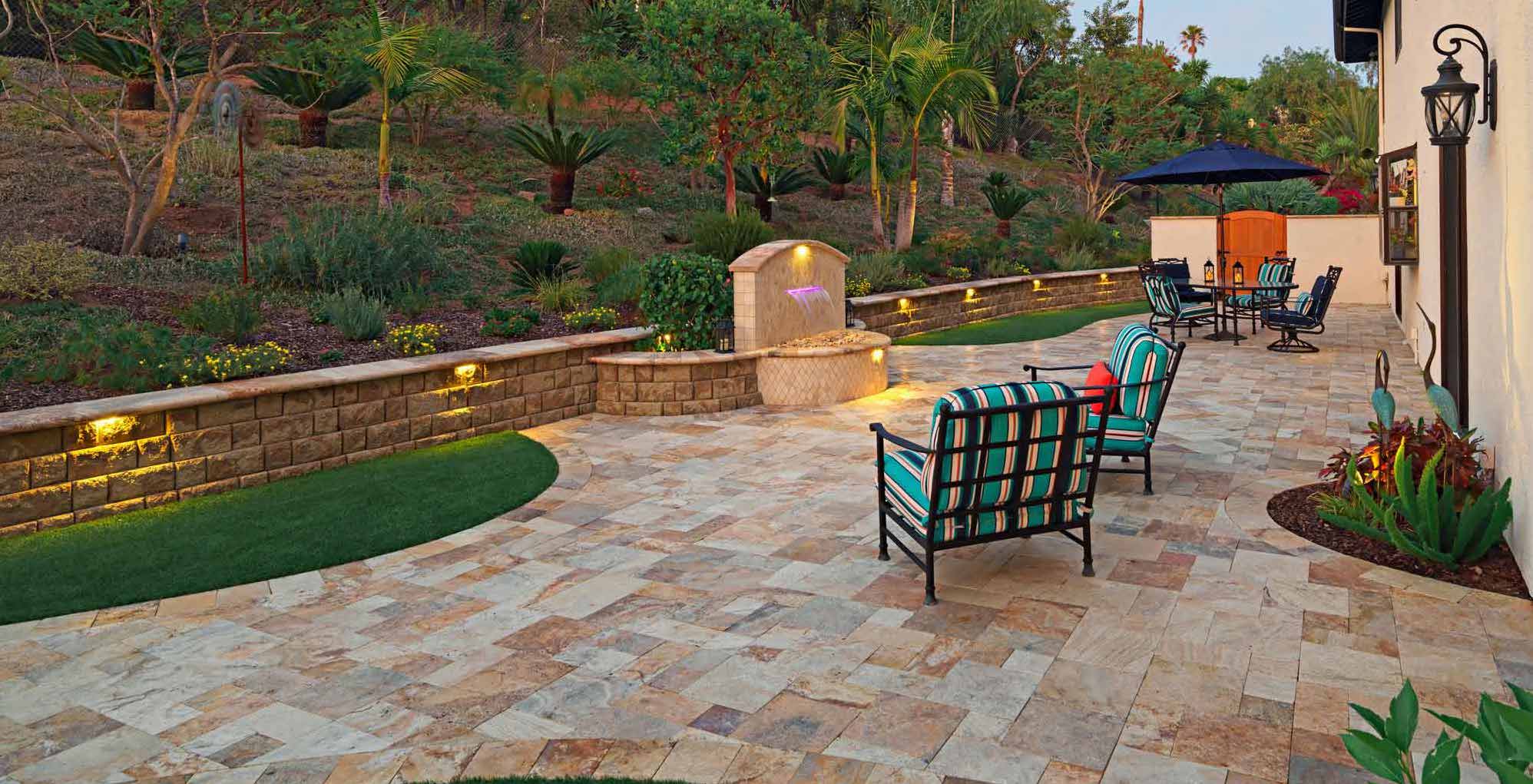
Travertine brings a natural, upscale look to patios and pool decks. Many homeowners like its light, earthy tones and its ability to stay more comfortable underfoot than darker, denser surfaces in direct sun. Its naturally textured finish can also provide useful traction around water.
Travertine requires thoughtful material selection and installation. Natural stone varies from piece to piece, which is part of its appeal, but it also means the finished patio needs an installer who understands layout, grading, cuts, and the right setting method. It is an especially strong choice when the goal is a resort-style pool area or a refined backyard entertaining space.
Brick and Natural Stone
Brick can create warmth and traditional character, while natural stone offers one-of-a-kind color movement and texture. Both can be beautiful choices for courtyards, walkways, accent borders, and patios designed around older or more distinctive architecture.
These materials may cost more than standard concrete pavers and can involve more labor for cutting and fitting. They are worth considering when their character supports the home and the homeowner wants a surface that feels less uniform than manufactured pavers.
Select Colors That Work in Full Sun
Arizona sunlight changes how every paver color looks. A sample viewed indoors or in shade may appear very different across a large patio at noon. Whenever possible, view material samples outside and next to your home’s stucco, trim, roof, and landscape features.
Lighter shades such as sand, cream, ivory, tan, and soft gray generally reflect more heat than deep charcoal or dark brown. That does not mean every patio must be pale. Mid-tone blends can hide dust and everyday debris well while still helping the space feel cooler and brighter. The right choice depends on sun exposure, the color of the house, and how much barefoot traffic the patio receives.
Avoid choosing a color only because it is trending. A patio is a long-term feature, and it should complement permanent parts of the property. Neutral field pavers with a darker border often give homeowners design interest without locking the entire backyard into a bold color choice.
Consider Texture, Traction, and Barefoot Comfort
Patio pavers should look good, but they also need to feel right underfoot. Smooth, polished materials can be attractive in a covered entertaining area, yet they may not be the best fit close to a pool. Textured concrete pavers, tumbled finishes, and many travertine options offer better grip while maintaining a finished appearance.
Texture involves a trade-off. Highly textured pavers can improve traction, but they may be less comfortable for bare feet or make moving furniture slightly harder. For a multipurpose patio, a moderate texture is often the sweet spot: enough grip for daily use without making the space feel rough.
Pay attention to joints as well. Consistent joint spacing and properly installed joint sand help keep the surface stable, reduce movement, and create a patio that feels solid as you walk across it.
How to Choose Patio Pavers by Size and Pattern
Paver size and pattern affect more than style. Large-format pavers can make an open backyard feel modern and expansive, especially with clean lines and minimal color variation. Smaller units and varied-size patterns can add movement, create a more traditional look, and work well around curved edges or detailed landscape features.
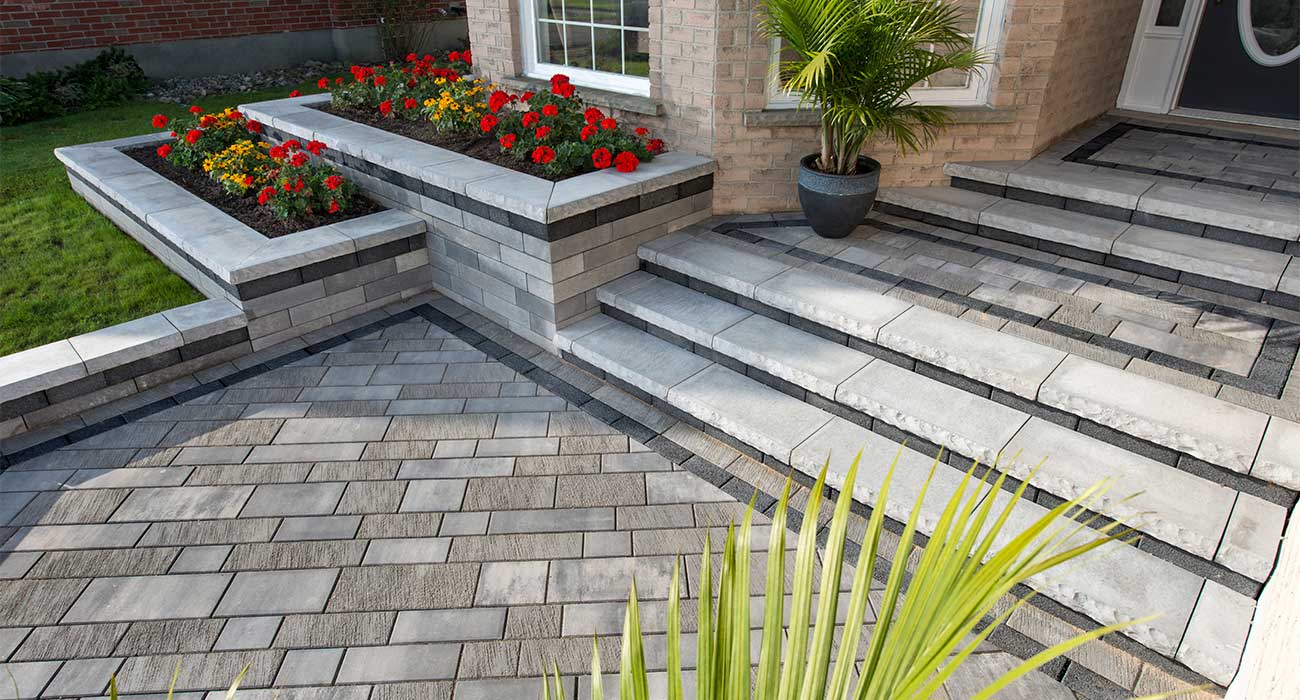
A simple running bond or stacked pattern often suits contemporary homes. A modular pattern with multiple sizes can soften a large patio and create visual interest without needing several colors. Borders are also useful. They can frame the patio, echo the home’s trim color, define a fire-pit area, or separate the hardscape from turf and planting beds.
The best pattern fits the home rather than competing with it. A sleek Scottsdale-style exterior may call for larger pavers and restrained tones, while a more rustic Mesa or Queen Creek backyard may look right with tumbled edges and warmer blends. Your patio should feel like it belongs to the property, not like it was added as an afterthought.
Do Not Overlook Base Preparation and Drainage
The most expensive paver will not perform well over a weak foundation. Proper excavation, grading, compacted aggregate base, edge restraints, bedding material, and joint stabilization are what help a segmental paver patio resist settling and shifting over time.
This matters in Arizona, where hard, dry soil and sudden monsoon storms can expose poor preparation quickly. Water should move away from the home and away from structures without creating low spots on the patio. A skilled installer plans drainage before the pavers are placed, not after water begins collecting near the foundation.
Ask your contractor how deep the excavation will be, what base material will be used, how it will be compacted, and how the finished surface will drain. Clear answers are a good sign that the proposal covers the work below grade, not just the visible finish.
Set a Budget Around the Complete Project
Patio paver pricing includes more than the material itself. Site access, demolition, excavation, base preparation, grading, drainage needs, cuts, borders, steps, curves, and the size of the project all affect the final investment. Features such as seat walls, fire pits, lighting, turf transitions, and pergola footings can also change the scope.
A lower initial price is not always the better value if it reduces preparation work or skips important details. Pavers are designed as a system. When the base and edge restraints are handled correctly, the patio is better positioned to deliver long-term performance and easier repairability than a basic poured concrete slab.
Request a fixed, detailed estimate that explains what is included. That gives you a more honest comparison between bids and helps prevent surprises once the project begins.
Make Maintenance Part of the Decision
Paver patios are relatively low maintenance, but they are not maintenance-free. Routine sweeping, occasional rinsing, and prompt cleanup of spills help preserve the appearance of the surface. Depending on the material and exposure, sealing may be an option for enhancing color, easing cleanup, or adding protection, but it should be chosen for the specific paver rather than treated as a universal requirement.
Over time, joint sand may need to be refreshed in high-use areas. The advantage of a paver system is that an individual unit can often be addressed without tearing out an entire patio. That flexibility is valuable for homeowners who want an attractive surface built to serve the yard for years.
A well-designed patio starts with your lifestyle and ends with the workmanship underneath every paver. If you are ready to make your backyard more useful, comfortable, and memorable, Liberty Pavers can help you compare materials, plan the details, and get a clear quotation for a patio built for Arizona living.