

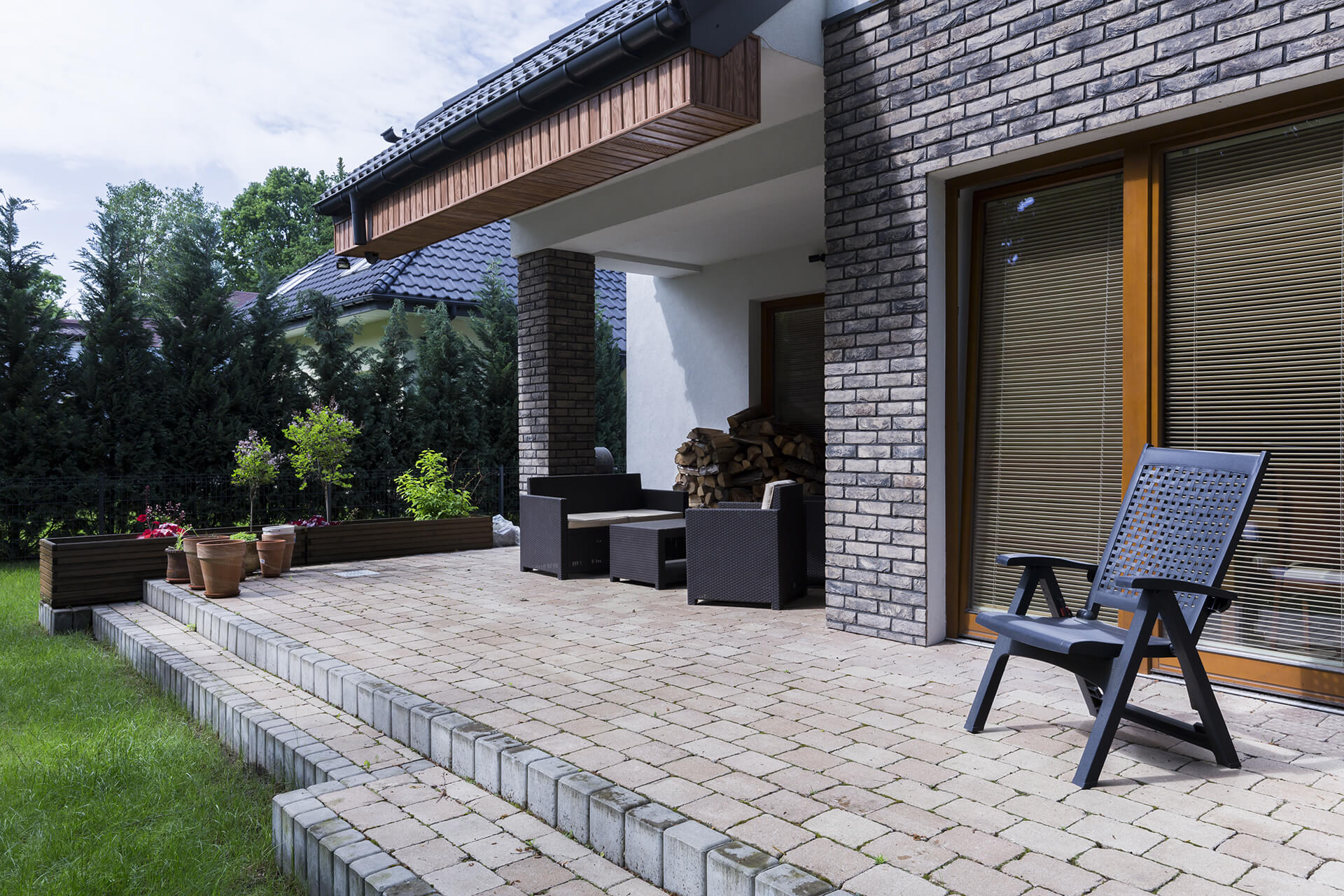
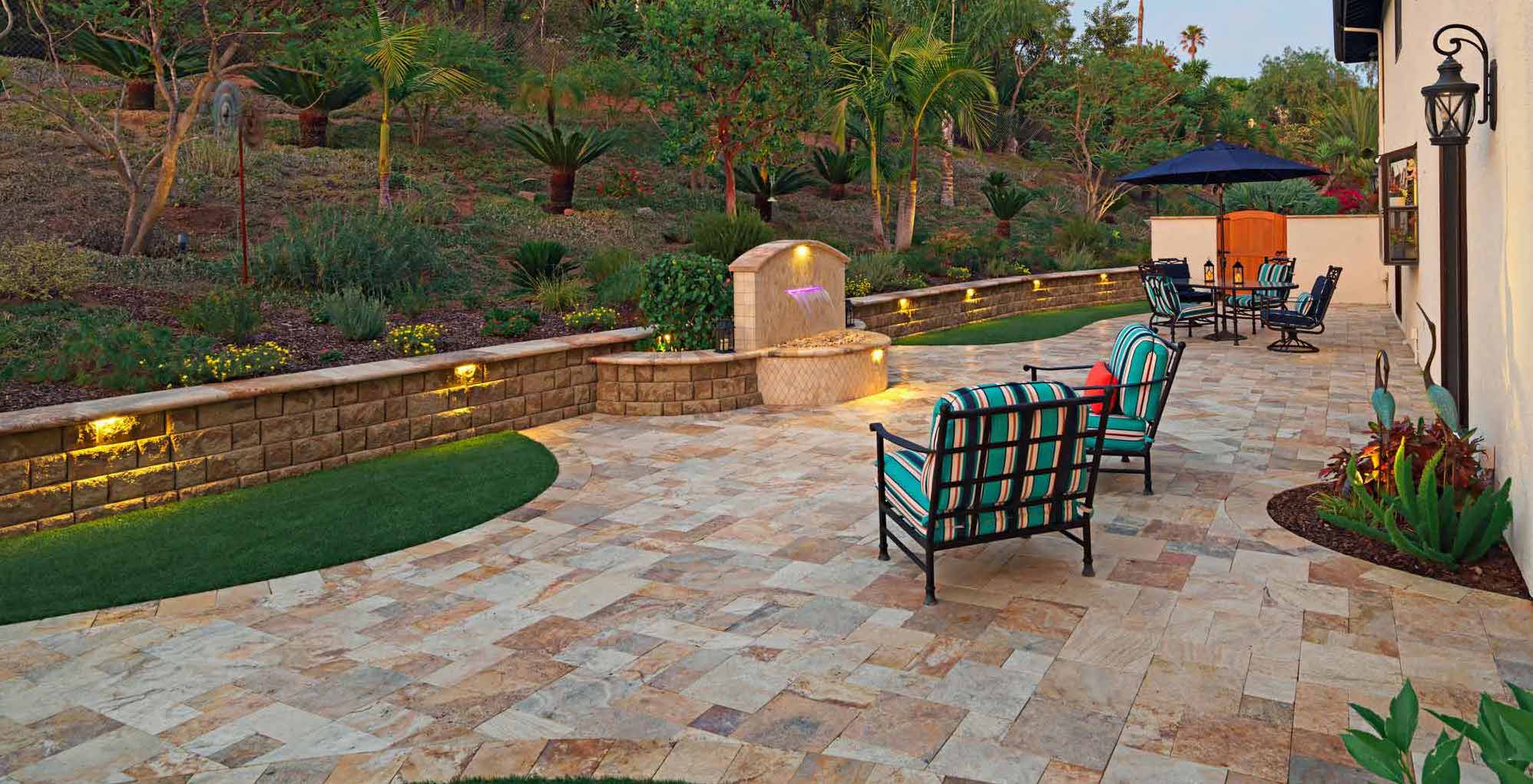
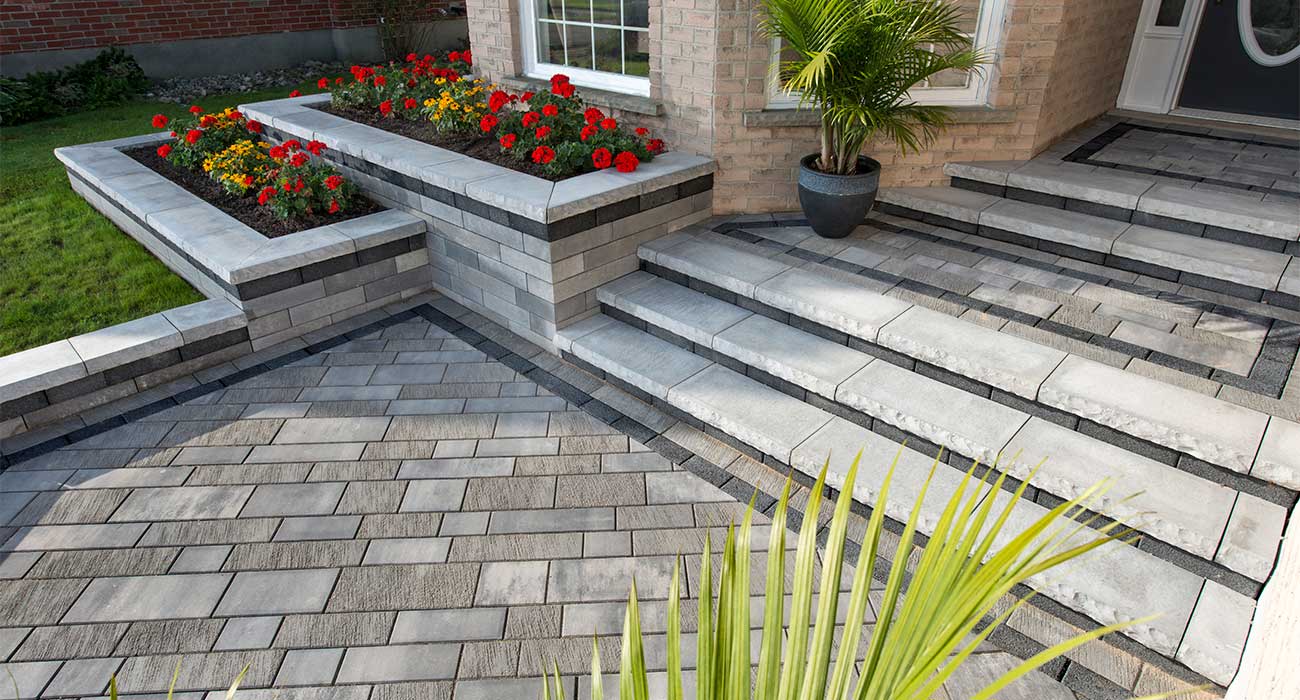
A pool deck has to handle more than splashing and bare feet. In Arizona, it also faces punishing sun, sudden monsoon rain, pool chemicals, patio furniture, and the daily traffic of family and guests. So, are pavers safe around pools? When the right materials are selected and installed over a properly prepared base, they can be one of the safest, most attractive choices for an Arizona backyard.
The key is not simply choosing pavers because they look better than plain concrete. Pool-deck safety comes down to surface texture, drainage, heat performance, stable installation, and the details that keep every paver locked in place for years. A beautiful deck should make your pool feel like a masterpiece, but it also needs to give people a confident place to walk.
Are Pavers Safe Around Pools? Yes, With the Right System
Quality concrete pavers, natural stone, brick, and travertine can all work around a pool, but they do not perform exactly the same way. The safest choice depends on your deck layout, shade exposure, pool use, preferred design, and how much direct Arizona sun the area receives.
Unlike a single poured concrete slab, a paver deck is made of individual units installed on a compacted base with carefully designed jointing and edge restraints. That segmental system has a practical advantage: it can accommodate minor ground movement without creating the large, sharp cracks that often develop in conventional concrete. If a repair is ever needed, individual pavers can usually be removed and reset instead of tearing out an entire section of deck.
Still, pavers are not automatically slip-proof. No exterior pool surface is. Water, sunscreen, spilled drinks, algae, and smooth finishes can make any deck slick. The goal is to select a product with useful texture and install it with the slope, drainage, and finishing details that reduce standing water.
What Makes a Pool Deck Safer Underfoot
A safe pool deck feels stable under bare feet, sheds water effectively, and stays comfortable enough to use on a hot afternoon. Those qualities begin long before the visible pavers are laid.
Texture Creates Better Traction
For most pool areas, textured concrete pavers are a practical choice because their surface provides more grip than highly polished stone or glazed tile. Tumbled pavers, lightly textured finishes, and certain natural-stone products can also offer a more secure walking surface while giving the backyard a custom look.
Avoid choosing material based on color alone. A sleek, polished finish may look striking in a showroom, yet become less forgiving when wet. A qualified hardscape contractor can show you samples and help compare texture in real outdoor conditions, not just under indoor lighting.
Travertine remains a popular pool-deck material in the Phoenix area for good reason. It has a naturally textured face and can stay more comfortable than many dense, dark surfaces. However, not every travertine finish is appropriate for every pool deck. The stone should be selected, installed, and sealed correctly for an exterior wet area.
Proper Drainage Prevents Standing Water
Water should move away from the house and away from areas where people enter or exit the pool. A paver deck needs intentional grading, typically with a gentle slope that directs surface water toward appropriate drainage areas. This is especially important during monsoon storms, when a flat-looking backyard can quickly reveal where water wants to collect.
The joints between pavers can also help manage moisture. Depending on the system and site conditions, properly installed joints and permeable design options can allow water to move through the surface rather than sit on top of it. That does not replace a thoughtful drainage plan, but it can support a drier, cleaner deck.
Poor drainage is not just an inconvenience. Puddles increase slip risk, encourage algae and mineral buildup, and can weaken the base over time. The preparation beneath the pavers matters just as much as the finished color above them.
A Stable Base Keeps the Surface Even
A loose or uneven paver is a trip hazard, whether it is beside a pool or at the front entry. That is why professional base preparation is the foundation of a safe installation. The existing soil must be evaluated, excavated to the appropriate depth, graded, and compacted before the base materials and bedding layer are installed.
In Arizona, expansive soils, irrigation leaks, and temperature swings can all affect exterior surfaces. A workmanship-first paver installation accounts for those conditions rather than covering them up. Secure edge restraints, accurate cuts around curves and equipment, and properly compacted joints help keep the deck tight and level.
This is where a lower upfront quote can become expensive later. A deck that skips excavation, uses insufficient base material, or ignores drainage may look good on installation day. When pavers begin to settle, separate, or rock underfoot, the original savings disappear quickly.
Heat Matters Around Arizona Pools
Slip resistance gets most of the attention, but heat is also a safety issue. A pool deck that becomes painfully hot limits how often your family can enjoy the space and can cause burns to bare feet.
Color makes a real difference. Light-colored pavers and natural stone generally absorb less heat than dark charcoal, deep brown, or black surfaces. That does not mean every pool deck needs to be pale beige. A skilled design can use lighter field pavers in the main walking areas, then bring in darker borders or accent bands where they will not dominate the surface temperature.
Material density and finish matter, too. Travertine is often chosen because it can feel cooler underfoot than many traditional concrete options. Textured concrete pavers offer excellent design flexibility and durability, particularly when homeowners want coordinated patios, walkways, fire-pit areas, and pool coping. The best choice is the one that balances heat, traction, maintenance expectations, and your overall backyard style.
Pool Coping and Edges Need Special Attention
The pool edge is where wet feet, jumping children, and daily entry create the most demanding conditions. Coping should be securely installed, comfortable to grip, and detailed to avoid sharp edges or unstable overhangs. Bullnose pavers, stone coping, and other purpose-made pool-edge materials can create a finished transition between water and deck.
The deck should also leave room for movement joints and proper separation from the pool structure. This is not a detail to improvise. Pool shells, surrounding soils, and deck materials can move differently as temperatures and moisture levels change. Correct installation protects the finished look while reducing stress on both the pavers and the pool perimeter.
If you are updating an older pool deck, inspect the area around skimmers, drains, handrails, and equipment pads. These transitions often need custom cuts and careful planning so the new deck looks intentional and remains easy to use.
Maintenance Helps Preserve Pool-Deck Safety
Pavers are relatively low maintenance, but low maintenance does not mean no maintenance. Regular care keeps the surface cleaner, more attractive, and safer to walk on.
Sweep away leaves and debris before they break down in damp corners. Rinse off sunscreen, food spills, and pool-water residue as needed. If you notice algae, mildew, or slick buildup in shaded areas, address it promptly with a cleaner appropriate for the paver or stone material. Avoid aggressive cleaning methods that can damage the surface, strip joint material, or alter the finish.
Joint sand may need periodic replenishment, especially after heavy rains or frequent cleaning. Sealing can be useful for certain materials and desired finishes, but the wrong sealer can create an unwanted sheen and reduce traction. A pool-deck sealer should be chosen for wet exterior use, not simply for color enhancement.
Take a quick walk around the deck each season. Look for settled areas, loose coping, drainage changes, or joints that need attention. Small adjustments are easier and more affordable than waiting for a minor issue to become a larger repair.
Choosing Pavers for Your Pool Area
A pool deck should match the way you live outside. A family with young children may prioritize cooler colors and extra-textured surfaces. Homeowners who entertain frequently may want wide walkways, generous lounge areas, integrated planters, and a paver design that continues into a covered patio or outdoor kitchen. For a compact yard, the right pattern and border can make the pool area feel larger without sacrificing safe circulation space.
Before choosing a material, consider how the deck will look at noon in July, how water will drain during a monsoon, and how it will connect to your doors, gates, turf, and existing landscape. Those practical questions create a better result than selecting from a color board alone.
Liberty Pavers designs pool decks around those details, with careful site preparation, clear estimates, and materials selected for Arizona outdoor living. The right deck should not make you choose between a standout backyard and confident footing. It should give your family a comfortable place to gather, cool off, and enjoy the pool season after season.
If your current concrete is cracked, hot, or collecting water, a professionally designed paver pool deck can turn that problem area into the part of the backyard everyone wants to use.