

A cracked concrete driveway, a bare dirt backyard, or a worn pool deck can make an otherwise beautiful Arizona home feel unfinished. So, do pavers increase home value? In many cases, yes – especially when they improve the way a buyer sees, uses, and maintains the outdoor space. The return is not automatic, and no hardscape project guarantees a dollar-for-dollar increase at resale. But quality pavers can make a property more attractive, more functional, and easier to market.
For Phoenix-area homeowners, that matters. Outdoor living is not a short summer season here. Patios, walkways, pool decks, and driveways are visible every day and used nearly year-round. A thoughtfully designed paver installation can help your home stand out from the norm while protecting your investment in the long term.
Do Pavers Increase Home Value? What Buyers Notice First
Buyers often form an opinion about a home before they step through the front door. The driveway, entry walk, front patio, and landscape condition create the first impression. Pavers give these areas dimension, color, pattern, and a finished look that basic poured concrete rarely delivers.
A clean paver driveway or walkway tells buyers that the exterior has been cared for. It can complement the home’s architecture, frame desert landscaping, and create a stronger sense of arrival. That visual distinction can be particularly valuable in neighborhoods where many homes have similar elevations and standard concrete surfaces.
In the backyard, pavers turn open space into a usable destination. A patio with room for dining, grilling, and conversation helps buyers picture weekends with family and friends. Around a pool, a properly planned paver deck can make the entire yard feel more polished and intentional. Buyers are not only evaluating square footage – they are evaluating lifestyle.
The value boost is often indirect but meaningful. A better first impression can encourage more showings, stronger offers, and less hesitation from buyers who do not want to inherit an outdoor renovation project.
Why Pavers Can Be a Smart Arizona Upgrade
Arizona heat is hard on exterior surfaces. Concrete can crack, stain, settle, and show wear over time. While pavers are not maintenance-free, a professionally installed segmental paver system has practical advantages that appeal to homeowners and future buyers.
Individual pavers are designed to work together over a prepared base. When the site is excavated correctly, graded for drainage, compacted in layers, and finished with proper edge restraint, the surface has flexibility that monolithic concrete does not. If a localized area ever needs attention, individual units can often be lifted, the base corrected, and the pavers reinstalled without replacing the entire surface.
That repairability is a real selling point. A buyer looking at a large concrete crack may see a costly and disruptive replacement ahead. A buyer looking at a well-maintained paver surface may see a durable outdoor feature with a clear path for future service if needed.
Pavers can also improve traction around pools, entries, and patios. Material selection matters, particularly for pool decks exposed to intense sun and frequent foot traffic. The right paver, travertine, or textured surface can balance appearance, comfort, and slip resistance for the way your family actually uses the yard.
The Installation Beneath the Pavers Protects the Investment
Not all paver projects add the same value. The pattern and color get attention, but the preparation below the surface determines whether the finished area performs over time.
A low bid can be tempting, especially when several contractors offer similar-looking materials. Yet a paver installation with inadequate excavation, poor compaction, weak edge restraint, or improper drainage may shift, settle, or develop low spots. Those problems can quickly take away the polished appearance that made pavers appealing in the first place.
A workmanship-first installation starts with the site. Existing soil conditions, slopes, drainage paths, intended vehicle loads, and nearby structures all need to be considered. A driveway requires a different base design than a pedestrian walkway. A pool deck needs careful planning around elevations and water movement. A patio should connect naturally to doors, outdoor kitchens, turf areas, and shade structures without trapping water against the home.
This is where experienced design-and-build work pays off. A surface that looks great on installation day is only part of the job. The goal is a hardscape that still looks level, drains properly, and supports daily use years later.
Which Paver Projects Add the Most Appeal?
The best project depends on what is currently holding your property back. A front-yard improvement may have the greatest impact when curb appeal is weak. A backyard transformation may make more sense when the home already has a strong exterior but lacks a place to entertain.
Driveways are high-visibility upgrades because they cover a large area and affect the entire front elevation. A custom paver driveway can give a home a more upscale appearance, particularly when it is paired with a coordinated entry walk or border detail. Because driveways carry vehicle weight, installation quality is essential.
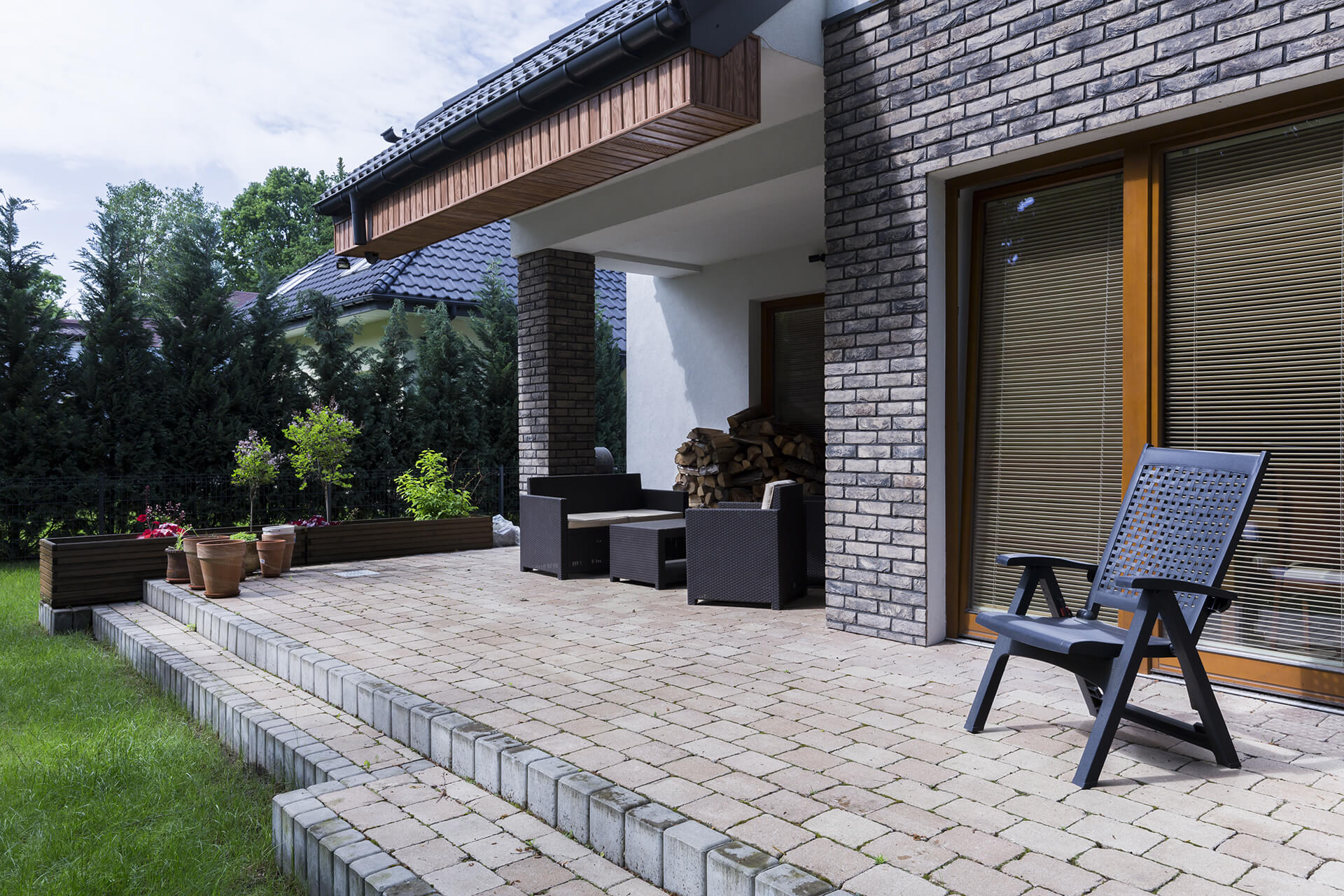
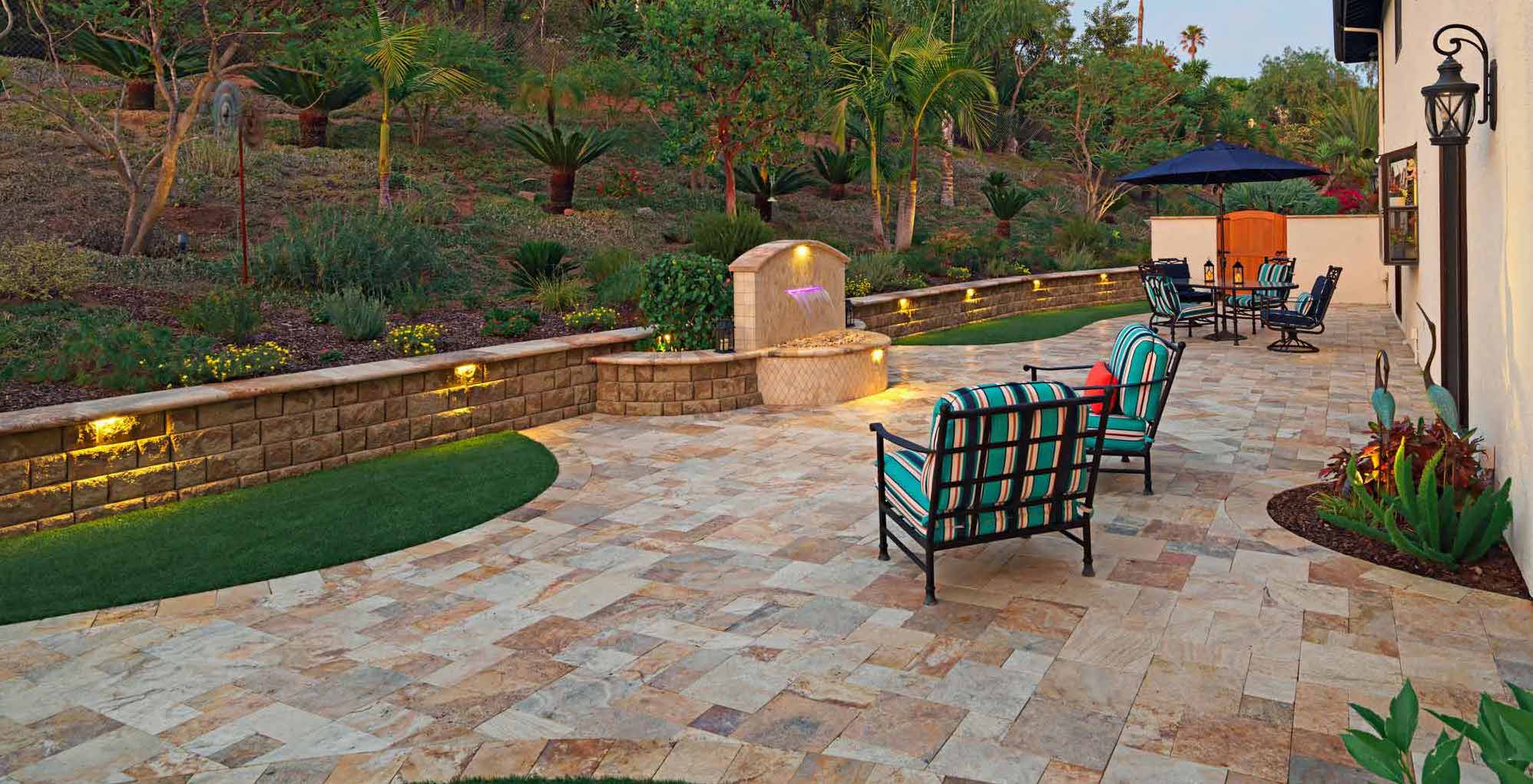
Patios are often the strongest lifestyle upgrade. They can define an outdoor dining area, connect a home to a fire pit, create a base for furniture, or make a backyard feel larger and more usable. In the Phoenix metro area, a patio that blends pavers with artificial turf, masonry seating, or a grill area can make a plain yard feel like a complete outdoor living space.
Pool decks can be equally impactful, especially if the existing deck is cracked, dated, or uncomfortably hot. The right layout can create better circulation around the pool and make room for loungers, umbrellas, and gathering areas. Material choice should be guided by sun exposure, maintenance expectations, and the overall style of the home.
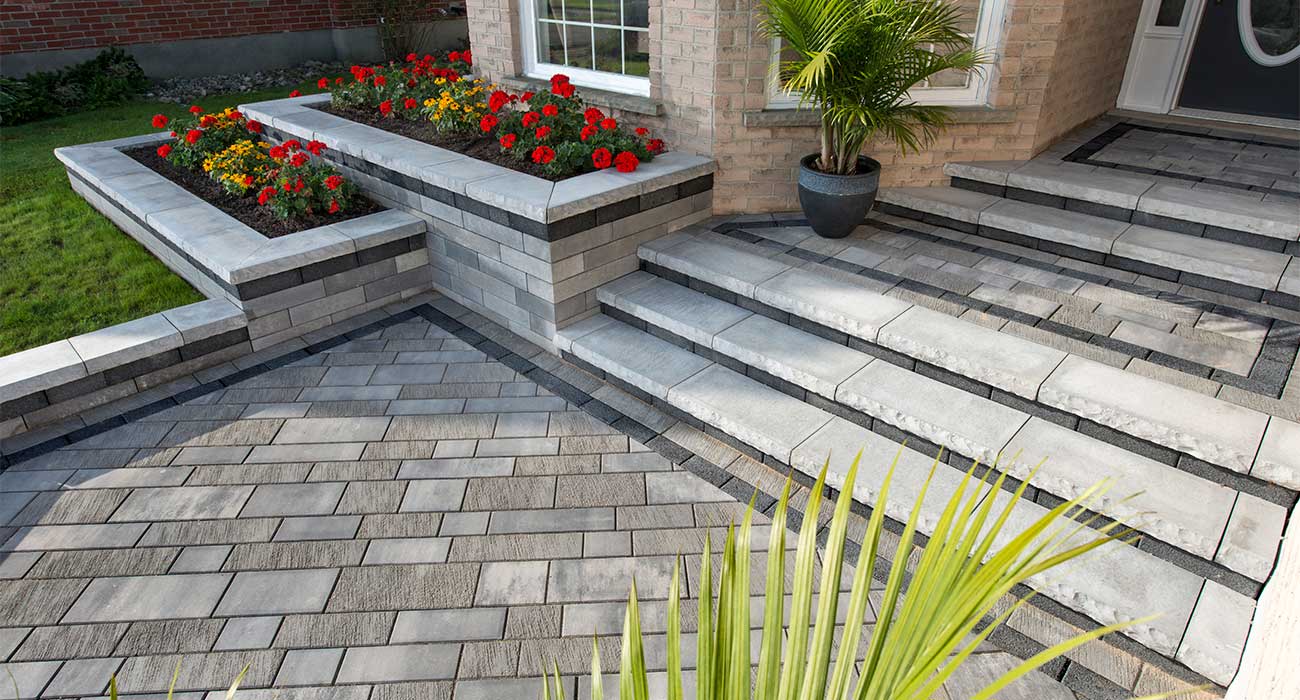
Walkways, steps, and retaining walls may not have the same visual scale as a new patio, but they solve problems buyers notice. A defined path improves access and safety. Steps can handle grade changes cleanly. A retaining wall can turn a difficult slope into a useful landscape feature. These details make the property feel finished rather than pieced together.
When Pavers May Not Deliver the Return You Expect
Pavers are a strong improvement, but homeowners should be realistic about return on investment. Installing the most expensive materials in a neighborhood of modest homes may not produce a matching resale premium. A project should fit the home, the lot, and local buyer expectations.
Overdesign can also work against value. Too many colors, conflicting patterns, or an oversized hardscape can limit future buyers rather than impress them. Timeless color palettes and layouts tend to have broader appeal. The goal is distinction, not distraction.
Condition matters as well. Faded pavers, weeds in joints, broken edges, or settlement can undermine the benefit. Routine care such as sweeping, managing joint sand, addressing stains promptly, and scheduling repairs before small issues spread helps preserve the investment. In Arizona, periodic cleaning and resealing, when appropriate for the selected material, can refresh the surface and maintain its color.
Finally, pavers cannot compensate for bigger property concerns. If the roof, HVAC system, landscaping, or interior finishes need major attention, buyers will still notice. Hardscaping works best as part of a well-maintained home, not as a cover for deferred maintenance.
How to Plan a Paver Project With Resale in Mind
Start with function. Ask how the space needs to work for your household now and how a future buyer might use it. A narrow walkway may need widening for easier access. A small concrete pad may need to become a true entertaining patio. A pool area may need better circulation and safer footing.
Then choose materials and colors that complement the home. Earth tones, natural stone looks, and coordinated borders typically age well in Arizona settings. Consider heat exposure, drainage, furniture placement, and the transition from indoor flooring to the exterior surface. Good design is not just decorative – it makes the space easier to enjoy.
Before signing a contract, make sure the estimate clearly explains the scope of preparation, base work, drainage considerations, materials, and warranty. A fixed, detailed proposal gives you a clearer picture of what your investment includes. Working with a licensed, bonded, and insured contractor also provides confidence that the project is being handled professionally.
At Liberty Pavers, the focus is on building exterior spaces that look impressive and hold up under Arizona conditions. Whether you are preparing to sell in a few years or planning a backyard your family can enjoy now, the right paver project should feel like a permanent improvement, not a temporary cosmetic fix.
A well-designed surface gives buyers a reason to pause, imagine their life in the home, and see less work waiting for them after move-in. If your driveway, patio, pool deck, or walkway no longer reflects the quality of your home, a professional paver consultation can help you choose an upgrade that serves your lifestyle today and your property value tomorrow.