

Arizona homeowners choose synthetic grass for a reason: a green, polished yard without constant watering, mowing, or fighting bare dirt. But the finished surface is only as dependable as the work below it. To prepare your yard for artificial turf correctly, you need more than a cleared patch of ground. You need excavation, proper grading, reliable drainage, compacted aggregate, and clean edge restraint.
When those details are rushed, turf can develop low spots, wrinkles, odors, weeds, and drainage problems. When they are handled professionally, your new lawn stays level, drains properly, and looks ready for pool days, pets, and backyard gatherings.
Start With the Yard You Have
Every turf installation should begin with an honest site assessment. A flat front yard, a sloped side yard, and a backyard beside a pool each create different preparation requirements. In the Phoenix area, hard, dry native soil can appear stable until monsoon rain exposes poor drainage or a weak base.
Look for existing low areas where water collects, downspouts that discharge into the lawn, exposed irrigation lines, tree roots, and utility locations. Consider how the space will be used, too. A decorative front lawn may need a different turf product and base depth than a dog run or a heavily used play area.
This is also the time to establish finished elevations. Artificial turf should sit at the right height next to patios, pavers, concrete, pool coping, gates, and walkways. Setting it too high can trap water against hardscape. Setting it too low creates an awkward edge and invites debris to collect along the perimeter.
Remove Grass, Roots, and Unstable Soil
A clean start protects the entire installation. Existing grass, weeds, roots, loose gravel, and organic material must be removed from the proposed turf area. Organic material breaks down over time, creating voids and uneven spots below the finished lawn.
The required excavation depth depends on the site, soil conditions, drainage plan, intended use, and the thickness of the turf and base materials. In many residential applications, installers remove several inches of material to make room for a properly compacted aggregate base while maintaining the correct finished grade.
Do not simply place artificial grass over existing natural grass or dirt. It may look acceptable for a short time, but trapped vegetation, poor drainage, and shifting soil will catch up with the project. A durable outdoor surface starts with removing what does not belong beneath it.
Address irrigation before the base goes in
If the lawn sprinklers will no longer be needed, cap or reroute those lines before base preparation begins. Irrigation that remains beneath artificial turf can leak unnoticed and soften the ground below. Drip irrigation for surrounding plants should be separated from the turf area and positioned where it can be maintained.
A professional crew will also protect or relocate sprinkler valves, electrical lines, landscape lighting, and other site features as needed. Correcting these issues after turf is installed means cutting into a finished surface that should have been left intact.
Grade the Area for Positive Drainage
Artificial turf is permeable, but it is not a substitute for correct grading. Water still has to move through the turf and base, then away from the home and usable outdoor areas. This matters during Arizona’s hard seasonal storms, when a few minutes of heavy rain can reveal every low point in a yard.
The ground should be shaped to encourage positive drainage away from foundations, patio doors, and structures. The exact slope depends on the property and surrounding surfaces. A backyard with pavers, retaining walls, or a pool deck may require more careful transitions than an open lawn.
Drainage solutions can range from intentional grading to drain channels, catch basins, or connections to approved drainage routes. The right answer depends on where water begins, where it needs to go, and local site conditions. What should never happen is allowing runoff to sit against the house or flow toward a neighbor’s property.
Build a Compacted Base That Will Not Settle
The aggregate base is the real foundation of an artificial turf yard. It gives the surface its smooth appearance, supports foot traffic, and helps water move through the installation. Skipping base depth or compaction to reduce upfront cost often leads to repairs that cost more later.
A quality installation typically uses a compactable aggregate material installed in controlled lifts. Each layer is moistened when appropriate and mechanically compacted before the next layer is placed. This approach creates a dense, stable foundation rather than loose material that settles after the first summer storm or active family weekend.
The base must be carefully screeded and checked for consistent grade. Small imperfections become more visible once turf is installed, especially in broad open areas that receive strong Arizona sunlight. The goal is a finished lawn that looks intentionally smooth, not one that follows every bump in the native soil.
For areas with pets, drainage and odor control deserve extra attention. A properly prepared base can be paired with pet-friendly turf, odor-control infill, and a cleaning plan suited to the number of animals using the space. There is no single pet-turf formula for every household, but the preparation beneath the surface remains nonnegotiable.
Install Edge Restraint Before Laying Turf
Artificial turf needs a secure perimeter. Edge restraint holds the turf in position, creates a crisp boundary against pavers or landscape beds, and prevents edges from lifting over time. Depending on the design, the perimeter may tie into existing hardscape, steel edging, curbing, bender board, or another suitable restraint system.
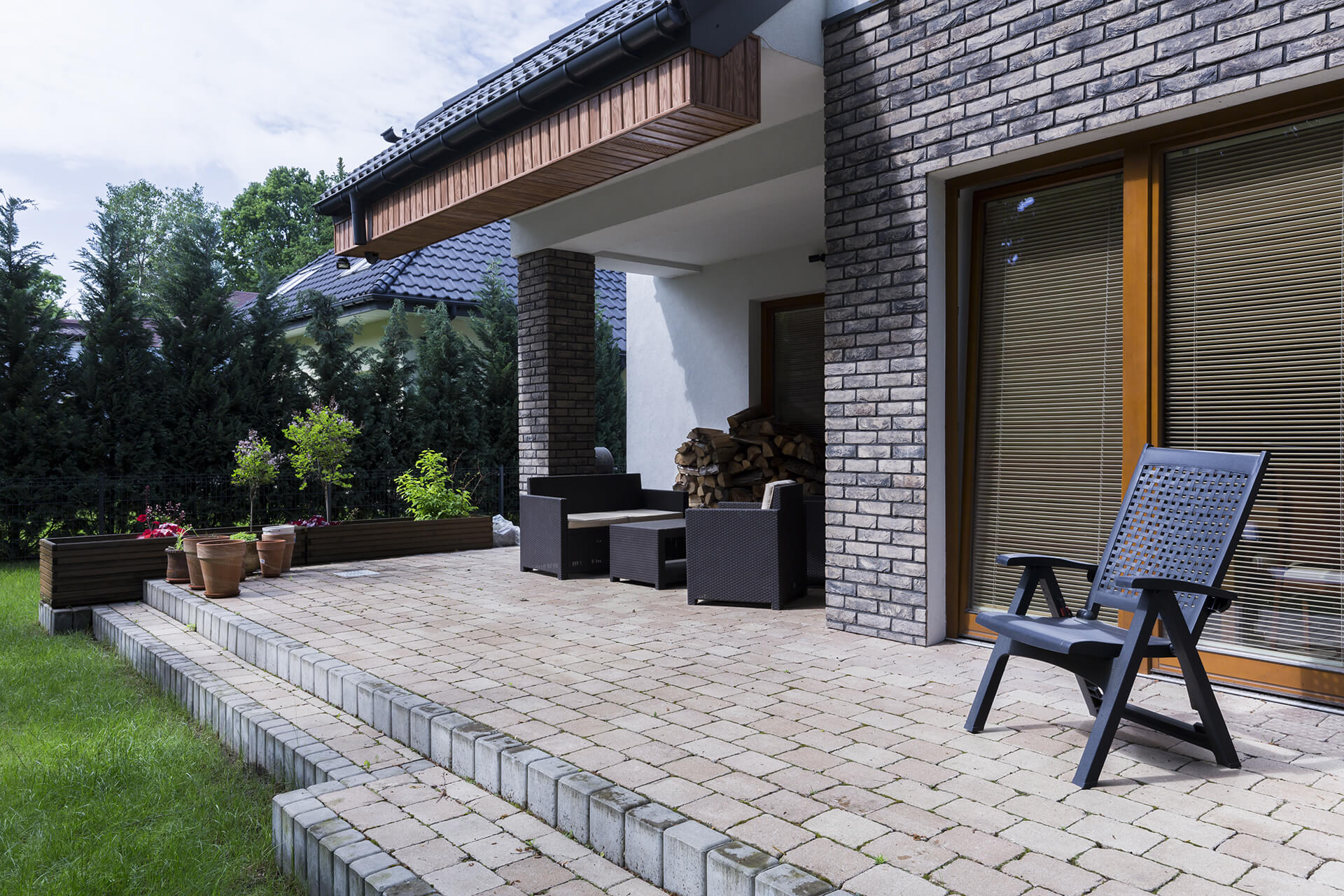
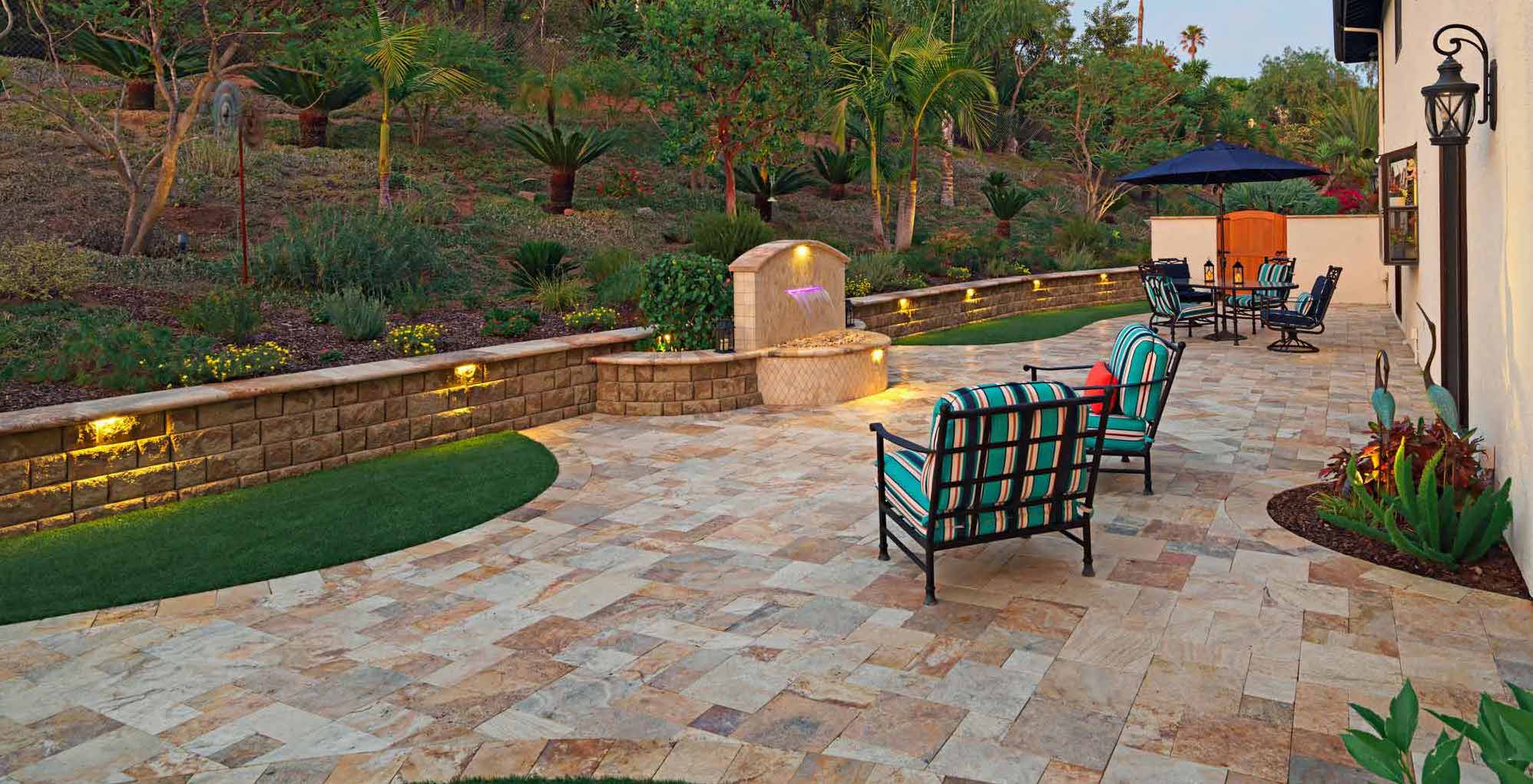
The most attractive Arizona backyards use these transitions deliberately. Turf can soften a paver patio, frame a fire pit, create contrast around a pool deck, or break up large areas of travertine and concrete. Clean edges are what make those materials feel like one coordinated design rather than separate projects placed beside one another.
Before turf is rolled out, confirm that every edge is stable, the base is fully compacted, and finished elevations align with nearby surfaces. This is the last easy opportunity to correct a grade or drainage concern.
Lay, Secure, and Finish the Turf Carefully
Once the base is ready, turf should be rolled out and allowed to relax before final trimming. Installers pay attention to blade direction so the lawn has a consistent appearance from the main viewing areas. Seams should be planned where they will be least noticeable, not placed randomly in the middle of a focal point.
After cutting the material to fit, the turf is secured around the perimeter and at seams using appropriate installation methods. Seams must sit tight and flat. A visible seam, lifted edge, or uneven cut near a patio is not a minor cosmetic issue. It affects the finished look of the entire space.
Infill may then be brushed into the fibers based on the turf system and how the yard will be used. Infill helps support the blades and can improve weight, stability, and performance. The right amount matters. Too little can leave the turf looking flat, while too much can affect comfort and drainage.
A quick pre-installation check
Before calling the project complete, walk the area and confirm these details:
- Water is directed away from the home and does not pond in low spots.
- The turf sits cleanly against pavers, concrete, beds, gates, and walls.
- Seams are tight, edges are secured, and the surface feels level underfoot.
- Irrigation lines, drains, and access points remain functional where needed.
- The selected turf fits the yard’s real use, whether that means pets, children, entertaining, or curb appeal.
Why Professional Preparation Protects Your Investment
Artificial turf may be low maintenance, but it is not a no-preparation project. The visible lawn is only one part of a system that includes excavation, base material, compaction, drainage, edging, and finishing. Each step affects the next.
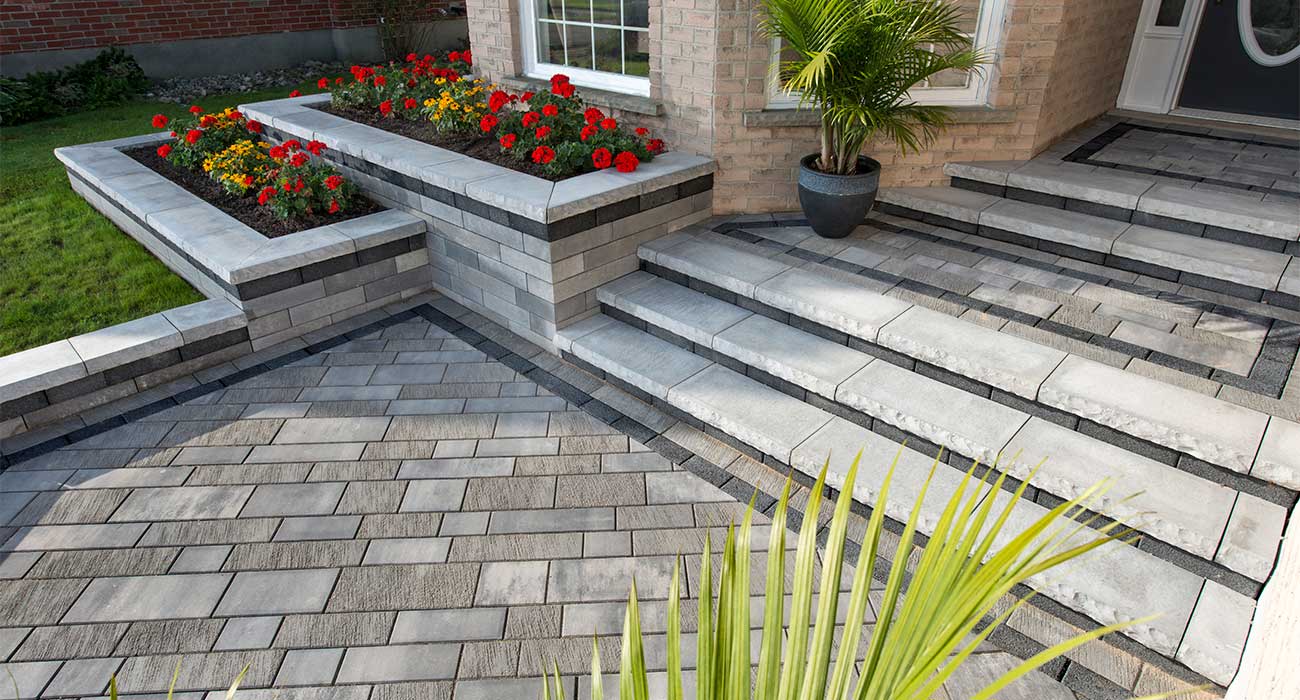
For homeowners upgrading a complete outdoor space, turf preparation is often best planned alongside paver patios, pathways, pool decks, retaining walls, and drainage improvements. Coordinating the work prevents mismatched elevations and reduces the chance of tearing out completed surfaces to fix an overlooked detail.
Liberty Pavers approaches turf installation with the same workmanship-first mindset used for custom hardscape projects: build the foundation correctly, use materials that fit the application, and create a finished space that stands out from the norm. A fixed, clear project scope gives homeowners confidence before construction begins.
Your yard should feel like a place to enjoy, not another weekend repair project. Get a professional quotation, discuss how your property drains and how your family uses the space, and give your artificial turf the foundation it needs to stay beautiful through Arizona summers and monsoon seasons.