

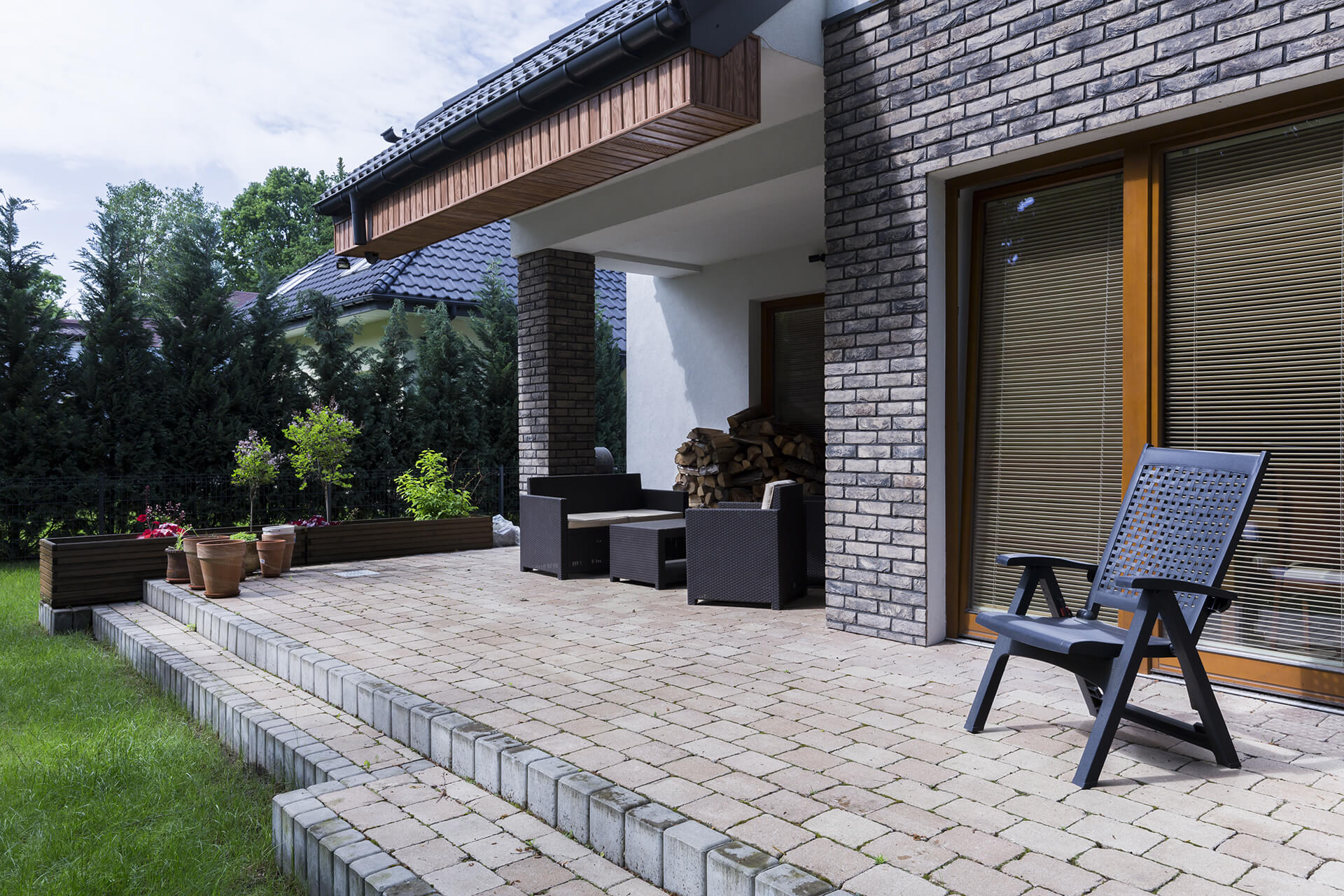
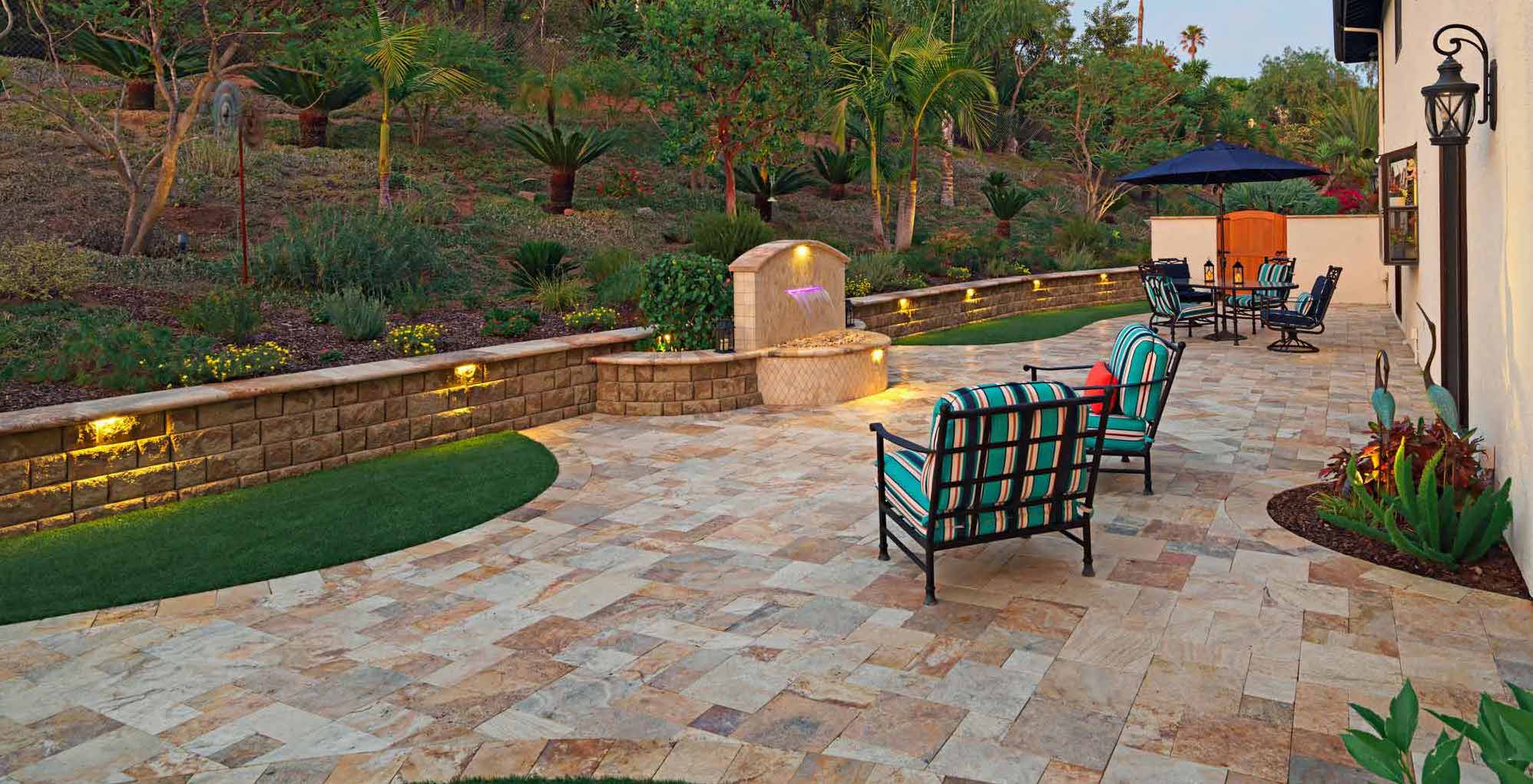
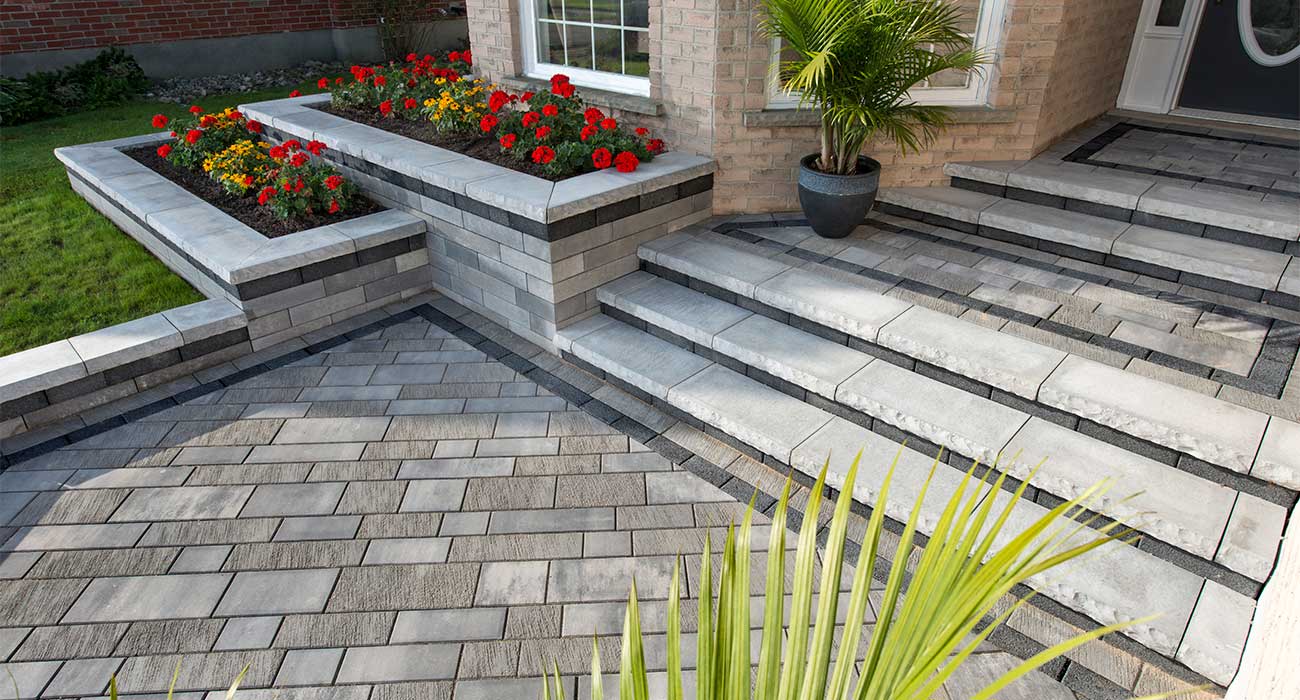
A beautiful backyard can still feel unfinished when the outdoor surface is too hot to cross, too small for guests, or cracked around the edges. The right patio design solves those everyday frustrations before construction begins. For Arizona homeowners, that means creating an outdoor area that looks exceptional, handles intense sun and monsoon weather, and gives family and friends a place they actually want to use.
A patio is more than a paved rectangle behind the house. It can become the connection between your indoor living space, pool, grilling area, artificial turf, and landscape features. The best results come from planning how the space will function first, then selecting materials and details that will stand up to the climate.
Start Patio Design With How You Live Outside
Before choosing a paver color or pattern, think about the moments your patio needs to support. A couple that enjoys quiet morning coffee needs a different layout than a household that hosts weekend cookouts, birthday parties, and pool days. If the patio is meant to serve several purposes, separating it into clear zones keeps the space from feeling crowded.
A dining area works best close to the kitchen or grill, where carrying food and supplies is easy. A lounge area can sit farther into the yard, near a fire pit, water feature, or pool. If you have a pool, leave enough walking room around furniture so wet feet are not forced through a narrow path. These decisions sound simple, but they determine whether the finished patio feels generous or frustrating.
Scale matters just as much as placement. Homeowners often focus on fitting a table into the space without accounting for chairs being pulled out or guests moving behind them. A patio should provide room to circulate naturally. A slightly larger installation often delivers a much better long-term return than a surface that immediately feels undersized.
Let the House and Yard Guide the Layout
Your patio should look connected to the property, not dropped into the yard as an afterthought. Existing doors, windows, rooflines, pool edges, grade changes, and mature trees all influence the right shape. Straight lines can create a clean, contemporary look and pair well with modern Arizona homes. Curved edges can soften a backyard and create a natural transition toward turf, planting beds, or a fire-pit circle.
It also helps to preserve sightlines. A patio positioned to frame mountain views, a pool, or a well-designed landscape can make the entire yard feel more intentional. On the other hand, placing a tall feature in the wrong location can block views from inside the home. Good design considers what you see from the kitchen, family room, and primary outdoor seating area.
Choose Materials Made for Arizona Conditions
Arizona heat is hard on exterior surfaces. Basic poured concrete may be affordable at first, but large concrete slabs can crack as soil moves and temperatures change. Repairs are often visible, and matching a patched section to aged concrete is difficult. That is one reason pavers are a strong choice for patios, walkways, driveways, and pool decks.
Segmental pavers are installed as individual units over a properly prepared base. This system provides flexibility beneath the surface, helping the patio accommodate minor ground movement better than a rigid slab. If a paver is damaged or stained, it can typically be replaced without tearing out the full patio.
Color is not just a style decision in the desert. Lighter tones often feel more comfortable underfoot in direct sun, while blended earth tones can hide dust and everyday wear. Travertine offers a high-end natural-stone appearance and can be an excellent option around pools, although the right finish and installation details matter. Brick, stone, and concrete pavers each bring a different character, cost range, and maintenance profile.
The best material is not always the most expensive one. It depends on the location, traffic level, desired appearance, and how the patio connects to the rest of the property. Matching a new patio to an existing paver driveway or pool deck can create a polished, cohesive exterior. Choosing a complementary color can be the better move when a perfect match would make the yard look flat or overly uniform.
The Work Below the Patio Protects the Investment
A patio can have beautiful pavers and still fail if the preparation work is rushed. This is where a workmanship-first contractor makes a real difference. The finished surface is only as dependable as the excavation, grading, base material, compaction, edge restraint, and jointing process below it.
Proper base preparation creates a stable foundation for the paver system. The exact depth and material needs depend on the site, soil conditions, intended use, drainage plan, and features surrounding the patio. A seating patio does not carry the same load as a driveway, but both need careful preparation to prevent settling, uneven areas, and shifting edges.
Drainage deserves attention early, not after water begins collecting against the home. Every patio needs a planned slope that moves water away from structures while avoiding runoff problems at the pool, neighboring property, or planting areas. During Arizona monsoon storms, this detail can be the difference between a patio that performs confidently and one that develops puddles, erosion, or water intrusion concerns.
Build Comfort Into the Patio Design
Even the most attractive patio will sit empty if it offers no relief from the afternoon sun. Shade should be part of the patio design conversation from the beginning. A covered extension, pergola, shade structure, or carefully placed tree can change how often the space is used. The shade solution should work with the sun’s direction, not simply cover the center of the patio.
For many Phoenix-area backyards, it makes sense to create a shaded dining zone and a separate open area near the pool or fire pit. This preserves sunny space for cooler-weather enjoyment while giving the family a retreat during hotter months. Outdoor fans, lighting, and properly located seating extend the patio’s usefulness after sunset, when Arizona evenings are often at their best.
A fire pit can become a natural gathering point, but it needs safe clearance from structures, furniture, and landscape materials. Built-in seating makes the feature feel permanent and can reduce the need for extra chairs. Steps, retaining walls, and low seat walls can also solve grade changes while giving the patio more architectural definition.
Create Transitions That Make the Backyard Feel Finished
The strongest patios do not stop abruptly at a hard edge. They transition thoughtfully into turf, gravel, gardens, pathways, and pool areas. Artificial turf can provide a soft visual contrast against pavers while avoiding the water demand and maintenance of natural grass. A paver walkway can guide guests from a side gate to the backyard without turning the route into a dusty or muddy track.
Borders are another useful design tool. A contrasting paver border can outline a patio, define a dining area, or tie the patio into existing masonry colors. This detail does not have to be loud. Sometimes a subtle shift in tone or a different laying pattern is enough to give the surface a custom look.
Lighting should support safety as well as atmosphere. Low-voltage lighting near steps, changes in elevation, and pathways helps guests move around the yard after dark. Softer light around seating areas keeps the patio inviting without making the backyard feel like a parking lot.
Plan for Maintenance Without Settling for Plain
Paver patios are known for their practical maintenance advantages, but they are not maintenance-free. Regular sweeping, quick cleanup of spills, and occasional rinsing help preserve the surface. Depending on the material and exposure, homeowners may also consider sealing for added color enhancement or stain resistance. Sealing is not right for every surface, so it should be chosen based on the material, finish, and desired appearance.
The advantage of a well-installed paver patio is that maintenance is usually targeted. If settling or damage occurs years later, repairs can often focus on the affected area rather than requiring demolition of a large slab. That serviceability is especially valuable for homeowners who want a refined outdoor space without accepting the uncertainty of major concrete cracking.
Your patio should reflect your home, your routines, and the Arizona climate rather than a generic backyard template. Liberty Pavers can help turn those ideas into a fixed, clearly planned installation built on careful preparation and quality materials. Start with the way you want to gather, relax, and move through the yard, then build the surface that makes those moments feel easy for years to come.