

A tired pool deck can make an otherwise beautiful backyard feel unfinished. Cracked concrete, faded color, uneven edges, and hot surfaces do not just hurt curb appeal – they can make the space less comfortable and less safe for family, guests, and bare feet. This pool deck renovation example shows how Arizona homeowners can turn a worn pool surround into a durable entertaining area designed for the way they actually live outdoors.
The goal was not simply to cover old concrete. The homeowners wanted a pool area that looked custom, handled intense sun, offered reliable footing around water, and connected naturally to their patio and landscaping. That required more than choosing an attractive paver. It required careful planning below the finished surface.
The Starting Point: Cracks, Heat, and an Awkward Layout
This backyard began with a standard poured-concrete pool deck installed years earlier. It had served its purpose, but Arizona weather had taken its toll. Hairline cracks had widened in several areas, sections had settled slightly, and the finish had become discolored from sun exposure, pool water, and everyday use.
The deck was also undersized for how the family used the yard. There was barely enough room for lounge chairs, and the path between the back door and the pool felt narrow. When friends visited, people naturally gathered in a cramped area near the patio rather than spreading out around the pool.
Concrete can be a practical surface, but it has limits. Once it cracks or shifts, repairs often remain visible. Resurfacing can improve its appearance, yet it does not always correct the underlying movement that caused the issue. For this project, the homeowners wanted a longer-lasting solution with more design flexibility.
Pool Deck Renovation Example: From Plain Concrete to Pavers
The renovation started with a site evaluation. Before material samples were selected, the contractor reviewed drainage patterns, elevations around the pool, access points, existing concrete conditions, and the relationship between the deck, patio cover, landscaping, and home.
That early planning matters. A beautiful pool deck that directs water toward the house, creates a trip edge, or settles after installation is not a successful renovation. The visible pavers get the attention, but the base preparation determines how the finished deck performs over time.
In this example, the existing concrete was removed to create a clean foundation for the new layout. The pool deck was expanded along one side to make room for chaise lounges and a small conversation set. A wider walking path was added between the back door and the pool, creating a more natural flow for wet feet, towels, food, and everyday traffic.
The new design also included a defined seating zone near the pool. Rather than placing furniture randomly around the deck, the layout created a destination – a place where the homeowners could relax while still keeping an easy view of the water.
Why removal was the right choice
In some situations, pavers can be installed over an existing concrete slab. That approach can work when the slab is stable, the elevation allows for additional height, and drainage can be maintained. It may reduce demolition time and cost.
But overlaying was not the right choice here. The original deck had settlement concerns and cracks that suggested movement beneath the slab. Raising the surface could also have created problems at door thresholds and along the pool edge. Removing the concrete allowed the project to be built correctly from the ground up.
Building a Base That Can Handle Arizona Conditions
After demolition, the crew reshaped and compacted the subgrade. This stage is not glamorous, but it is where long-term performance begins. Soft areas, poor compaction, and incorrect grading can lead to shifting pavers, low spots, and drainage problems later.
A properly prepared aggregate base was installed in controlled lifts and compacted thoroughly. The deck was graded to move water away from the home while preserving appropriate drainage around the pool. Edge restraints were added to help keep the paver system locked in place, particularly along the expanded deck and curved transitions.
Segmental pavers are a smart choice for many Arizona pool decks because individual units can accommodate minor ground movement better than a single rigid slab. If a future repair is ever needed, select pavers can often be lifted and reset without demolishing the entire surface. That is a practical advantage for homeowners who want to protect their investment.
Choosing Materials for Comfort, Safety, and Style
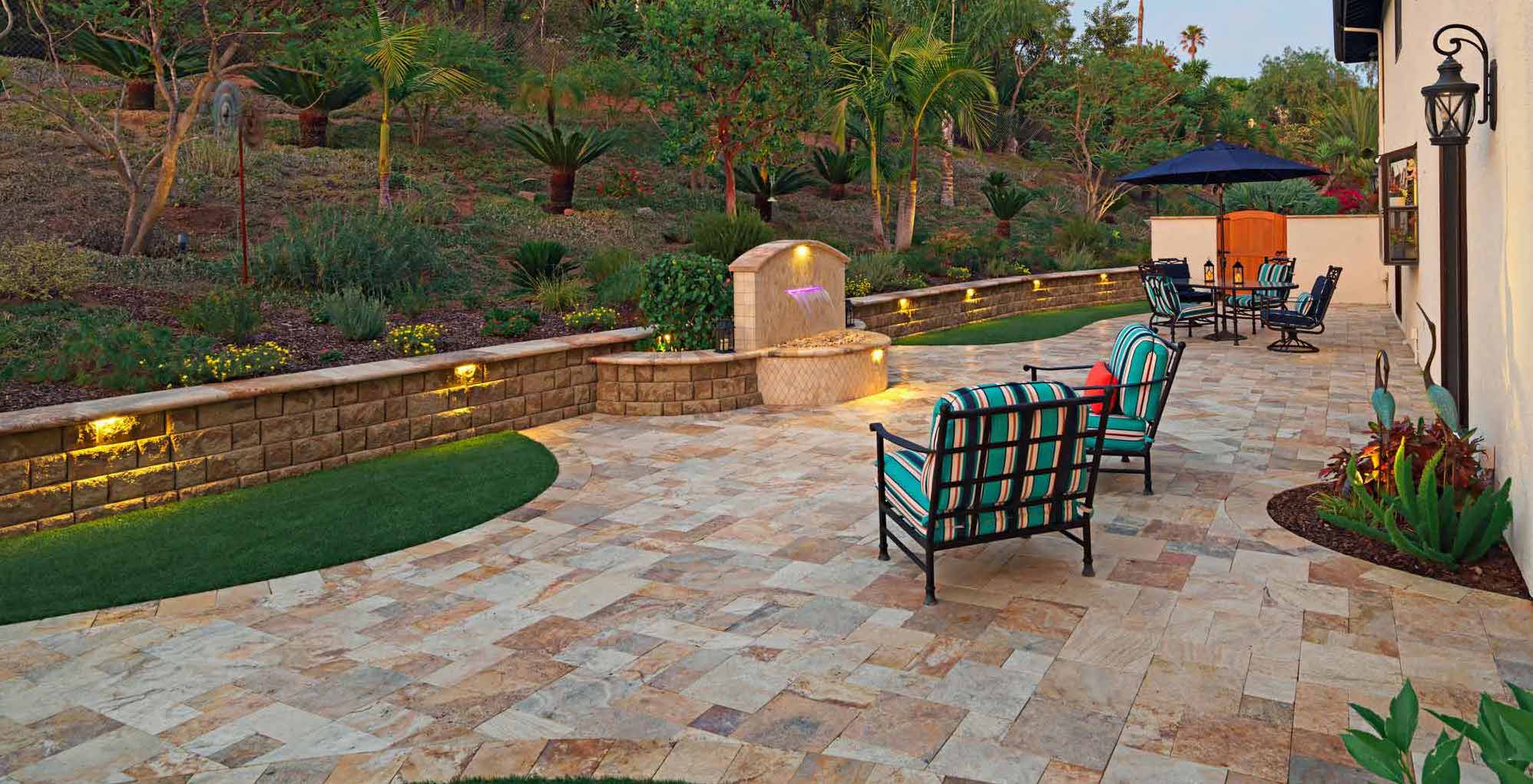
The homeowners selected light-toned concrete pavers in a blended sand and cream color palette. The lighter color helped reduce heat absorption compared with darker hardscape finishes, while the variation in the pavers gave the deck a more natural, upscale appearance than one solid concrete color.
No pool deck material stays cool in direct Arizona summer sun all day. Homeowners should be cautious of claims that promise otherwise. Still, color, texture, shade, and material type all make a real difference in day-to-day comfort. Lighter pavers, shaded seating areas, umbrellas, and strategic landscaping can create a much more usable pool space.
The pavers also featured a textured surface for improved traction. Around a pool, a completely smooth finish may look sleek, but it can become slippery when wet. A pool deck should balance appearance with safety, especially when children, guests, and frequent swimmers use the area.
For the pool coping, the design used coordinating pavers with clean, consistent lines around the water. Matching the coping and deck created a unified look without making the space feel flat or overly uniform. The result was warm, clean, and distinctly customized to the home.
The Finished Backyard: More Room to Live Outside
Once the pavers were installed, joint sand was swept into the system and the deck was compacted to secure the individual units. The final details included clean cuts around the pool equipment area, smooth transitions to the patio, and a finished edge where the pavers met artificial turf.
The transformation was immediate. What had been a narrow, cracked concrete surround became a complete outdoor-living area. The expanded deck gave the family room for loungers, a dining table, and clear walkways without crowding the pool. The warmer color blend made the water stand out, while the paver pattern added texture and visual depth to the backyard.
Just as important, the homeowners gained confidence in the surface underfoot. The new deck was designed with drainage, stability, and wet-area traction in mind. It looked like a major upgrade because it was one – not a cosmetic patch over old problems.
What This Type of Renovation Can Include
Every pool deck renovation is different. A smaller project may focus on replacing a damaged concrete surround with pavers of a similar footprint. A larger renovation can reshape the entire backyard, combining a pool deck with a patio, fire pit, retaining wall, outdoor kitchen area, steps, artificial turf, or landscape borders.
The best scope depends on the condition of the existing surface, the size of the yard, the homeowner’s budget, and how the space will be used. If the pool deck is structurally sound but visually dated, a more targeted update may be enough. If drainage, cracking, or settlement are recurring concerns, a full removal and rebuilt paver system may provide better value over time.
A clear, fixed estimate should explain what is included: demolition if needed, excavation, base materials, compaction, pavers, edge restraints, drainage adjustments, cutting, cleanup, and warranty coverage. Homeowners should not have to guess whether the price reflects a complete installation or a shortcut beneath the surface.
Plan the Deck Around Your Real Life
A successful pool deck does not begin with a catalog color. It begins with practical questions. Where do people enter the yard? Where will towels, lounge chairs, grills, and umbrellas go? Is there enough room to walk safely around the pool? Does water drain away from the home? Will the material still look right beside the patio, fencing, and landscaping five years from now?
Liberty Pavers helps Arizona homeowners answer those questions before installation begins, with custom hardscape planning and workmanship that respects the details beneath every finished paver. The right renovation can make your pool feel like the centerpiece it was meant to be – comfortable for quiet afternoons, ready for weekend gatherings, and built to stand out from the norm.
If your current deck is cracked, cramped, or simply no longer fits your backyard, start by looking at the ground beneath the surface as carefully as the design above it. That is where a pool deck renovation earns its value.