

A great Arizona backyard is not built by picking a paver color first. It starts with deciding how your family will actually use the space when the weather is right, the grill is on, and everyone ends up outside. A custom backyard hardscape design brings those ideas together with durable surfaces, intentional traffic flow, and the right foundation beneath every finished detail.
For Phoenix-area homeowners, that foundation matters just as much as the visible design. Desert heat, monsoon rain, shifting soils, pool traffic, and everyday outdoor living can expose shortcuts quickly. The goal is not simply to create a backyard that looks impressive on installation day. It is to create one that performs beautifully for years.
Start With the Way You Live Outside
The best backyard designs solve practical problems before they add decorative features. A patio should have room for chairs to pull out comfortably. A pool deck needs walking paths that do not force guests through seating areas. A fire pit should feel connected to the gathering space without crowding it.
Think through the moments you want your backyard to support. Maybe you want a shaded dining patio near the kitchen, a wide paver path to the pool, or a turf play area that stays separate from the grilling zone. Some homeowners want a quiet courtyard with stone accents and low-maintenance planting. Others need a complete entertaining space with a fire feature, built-in seating, and plenty of room for guests.
A custom plan gives each area a purpose. It also prevents a common mistake: installing one attractive patio and realizing later that the pool, side yard, gate, and outdoor kitchen still feel disconnected.
Create Clear Zones Without Making the Yard Feel Boxed In
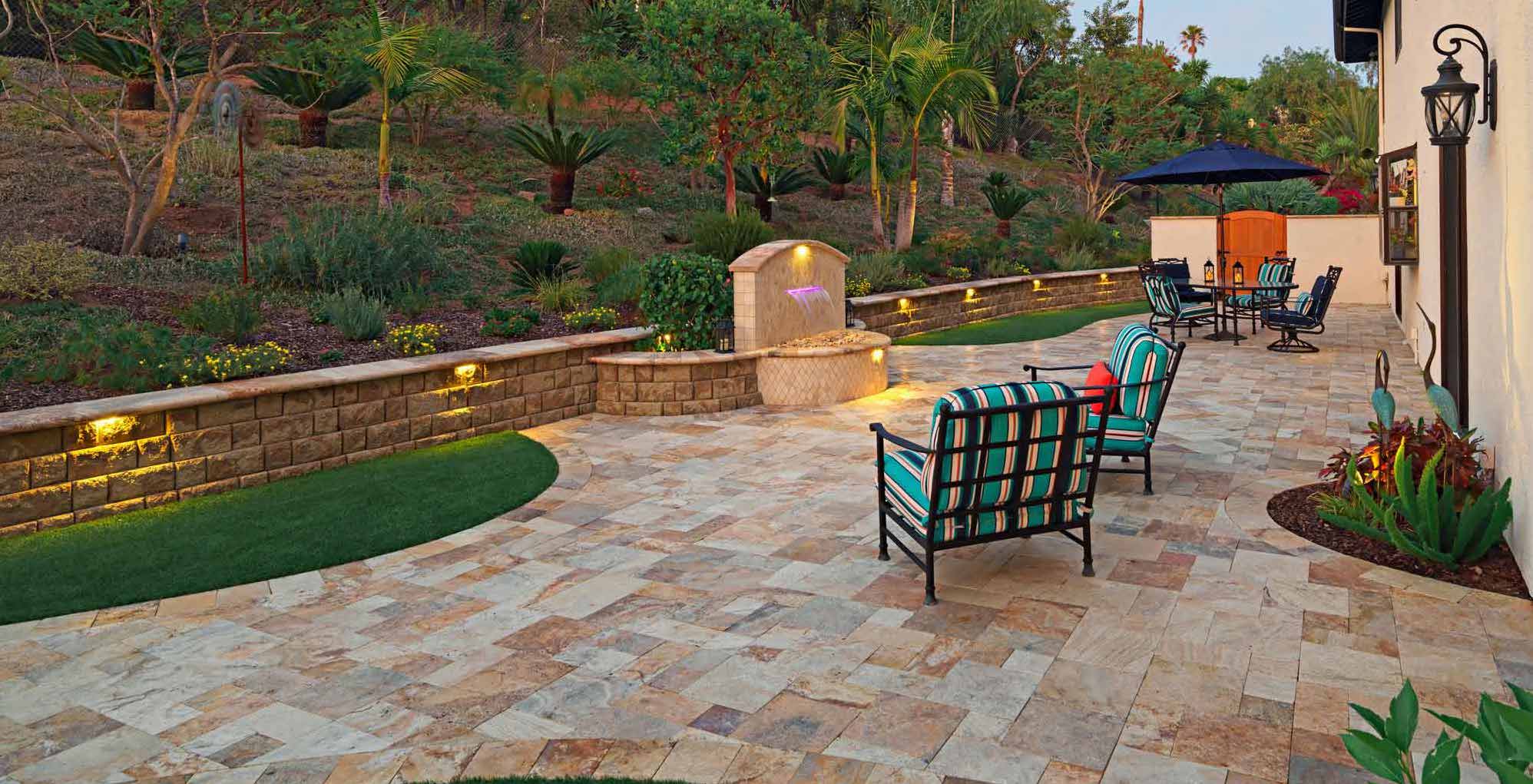
Your backyard does not need walls everywhere to feel organized. Changes in paver pattern, surface elevation, borders, or material can define a space while keeping the yard open. For example, a travertine pool deck can transition into a complementary paver patio, while artificial turf provides a softer visual break between hardscape areas.
This approach is especially useful in compact yards. A well-placed walkway and a defined seating area can make a smaller backyard feel more usable than a large open slab of concrete. In larger properties, those same design moves help the space feel intentional rather than scattered.
Choose Materials for Arizona Conditions
Material selection should balance appearance, maintenance, footing, heat, and budget. There is no single best surface for every yard, but there are better choices for specific applications.
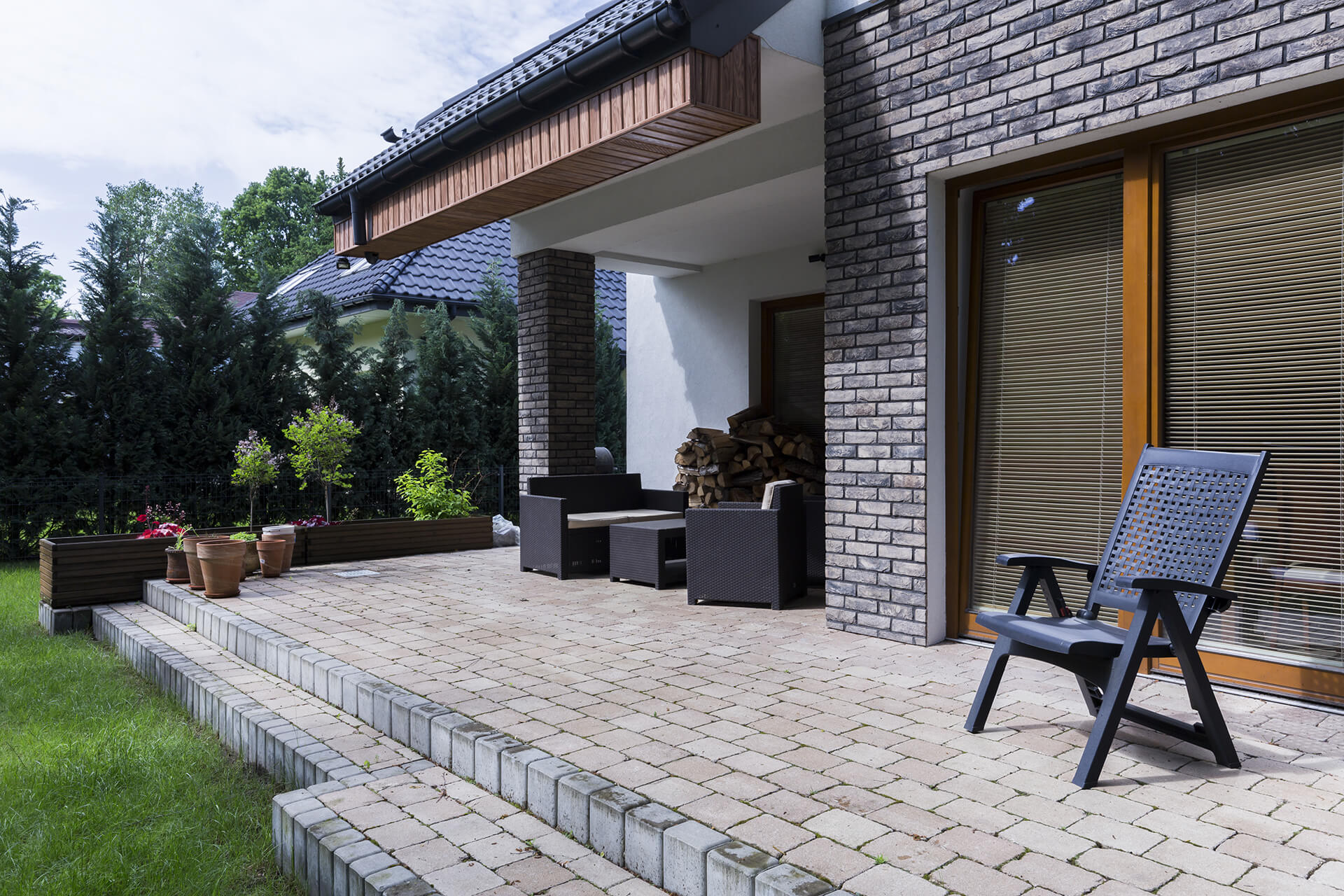
Segmental concrete pavers are a strong option for patios, walkways, driveways, and many pool areas. They offer broad color and pattern choices, and individual units can be repaired if a localized issue develops. Pavers also create visual movement that basic poured concrete often cannot match. With the proper base preparation and edge restraint, they are built to handle daily use while maintaining a clean, finished look.
Travertine remains popular around Arizona pools because of its natural character and comfortable feel underfoot compared with many darker, denser surfaces. It creates a high-end look, but natural stone requires thoughtful material selection and proper installation. Its performance depends on the specific product, finish, drainage plan, and level of care a homeowner is comfortable providing.
Concrete can be a practical choice for certain applications, particularly when a clean, simple surface fits the design and budget. Still, poured concrete can crack as the ground moves or temperatures change. Decorative finishes can improve its appearance, but repair work may be more visible than it would be with an interlocking paver system.
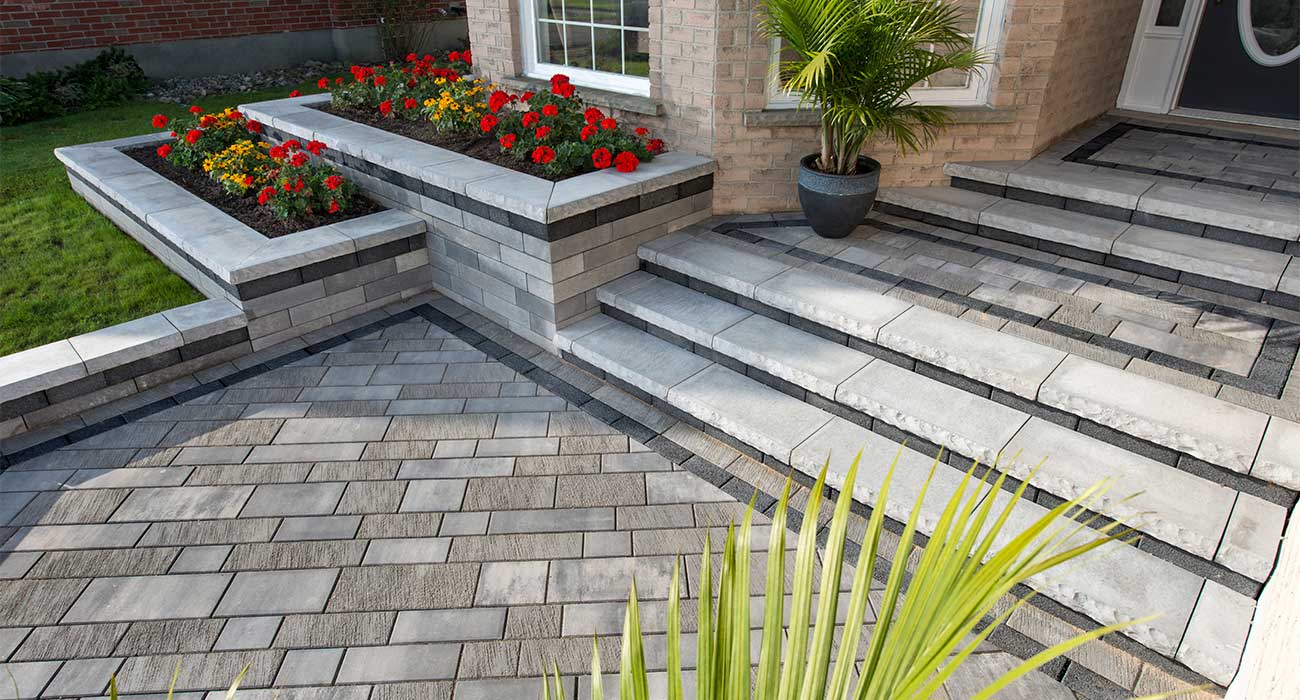
Stone and brick can add warmth, texture, and permanence to walls, steps, borders, and fire features. These materials work particularly well when used as accents that tie together a patio, pool deck, or front-yard walkway. The right combination often creates more character than relying on one surface across the entire backyard.
The Base Beneath Your Hardscape Is the Real Investment
The finished patio is what guests see. The compacted base, grading, bedding layer, and edge restraint are what protect that patio from settling, movement, and drainage problems.
Arizona soils are not something to guess about. A hardscape contractor should evaluate the existing conditions, remove unsuitable material when needed, establish the correct grade, and build a properly compacted base for the project. This is detailed work, but it directly affects whether pavers stay level and whether water moves away from the home and living areas.
Drainage deserves special attention in custom backyard hardscape design. Monsoon storms can deliver a lot of water in a short period. A patio or pool deck should be designed with planned slope and drainage routes, not left flat because flat looks easier. Water should not collect near the foundation, run toward doors, or settle in low spots where it can stain surfaces and create slick conditions.
Proper preparation is also why the lowest bid is not always the best value. Two estimates may describe the same square footage, yet the excavation depth, base material, compaction process, drainage work, and installation warranty may be entirely different. Ask what happens below the surface, not only what color paver is included.
Design for Safe, Comfortable Movement
A backyard should feel easy to navigate in bare feet, wet feet, and evening light. That means considering more than visual appeal.
Pool decks benefit from surfaces selected for reliable traction and layouts that provide enough room around lounge chairs, entries, and gates. Steps should have consistent dimensions and clear transitions. Walkways need to be wide enough for natural movement, especially between the house, pool, side gate, and outdoor living areas.
Lighting, while often installed separately, should be considered during the design phase. Planning for low-voltage lighting near steps, pathways, walls, and gathering areas can prevent unnecessary disruption later. The same goes for gas lines, electrical service, drainage features, and future shade structures. Building with those needs in mind saves time and avoids cutting into a new surface after the fact.
Add Features That Earn Their Space
A fire pit can turn an underused corner into the favorite part of the yard. A retaining wall can solve a grade change while creating extra seating. Artificial turf can provide a clean, low-maintenance break between pavers and soften the look of a large hardscape installation.
The key is choosing features that support the way you live. A large fire feature may look striking, but it can take up valuable patio space in a smaller backyard. Built-in seating is useful for frequent entertainers, while movable furniture offers more flexibility for families who use their outdoor area in different ways.
For a pool-centered yard, prioritize circulation and lounging space before adding decorative elements. For a backyard built around dinners and gatherings, a generous patio and clear connection to the kitchen may matter more than a large lawn. A custom plan should reflect those priorities instead of copying a photo that does not fit your lot or routine.
Work With a Contractor Who Owns the Details
Hardscape work is a major investment in your property, so the design and installation process should be clear from the start. A professional contractor should listen to your goals, assess site conditions, explain material options, provide a fixed written estimate, and discuss how the project will be prepared and installed.
Liberty Pavers approaches backyard projects as complete outdoor-living installations, not just surface replacements. From paver patios and pool decks to retaining walls, pathways, steps, fire pits, and artificial turf, the focus is on building a finished space that looks distinct and stands up to Arizona conditions. Licensed, bonded, and insured workmanship, quality materials, and a clear installation warranty help protect your investment long after the crews leave.
Before choosing a contractor, ask about base preparation, drainage, edge restraints, material thickness, repairs, project timeline, and warranty coverage. Straight answers are a good sign. Your backyard deserves more than a quick install that looks good from the curb.
A thoughtful hardscape plan gives you more reasons to use your home, from quiet coffee on a paver patio to poolside weekends with family and friends. Start with how you want the space to feel, insist on the preparation that keeps it performing, and get a quotation built around your yard rather than a one-size-fits-all layout.