

Arizona pool decks work hard. They absorb intense sun, collect splashing water, carry patio furniture, and serve as the setting for birthdays, barbecues, and quiet evenings outside. A well-planned travertine pool deck installation can make that space feel cooler, more polished, and more connected to the rest of your backyard – but the stone alone is not what delivers lasting results. The preparation beneath it matters just as much as the color and pattern you see on top.
Travertine brings natural movement, warm desert tones, and a high-end finish that suits homes across Phoenix, Scottsdale, Mesa, Gilbert, Chandler, and surrounding communities. When it is installed with the right base, drainage plan, edge details, and expansion considerations, it can turn an ordinary pool perimeter into a backyard centerpiece built for real Arizona living.
Why Travertine Works Around Arizona Pools
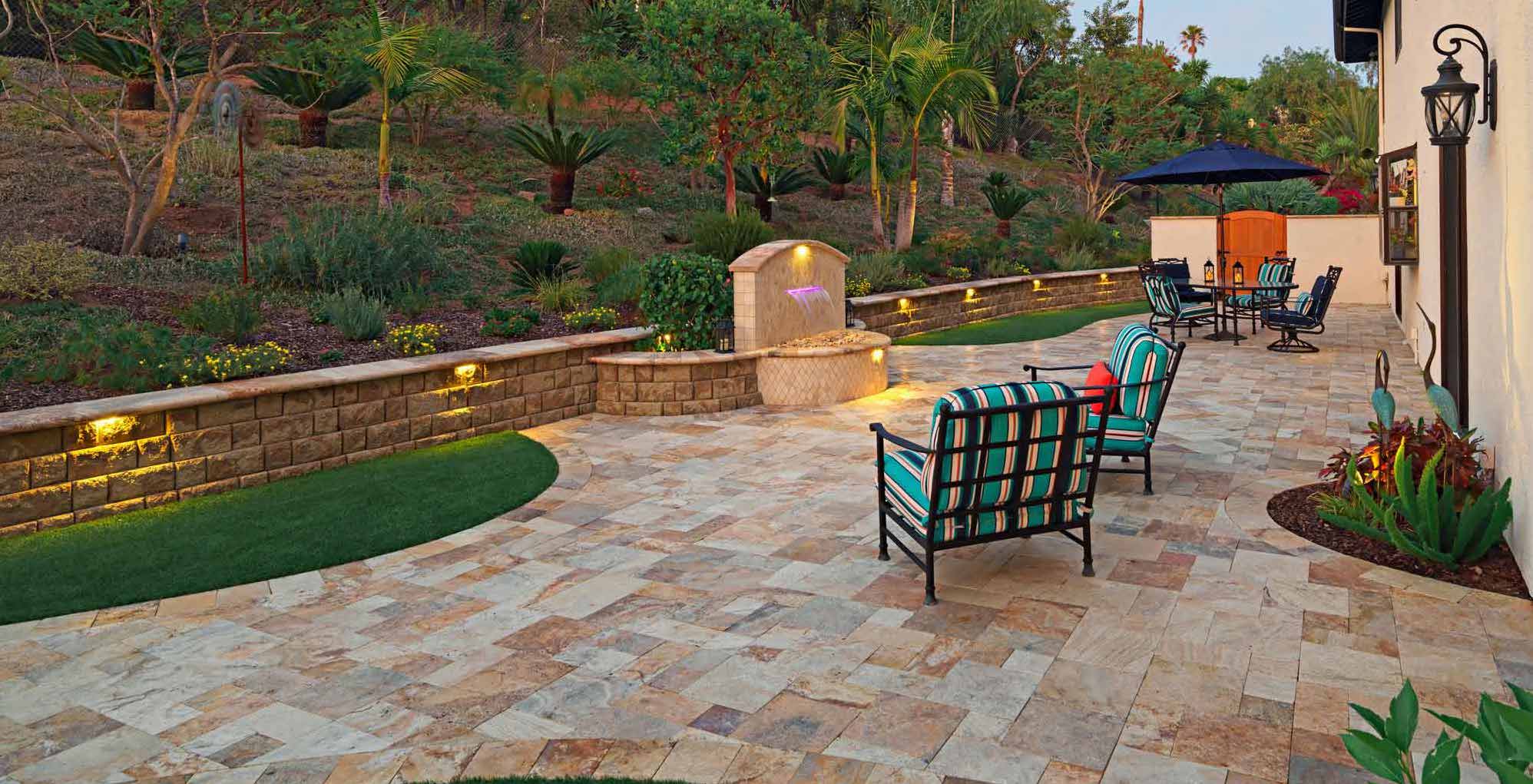
Travertine is a natural stone with a distinct, textured appearance that is difficult to duplicate with manufactured materials. Its color variation creates depth across a large pool deck, so the surface looks inviting rather than flat or overly uniform. Ivory, beige, cream, walnut, and silver tones can complement everything from a clean modern pool design to a more traditional Southwest backyard.
Homeowners also choose travertine because it can be more comfortable underfoot than many dense, dark concrete surfaces in direct sun. That does not mean any stone will stay cool at every hour of a Phoenix summer day. Color, exposure, stone thickness, and surrounding landscape all affect surface temperature. Lighter travertine generally performs better in full sun, while shade structures, umbrellas, and turf areas can make the entire pool environment more comfortable.
For pool areas, a tumbled or textured finish is often preferred because it provides more traction than a polished stone. No deck material is completely slip-proof when wet, especially near diving areas or spillways. The right finish, thoughtful layout, proper drainage, and regular cleaning all contribute to a safer walking surface.
Travertine Pool Deck Installation Starts Below the Stone
A beautiful deck can fail early when the surface is installed over an unstable base. Settlement, shifting soil, poor compaction, or improper grading may lead to uneven pavers, standing water, loose edges, and trip hazards. Those problems are expensive to correct after the stone is already in place.
A workmanship-first installation begins with evaluating the existing pool deck, soil conditions, access points, elevations, and drainage routes. The crew must determine where water will move during monsoon storms and everyday pool use. Water should be directed away from the home and managed carefully around the pool structure, landscaping, and adjacent hardscape.
For a sand-set travertine paver system, the process generally includes removing existing material as needed, establishing the final grade, building and compacting a durable aggregate base, adding a leveled bedding layer, and setting each paver with consistent joints and alignment. Edge restraints and properly finished borders help hold the system together. The exact base depth depends on soil conditions, deck design, and the demands of the site.
Travertine can also be installed over an existing concrete slab in certain projects. This can be a smart option when the slab is sound, correctly sloped, and structurally appropriate for the new finish. However, simply covering a cracked or poorly draining slab does not solve the original problem. A professional assessment should come before choosing an overlay or mortar-set approach.
Drainage Is Not an Afterthought
Arizona homeowners often focus on heat, but water is one of the biggest factors in a successful pool deck. A short, heavy monsoon storm can expose poor grading quickly. Puddles near the waterline, runoff against the home, or water trapped at a patio transition can damage adjacent surfaces and create frustrating maintenance issues.
The deck should have intentional slope, with drainage planned before pavers are installed. Depending on the layout, that may include directing water toward landscape areas, drainage channels, or other appropriate collection points. The goal is not to rush water toward the pool. It is to create controlled movement away from structures while keeping the deck comfortable and functional.
Pool Coping and Deck Edges Need Precision
Coping is the stone that frames the pool edge, and it is one of the most visible details in the entire project. It sets the tone for the deck and creates the transition between water and hardscape. Bullnose, drop-face, and square-edge coping each create a different look, while also affecting how the deck meets the pool shell.
This detail requires careful measurements, clean cuts, and consistent spacing. Corners, curves, skimmer lids, handrail locations, and water features all deserve attention. Small inconsistencies at the coping line are easy to notice because the pool edge is where everyone looks first.
Choosing the Right Travertine for Your Backyard
Not every travertine paver is the same. Thickness, finish, color range, hole fill, and cut style can affect both appearance and performance. A sample viewed in a showroom or on a phone screen can look different outdoors in broad Arizona sunlight, so it helps to review actual materials at the property whenever possible.
A lighter color palette can make the deck feel larger and brighter, particularly around a compact pool. Richer walnut or mocha accents may work beautifully as a border, step detail, or outdoor-kitchen transition. A French pattern, which combines several paver sizes, creates old-world character. Straight-lay rectangular pavers often fit a more contemporary design and can visually extend the length of a pool.
It also pays to consider the entire backyard instead of selecting a pool deck in isolation. Travertine can coordinate with paver patios, artificial turf, fire pit seating areas, pathways, retaining walls, and outdoor kitchens. Repeating one accent color or border treatment can make separate outdoor features feel like one intentional space.
What Can Affect Installation Cost?
The cost of a travertine pool deck installation depends on more than the square footage of stone. Material grade and thickness, the amount of demolition, access to the backyard, base work, drainage needs, coping style, steps, curves, and custom cuts all influence the final estimate.
A straightforward rectangular deck with clear access will typically require less labor than a pool with multiple radiuses, raised planters, water features, and tight side-yard access. Existing concrete may reduce removal work in some cases, but only if it is suitable for the selected installation method. The lowest quote is not always the best value if it leaves out preparation, drainage correction, edge restraints, or finish details that protect the deck over time.
A clear, fixed estimate should explain what is included: demolition or site preparation, base materials, stone, coping, installation, cleanup, and any agreed-upon design features. That clarity helps homeowners compare proposals based on the actual scope of work rather than a tempting starting number.
Caring for a Travertine Pool Deck
Travertine does not require complicated daily maintenance, but it benefits from consistent care. Sweep away leaves and grit, rinse off pool chemicals or spills when they occur, and use cleaners made for natural stone rather than harsh acidic products. Acidic cleaners can etch or discolor stone and may damage grout, joint material, or nearby finishes.
Sealing may be appropriate depending on the selected stone, finish, exposure, and desired appearance. A quality sealer can help resist staining and simplify cleanup, but it is not a substitute for proper installation or routine care. Ask your contractor whether sealing is recommended for your specific material and whether the product could change the stone’s color or traction.
Over time, inspect the deck for joint loss, shifting pavers, or changes in drainage. Addressing a small issue early is far easier than waiting for movement to affect a larger section of the pool area.
Build a Pool Deck That Looks Finished From Every Angle
The best pool decks do more than surround the water. They create room for lounge chairs, conversation areas, grilling, and easy movement between the house and backyard. They also look intentional from inside the home, from the patio door, and from every seat around the pool.
Liberty Pavers approaches travertine projects with that full-picture mindset, from design and material selection to base preparation and final details. Your pool deserves more than a surface that looks good on installation day. Choose a deck plan that respects the Arizona climate, protects your investment, and gives your family a place they will want to use all year long.