

A Phoenix-area driveway has to do more than look good on move-in day. It has to stand up to intense sun, vehicle traffic, monsoon moisture, and years of shifting ground. When homeowners compare pavers versus asphalt, the real question is not simply which surface costs less today. It is which surface will protect the look, function, and value of your outdoor space for years to come.
Asphalt can be a practical option for large, basic driveways where upfront budget is the main priority. But for homeowners who want a finished look, adaptable repairs, and a surface designed around their home, pavers often bring more to the project. The right answer depends on where the surface will go, how you use it, and how much long-term maintenance you want to manage.
Pavers versus asphalt in Arizona heat
Arizona heat puts every exterior material to work. Asphalt is a dark, petroleum-based surface that absorbs a great deal of heat. During the hottest months, it can become uncomfortably hot underfoot and may soften slightly, especially in areas exposed to direct sun and parked vehicles. Over time, this can contribute to scuffs, tire marks, ruts, and a worn appearance.
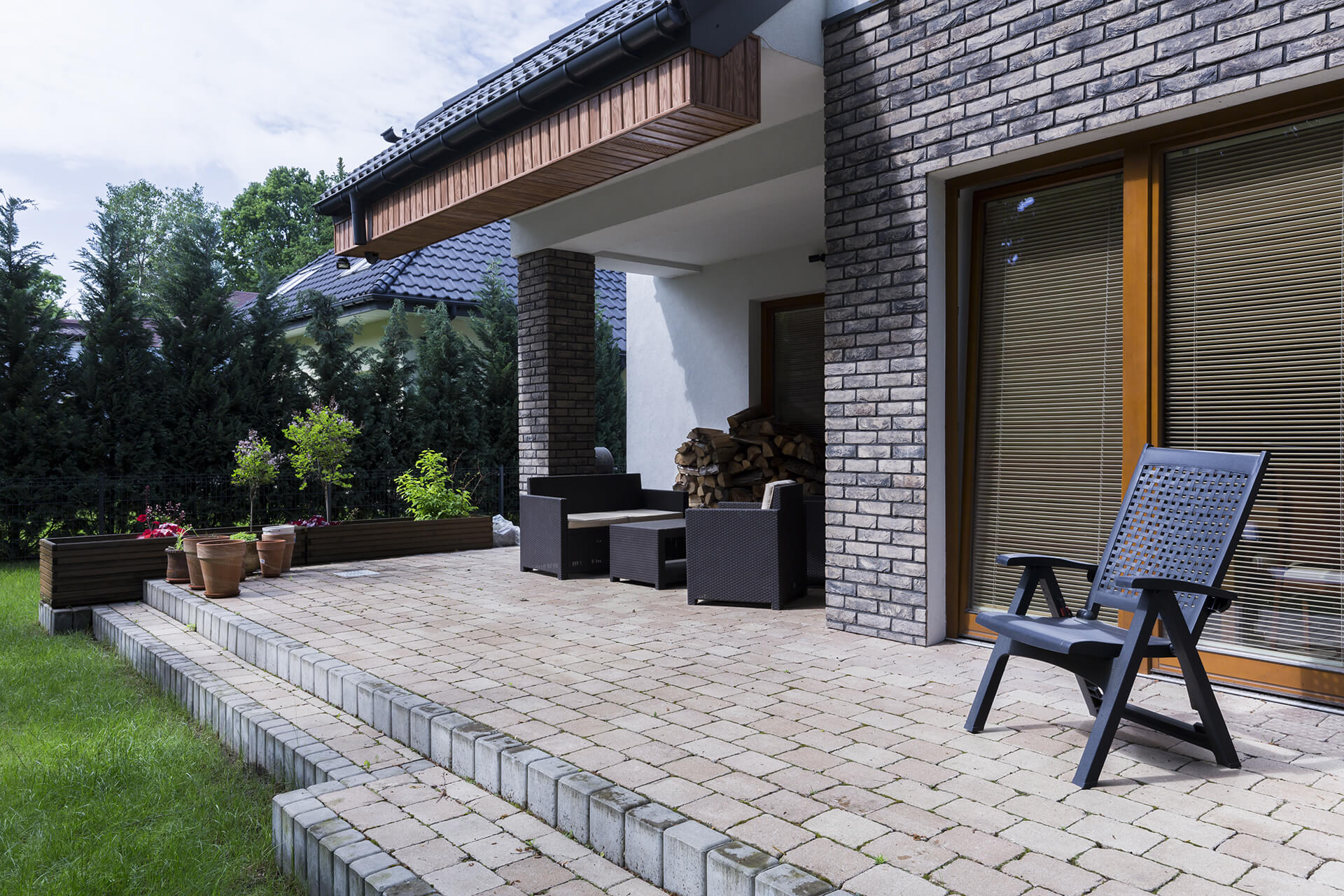
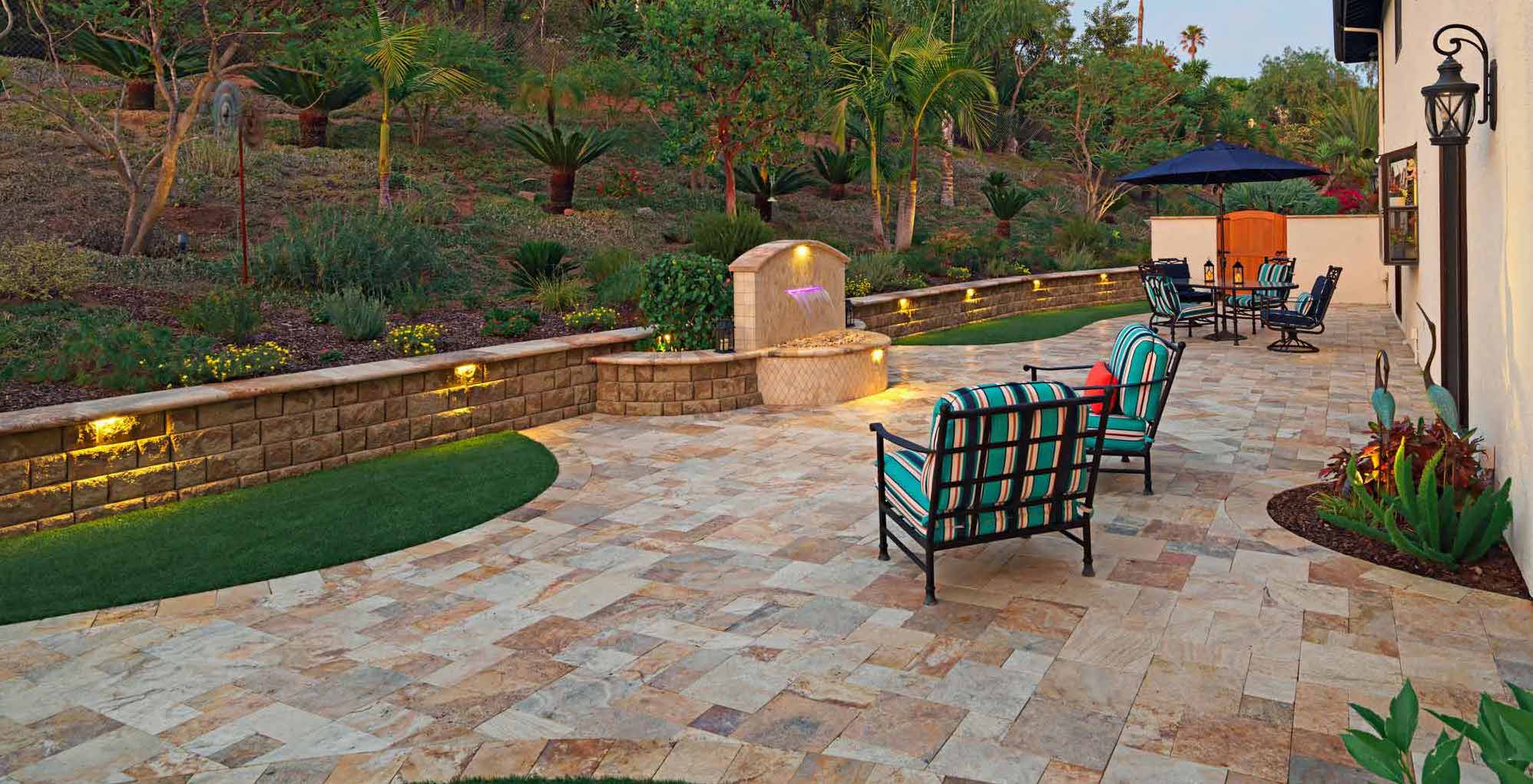
Pavers also warm up in the sun, but homeowners have more control over the finished surface. Lighter colors, thoughtful layout choices, shade structures, and surrounding landscape features can make patios, walkways, and pool areas more comfortable and visually balanced. Pavers are especially well suited to outdoor living spaces because they offer design options that asphalt simply cannot match.
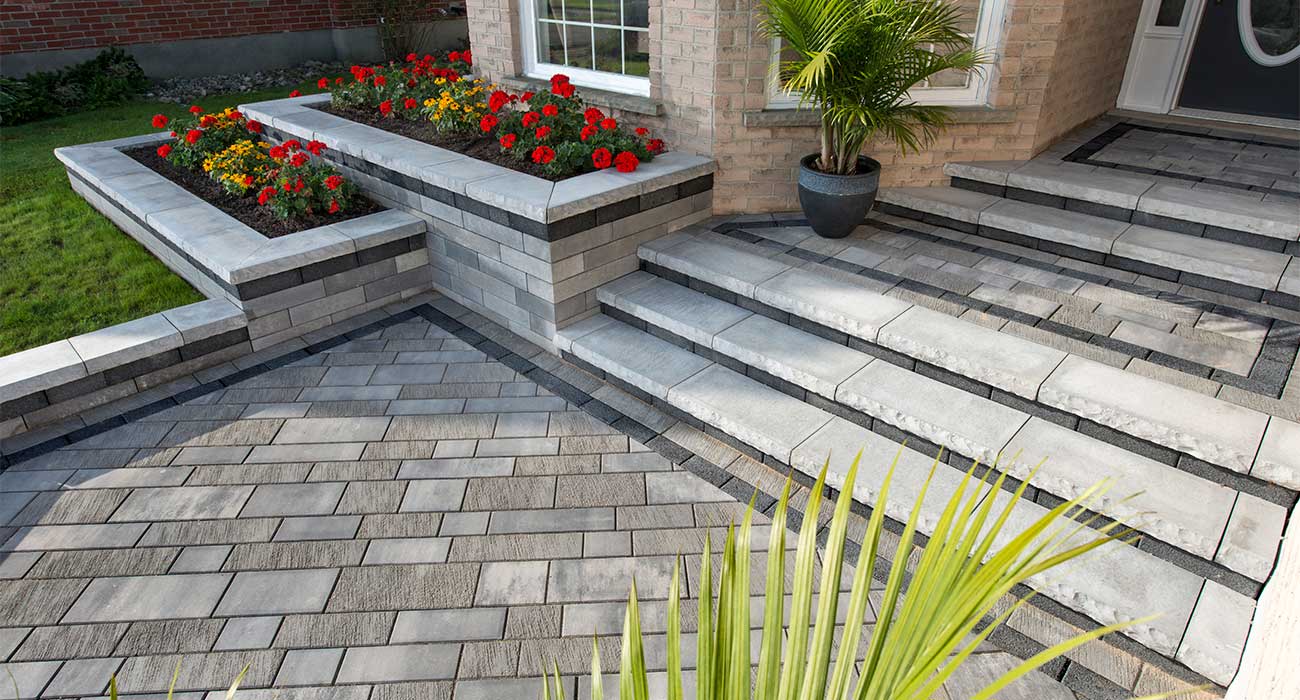
For a driveway, the difference is often just as noticeable. Asphalt creates one continuous dark field. A paver driveway can complement the home’s architecture with border details, patterns, colors, and coordinated walkways. It turns an ordinary approach to the garage into part of the property’s curb appeal.
Upfront cost versus long-term value
Asphalt usually has the lower initial installation cost. It can be installed quickly over a properly prepared base, which makes it appealing for homeowners who need to cover a broad area with a straightforward driving surface. That lower price, however, should be viewed alongside the maintenance it will likely require over its life.
Asphalt generally needs periodic sealcoating to help protect it from oxidation, sun exposure, and water intrusion. Cracks should be addressed quickly so they do not spread or allow water to reach the base below. Eventually, an asphalt driveway may need more extensive patching, resurfacing, or replacement.
Pavers typically require a greater investment at the beginning because each project includes excavation, base preparation, grading, edge restraint, bedding material, installation, compaction, and joint stabilization. A quality segmental paver system is not just a layer of attractive units placed on the ground. The hidden preparation determines how well the finished surface performs.
That investment can pay back in serviceability and lasting appeal. If an individual paver becomes stained, chipped, or damaged, it can often be lifted and replaced without tearing out the entire driveway or patio. If access is needed for an underground repair, pavers can be removed and reset after the work is complete. That is a major advantage over patching asphalt, where repaired areas often remain visibly different from the surrounding surface.
Design freedom changes the project
Asphalt has one primary job: create a smooth driving surface. It can be functional, but it offers limited opportunity for custom design. Pavers give homeowners the freedom to build a complete exterior environment instead of treating each area as a separate surface.
A paver driveway can connect naturally to a front walkway, entry steps, courtyard, or side yard path. In the backyard, matching or complementary pavers can define a dining patio, fire pit area, outdoor kitchen space, and pool deck. Borders can create visual structure, while patterns can make a large surface feel intentional rather than flat and empty.
This flexibility matters in Arizona, where outdoor spaces are used much of the year. A patio should feel like an extension of the home, not an afterthought. Pavers come in a wide range of styles, from clean contemporary lines to classic stone-inspired textures, allowing the surface to support the home’s character.
Drainage and base preparation matter more than material alone
A beautiful surface can still fail if the ground beneath it is not prepared correctly. This is where homeowners should look beyond the material comparison and ask how the contractor plans to build the project from the ground up.
Monsoon storms can send water across driveways, patios, and side yards quickly. Proper grading helps move water away from the home and prevents it from sitting where it can undermine the surface. A compacted aggregate base provides strength and helps distribute vehicle loads. Edge restraints keep pavers from shifting outward, while properly installed joint material helps maintain interlock across the field.
Asphalt also depends on a stable, well-compacted base. If the base is weak, drainage is poor, or the subgrade moves, cracks and depressions may appear sooner than expected. No surface material can overcome poor site preparation.
At Liberty Pavers, preparation is treated as part of the finished product. Homeowners may only see the color and pattern after installation, but the excavation depth, base compaction, slope, and edge detailing are what help the surface stay level and dependable.
Repairs look very different
Every driveway and patio eventually faces some level of maintenance. The advantage of pavers is that maintenance is usually targeted. A stained or damaged section can often be repaired by addressing the specific pavers involved. Settling in one area can be corrected by removing the pavers, rebuilding the base as needed, and reinstalling the original material.
With asphalt, cracks are often filled or sealed, but those repairs can remain visible. Patches may have a different color or texture, and the surface naturally fades from black to gray as it ages. Resurfacing can refresh the appearance, but it is a larger event than replacing a few individual pavers.
Paver maintenance is straightforward but not nonexistent. Homeowners should keep the surface clean, manage weeds that may emerge at edges or joints, and replenish joint sand when needed. Sealing may be chosen to enhance color or assist with stain resistance, depending on the paver type and project goals. The key is that pavers allow you to maintain the surface in pieces rather than treating the whole area as one permanent slab.
Where asphalt makes sense
Pavers are not automatically the best choice for every property. Asphalt can make sense for a long rural driveway, a large utility area, or a homeowner who needs a simple paved surface at the lowest possible initial cost. It is also familiar, fast to install, and functional when built on a sound base and maintained consistently.
But asphalt is rarely the first choice for a pool deck, decorative front entry, backyard entertaining area, or custom patio. Its dark color, limited style options, and repair appearance make it less suited to spaces where comfort and presentation matter. For homes in Scottsdale, Gilbert, Chandler, Mesa, Peoria, and across the Phoenix metro area, those details can make a substantial difference in everyday enjoyment and curb appeal.
Choosing the right surface for your home
Start with the purpose of the space. If it is a driveway, consider daily vehicle traffic, parking patterns, and whether the approach to your home should make a stronger visual statement. If it is a patio or pool area, think about barefoot comfort, slip resistance, furniture placement, drainage, and how the space will feel when family and friends gather outside.
Then look at the full ownership cost, not only the first estimate. A lower initial price can be attractive, but repeated sealing, visible patches, and eventual resurfacing may change the equation. A paver installation costs more upfront in many cases, yet it offers a custom finish and repair flexibility that can make it a smarter long-term investment.
Your home deserves a surface built for the way you live outside. Request a clear, fixed quotation, ask how the base will be prepared, and choose a design that makes every arrival home and every backyard gathering feel more finished.