

A backyard patio should not become the surface you avoid every summer because it is cracked, uneven, or too hot to enjoy. A professional paver patio installation gives Arizona homeowners a more flexible way to create outdoor dining areas, fire-pit spaces, poolside seating, and room for family gatherings – without settling for a plain slab that can show damage over time.
The pavers you see are only part of the project. Long-term performance depends on the excavation, grading, compacted aggregate base, edge restraint, and final jointing work underneath. When those details are handled correctly, your patio is built to look distinctive and hold up through intense sun, monsoon rain, active kids, patio furniture, and the everyday demands of outdoor living.
Why Pavers Make Sense for Arizona Patios
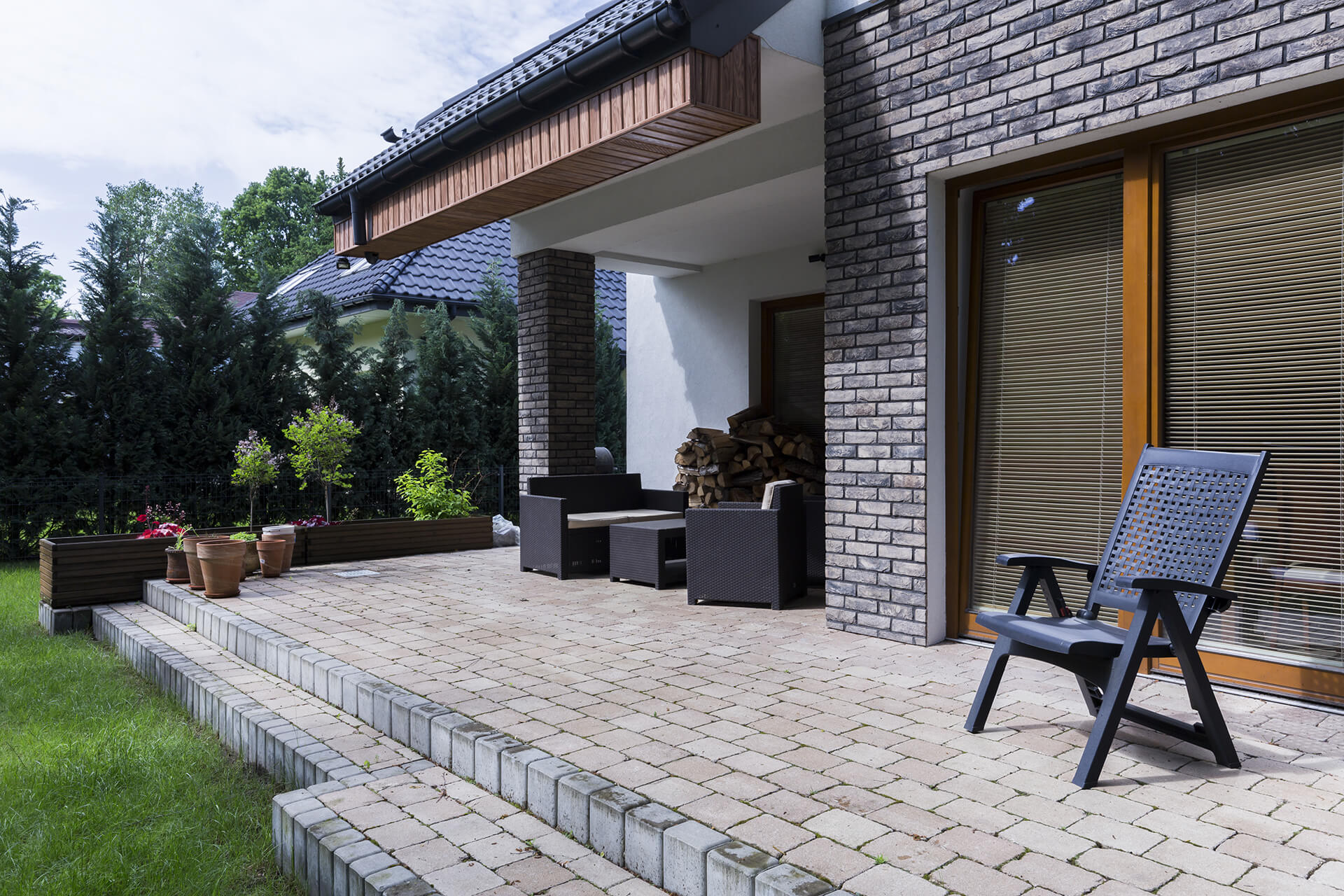
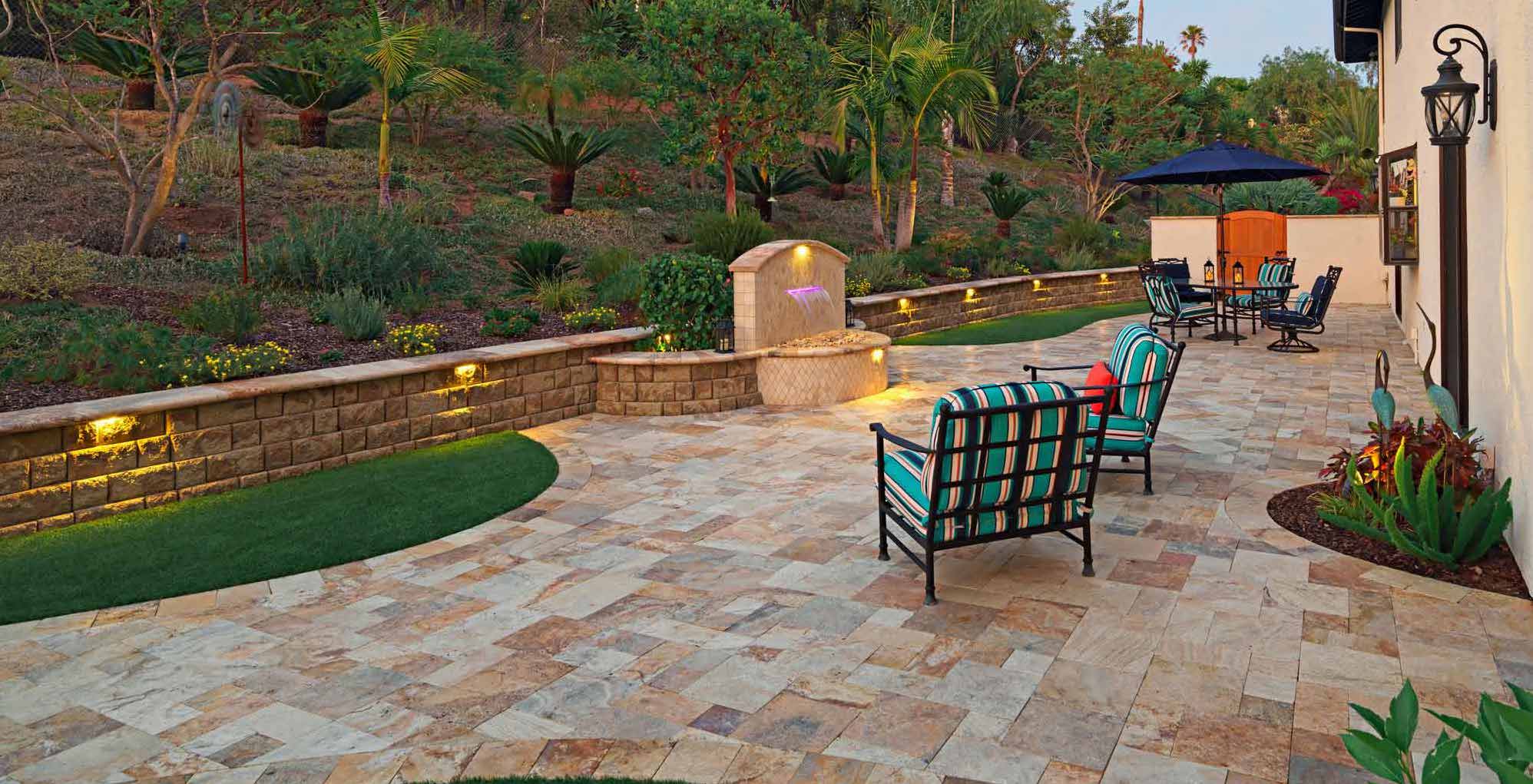
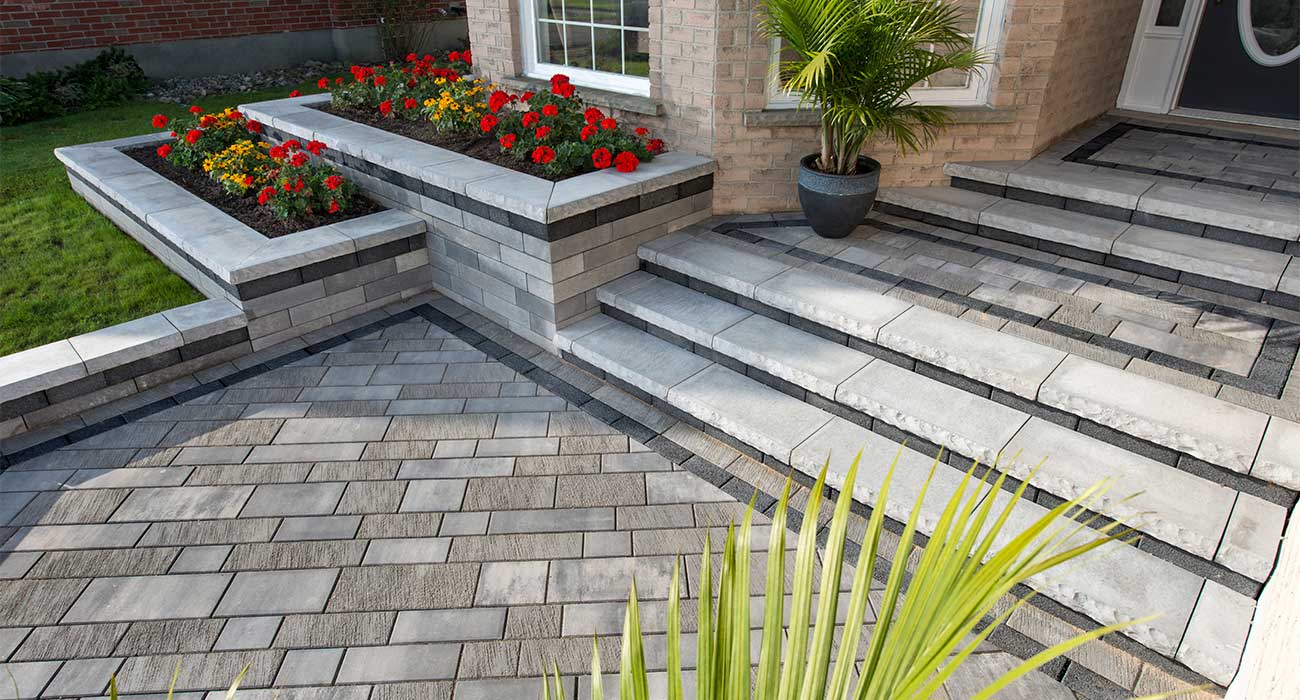
Pavers are a strong choice for homeowners who want more than a basic rectangle of concrete. They come in a wide range of shapes, colors, textures, and laying patterns, so a patio can complement a modern Scottsdale home, a traditional Chandler backyard, or a desert-inspired pool area in Mesa. Borders, contrasting inlays, curved edges, and coordinated walkways can make the patio feel like part of the original property design.
Performance matters just as much as appearance. Individual pavers create a segmental surface that can accommodate minor ground movement better than a monolithic concrete slab. If a paver is ever stained or damaged, it can often be removed and replaced without tearing out the entire patio. Textured paver options also provide valuable traction around pools, outdoor kitchens, and areas exposed to water.
That does not mean every paver is right for every project. Light colors can feel more comfortable underfoot in direct Arizona sun, while darker tones may create a bolder visual contrast but absorb more heat. A smooth contemporary paver may suit a covered dining area, while a more textured product can be a better fit near a pool. Material selection should follow how you will use the space, not just what looks good in a sample board.
The Foundation Behind a Lasting Paver Patio Installation
The most attractive paver patio can fail if the foundation is rushed. Settling, standing water, loose edges, and shifting pavers are usually installation problems before they are paver problems. That is why preparation deserves as much attention as the finished pattern.
Site Layout and Drainage
Every project starts by defining the patio footprint, elevation, access points, and intended use. A dining patio needs enough space to pull chairs back comfortably. A fire-pit patio needs safe circulation around the seating area. If the patio meets a pool deck, walkway, turf area, or existing concrete, those transitions need to be planned rather than improvised at the end.
Drainage is especially important in Phoenix-area communities. A patio should be graded so water moves away from the home and does not collect against walls, doors, or low spots. Monsoon storms can expose poor drainage quickly. In some yards, the right solution includes subtle surface slope; in others, it may require drainage features or adjustments to the surrounding landscape.
Excavation and Base Preparation
After layout, the crew excavates to the required depth for the base materials, bedding layer, and paver thickness. The needed depth depends on site conditions, soil, patio use, drainage requirements, and final elevation. A patio used for foot traffic does not require the same structural design as a driveway, but it still needs a stable, well-compacted foundation.
In Arizona, hard caliche and variable native soils can affect excavation and compaction. Skipping this work to save time is not a value. A properly placed aggregate base is installed in controlled lifts and compacted thoroughly, creating the stable platform that supports the finished surface. This is the part of the job homeowners rarely see once the project is complete, yet it has the greatest influence on whether the patio stays level.
Bedding Sand, Paver Placement, and Edge Restraints
A precise bedding layer is leveled over the compacted base to support the pavers. The pavers are then placed according to the selected pattern, with cuts made carefully around curves, columns, steps, planters, and built-in features. Good craftsmanship shows in straight lines, consistent joints, clean borders, and transitions that do not look like an afterthought.
Edge restraints lock the perimeter in place. Without secure restraint, pavers at the outside edges can gradually spread or shift. Once the patio is installed, joint sand is swept into the spaces between pavers and the surface is compacted to help interlock the system. Depending on the project and product selection, polymeric joint sand may be recommended to improve joint stability and help limit weed growth.
Designing a Patio Around How You Live
The best patio designs solve real backyard problems. If your current space has a narrow concrete pad, extending it with pavers can create room for a larger table, lounge chairs, or a grill station. If the yard feels disconnected, a paver walkway can connect the patio to a pool, side gate, turf play area, or garden feature.
For homeowners building a full outdoor living space, the patio often becomes the visual anchor. It can frame an artificial turf area, support a pergola, lead to a fire pit, or create a clean foundation for an outdoor kitchen. A border in a complementary color can define the edge of the entertaining zone, while a different laying pattern can give a simple rectangular patio more character without making the design feel busy.
Think about furniture before finalizing dimensions. A patio may look generous on paper but feel cramped once a sectional, dining set, grill, and foot traffic are added. It is also wise to account for shade. A west-facing patio may benefit from a covered structure, strategically placed trees, or a layout that keeps the primary seating area away from the hottest afternoon exposure.
What Affects Paver Patio Cost?
A fixed estimate should reflect the full scope of the work, not just the visible square footage. Patio size matters, but so do excavation conditions, access to the backyard, demolition of existing concrete, required base depth, drainage corrections, paver style, border details, curves, steps, and added features such as fire pits or retaining walls.
A small, straightforward patio can be a practical upgrade. A custom poolside retreat with multiple materials and detailed masonry will carry a different investment. The right contractor explains those differences clearly so you can make decisions before construction begins. A lower initial quote can become expensive if it leaves out base preparation, proper drainage, removal work, or finishing details that the project actually needs.
Keeping Your Paver Patio Looking Its Best
Paver patios are low maintenance, not no maintenance. Routine sweeping prevents dirt and leaves from collecting in joints. A garden hose or appropriate surface cleaner can address normal dust and spills, while localized stains should be treated with a cleaner suitable for the paver and stain type. Avoid harsh methods that can damage the surface or wash out joint material.
Inspect the patio occasionally, especially after heavy monsoon weather. If joint sand becomes low in high-traffic areas, replenishing it helps maintain interlock. Address drainage changes, irrigation overspray, or settling in nearby landscape areas before they affect the patio edge. Sealing can be a good option for some homeowners who want enhanced color or added stain resistance, but it is not required for every paver system and should be selected carefully for the desired finish.
A well-built patio should make your backyard easier to use, not give you another surface to worry about. Liberty Pavers can help you turn your ideas into a custom space with clear planning, quality materials, and the preparation work needed to protect your investment. Get a quotation, ask the practical questions, and choose a patio design that will still feel like the right decision after many Arizona summers.