

Your driveway apron does more than bridge the street and your driveway. It is the first surface guests, neighbors, delivery vehicles, and potential buyers see. In the Phoenix area, it also takes a serious beating from intense sun, monsoon runoff, tire traffic, and daily temperature swings. Choosing the best driveway apron materials means balancing appearance, drainage, maintenance, and the quality of the installation below the surface.
A cracked, stained, or uneven apron can make an otherwise beautiful home feel unfinished. The right material, properly prepared and installed, creates a clean transition from the curb to your property while protecting your investment for years to come.
What a Driveway Apron Needs to Handle
A driveway apron is the section of pavement between the road and the main driveway. Depending on your neighborhood and local requirements, it may sit partly within the public right-of-way. That makes planning important before construction begins.
For Arizona homeowners, the surface must handle more than parked cars. It needs to support turning tires, occasional heavier service vehicles, direct UV exposure, fast-moving rainwater during monsoons, and soil movement beneath the driveway. The material matters, but the base preparation matters just as much.
A finished surface is only as dependable as the compacted aggregate base, edge restraint, slope, and drainage plan beneath it. Skipping those details may save money at the start, but it often leads to settlement, shifting, and repairs later.
Best Driveway Apron Materials for Arizona Properties
There is no one material that fits every home, budget, or architectural style. The best choice depends on whether you want a straightforward repair, a custom curb-appeal upgrade, or a driveway surface that connects visually with your patio, walkway, or front entry.
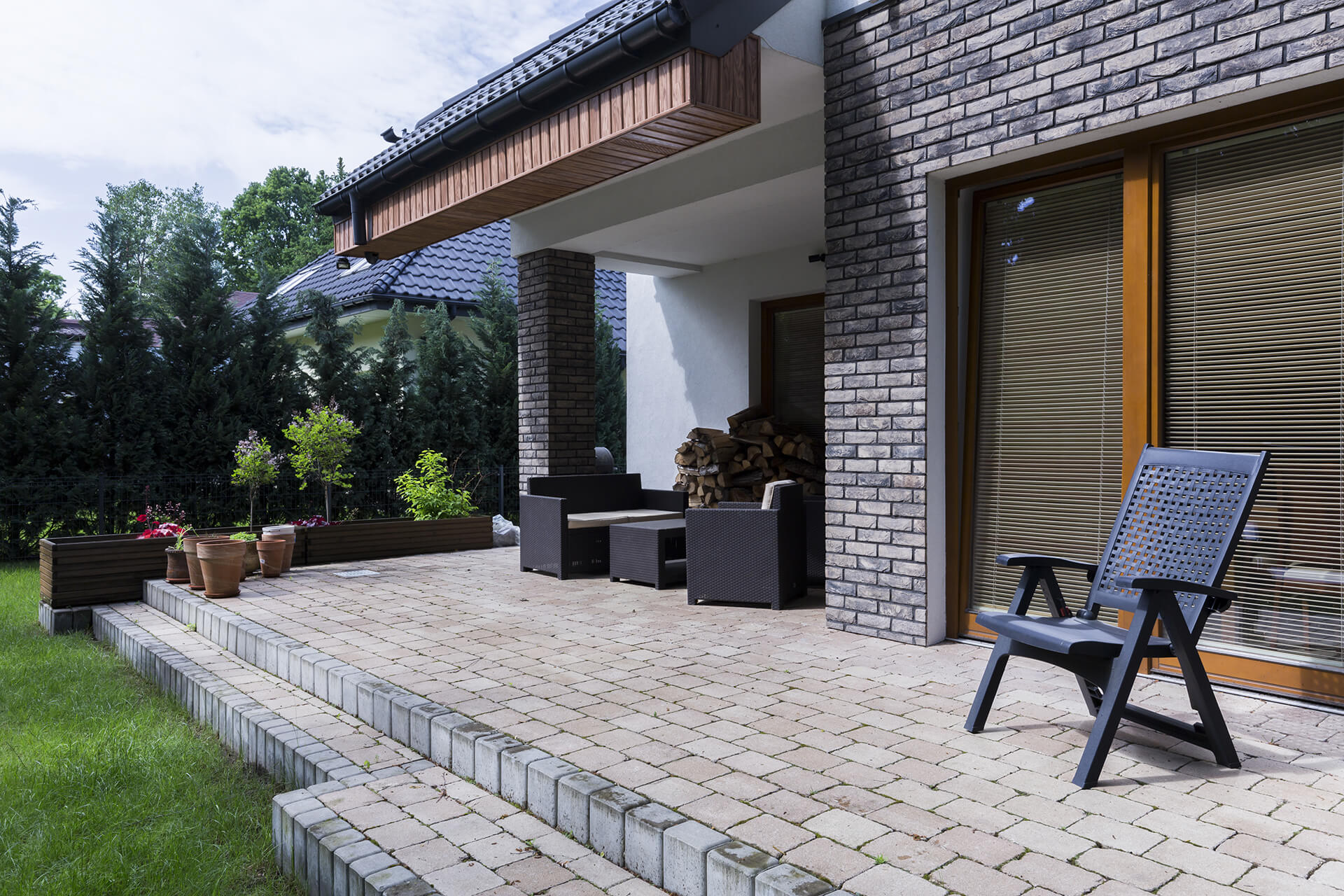
Interlocking Concrete Pavers
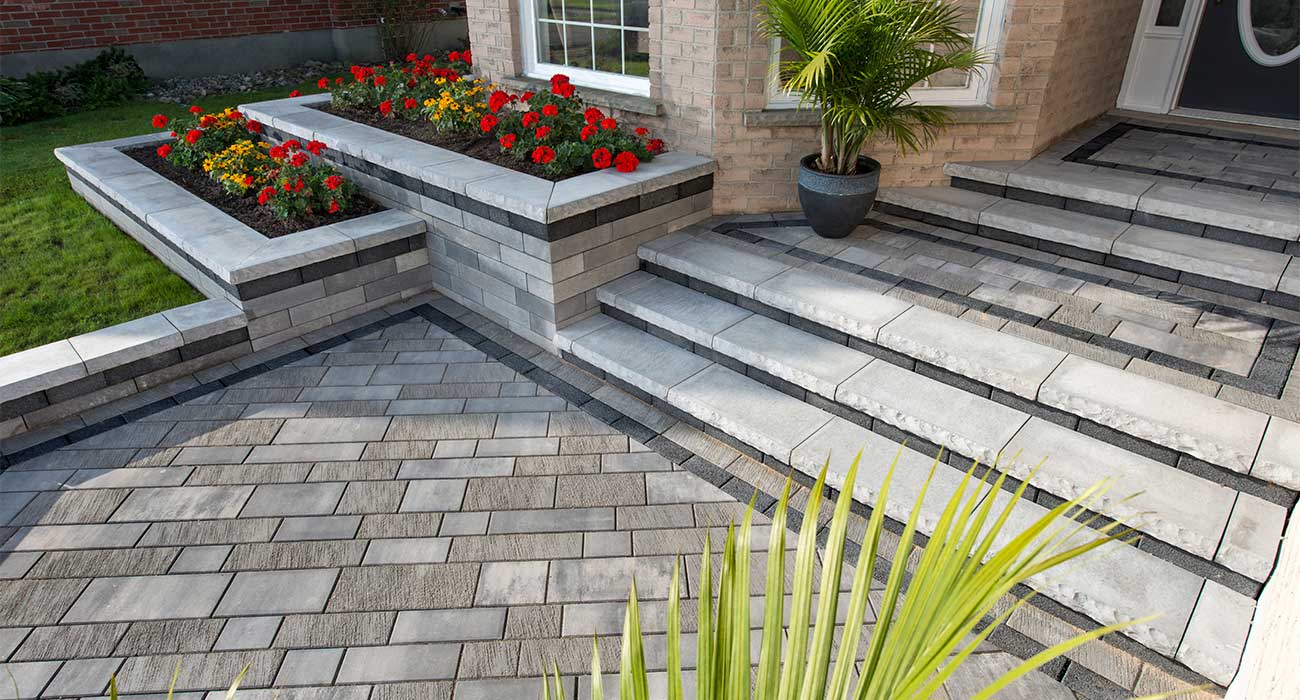
For many Arizona homes, interlocking concrete pavers are one of the strongest choices for a driveway apron. They offer a polished, custom appearance while providing the flexibility that a large poured slab cannot. Individual pavers can move slightly with normal ground conditions instead of forcing one long crack across the entire surface.
Pavers also give homeowners more design control. You can choose from warm desert tones, grays, charcoal borders, herringbone patterns, basketweave layouts, and clean contemporary lines. A contrasting border can define the apron and make the driveway look intentionally designed rather than simply paved.
Performance depends heavily on installation. A driveway paver system needs excavation to the proper depth, a graded and compacted base, bedding sand, strong edge restraints, and pavers rated for vehicular use. When a paver does become damaged or stained, it can usually be replaced individually without demolishing the entire apron.
Pavers generally cost more upfront than basic concrete, but their long-term value is compelling for homeowners who want visual distinction, repairability, and a surface built to stand out from the norm.
Poured Concrete
Poured concrete remains a practical option for a simple driveway apron, especially when matching an existing concrete driveway. It delivers a clean, uniform look and can be installed in a range of finishes, including broom-finished, colored, or lightly textured concrete.
Concrete is often selected for its initial affordability, but homeowners should understand the trade-off. Arizona heat and ground movement can contribute to cracking over time. Control joints help guide where cracks occur, yet they do not guarantee a crack-free surface. Once cracks, spalling, or stains become noticeable, repairs may remain visible.
The best concrete apron is not just a thin layer poured over unstable soil. It requires proper excavation, compaction, reinforcement where appropriate, well-planned joints, and correct slope away from the home. Concrete can serve a home well, but it needs thoughtful construction from day one.
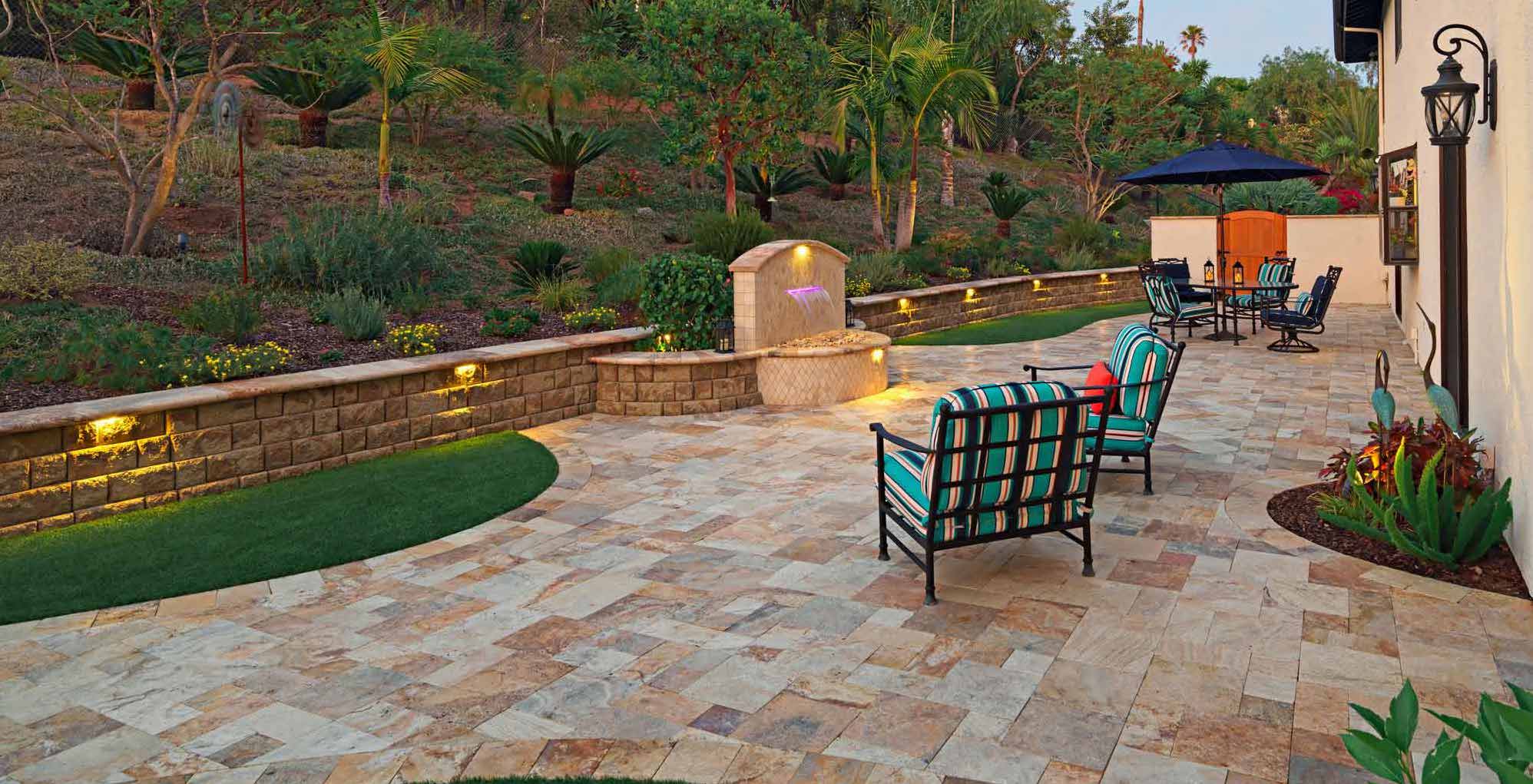
Natural Stone
Natural stone creates a high-end entrance with character that manufactured materials cannot fully duplicate. Flagstone, cobblestone-style stone, and certain cut stone products can complement Southwest, Mediterranean, rustic, and luxury desert architecture beautifully.
Stone is durable, but it is not automatically the right driveway-apron choice. The exact product must be thick and strong enough for vehicle loads, and the installation method must match the material. Some natural stone is better suited for pedestrian walkways and courtyards than areas where vehicles turn and brake.
Stone is usually a premium investment because of material costs, cutting, fitting, and labor. It makes the most sense when the apron is part of a larger custom hardscape plan that includes stone entry features, retaining walls, pathways, or a matching outdoor living area.
Brick Pavers
Brick pavers bring classic color and texture to a front approach. They work especially well with traditional, historic-inspired, craftsman, and warm transitional home designs. Their smaller format can create attractive patterns and curved borders that soften a wide expanse of driveway.
Not all brick products are intended for driveways, so choose units designed for vehicular traffic. Like concrete pavers, brick pavers rely on a stable base and proper edge restraint. They can develop a natural patina over time, which some homeowners love and others may see as added maintenance.
In Arizona, brick can be an excellent accent material or a full apron surface when the color palette suits the home. A professional can help you avoid selecting a brick that looks too dark, too busy, or out of place against the existing exterior finishes.
Decorative Concrete and Stamped Concrete
Decorative concrete can imitate stone, slate, tile, or paver patterns at a lower initial price than some individual-unit installations. Color hardeners, stains, stamps, and saw-cut patterns allow for more personality than plain gray concrete.
The limitation is still concrete itself. Decorative finishes do not remove the possibility of cracking, and repairs can be difficult to blend into a patterned or colored surface. Sealers may also need periodic renewal to maintain color and surface protection under Arizona sun.
This option can work for homeowners who want a more decorative look while keeping a concrete-based driveway system. It is best viewed as a style upgrade, not as a replacement for the flexibility and repairability of a well-built paver system.
How to Choose the Right Material
Start with the condition of the existing driveway and the goal for the front of your home. If the driveway is already pavers, extending that material through the apron often creates the most cohesive result. If you are planning a complete front-yard refresh with walkways, artificial turf, landscape walls, or a new entry path, coordinating materials can dramatically improve curb appeal.
Next, consider traffic and turning patterns. A narrow apron where vehicles turn sharply needs a surface and base designed for concentrated stress. A home on a busier street may also need a drainage plan that prevents runoff from crossing the sidewalk or collecting near the garage.
Finally, be realistic about maintenance preferences. Pavers may need occasional joint-sand replenishment, cleaning, or sealing depending on the finish and exposure. Concrete may require crack repair and resealing. Natural stone may need specialized cleaning. No exterior surface is maintenance-free, but a quality installation keeps routine care manageable.
Do Not Overlook Drainage and Local Requirements
An attractive driveway apron should never send water toward your garage, foundation, or neighboring property. Proper grading is essential, particularly in areas that see intense monsoon storms. Water should move predictably, without washing out bedding material or pooling at the curb.
Before work begins, check municipal rules and HOA guidelines. Some cities regulate work in the public right-of-way, curb cuts, sidewalk connections, drainage, and permitted materials. Your contractor should identify whether approvals are needed and design the transition to meet applicable requirements.
Installation Is Where Long-Term Value Is Built
The surface homeowners see is only the final layer of the project. The lasting value comes from removing unstable material, establishing the right depth, compacting the base in lifts, shaping drainage, and securing the edges. Those steps are especially important for paver aprons, where a weak base can allow settling even when the pavers themselves are high quality.
At Liberty Pavers, we approach driveway aprons as part of the full exterior picture, not as a quick patch at the curb. A clear design, fixed estimate, quality materials, and workmanship-focused preparation help protect the finished look and the investment beneath it.
The right apron should make arriving home feel better every day. Choose a material that fits your home, make sure the base and drainage are handled correctly, and get a professional quotation before a small curbside improvement turns into a costly repair.