

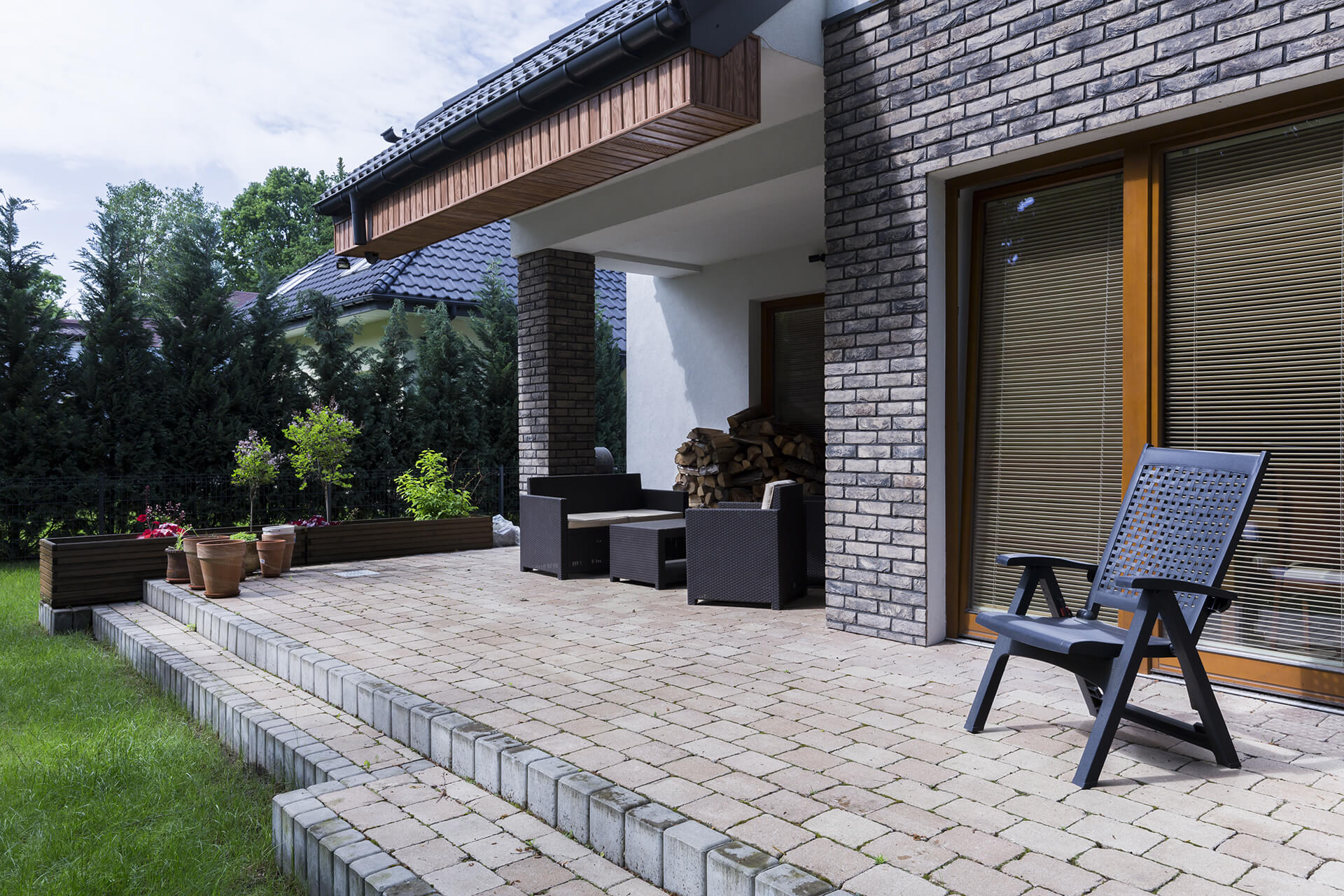
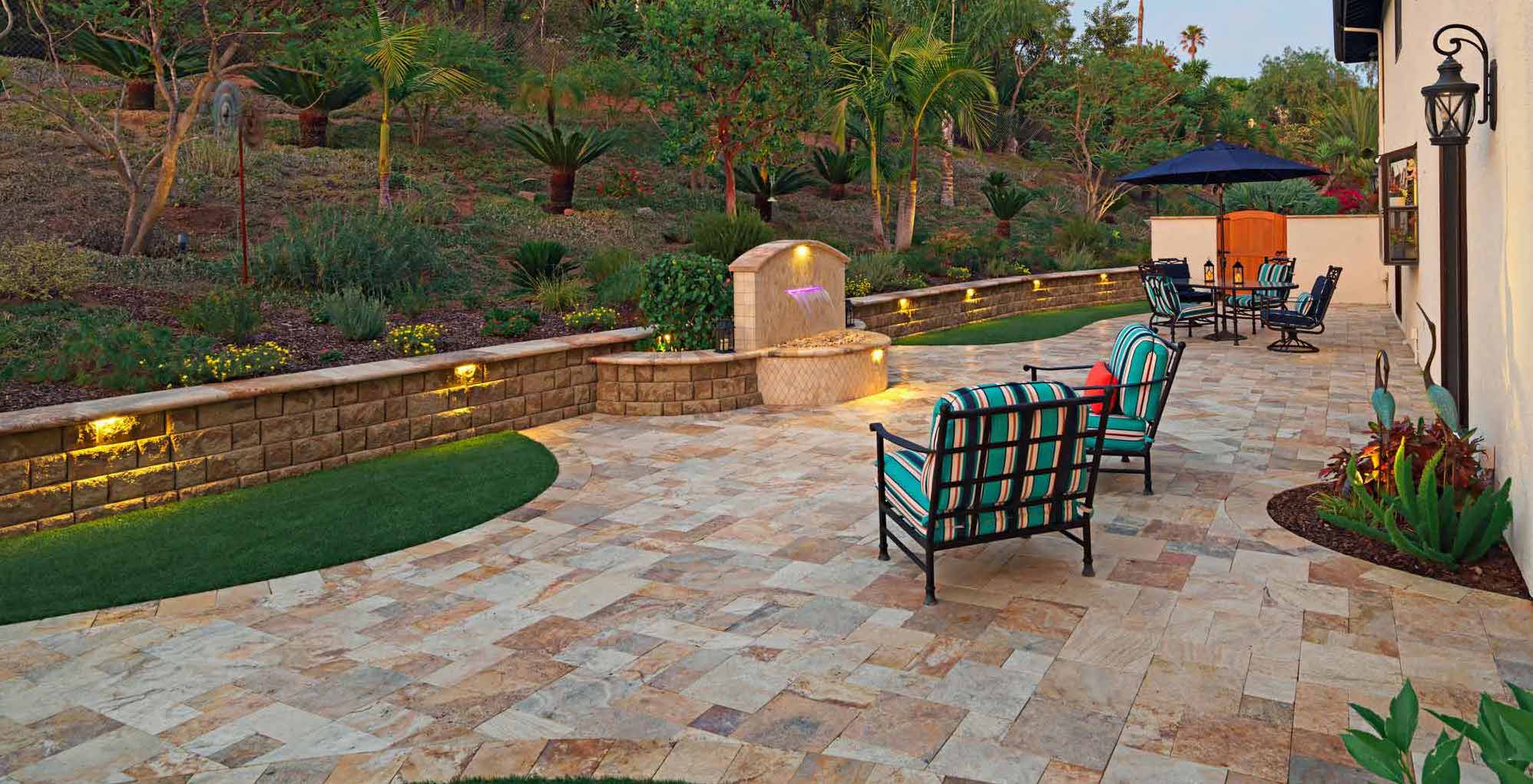
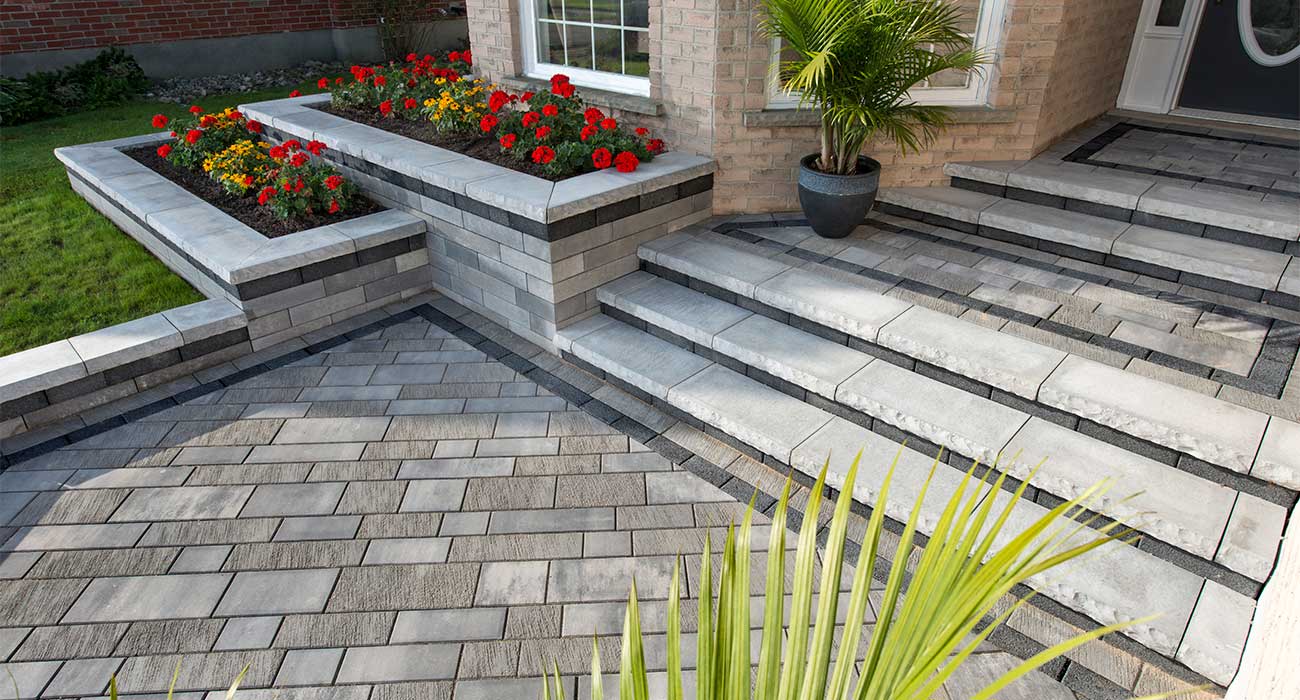
A beautiful paver patio or pool deck starts long before the first stone is set. In Arizona, intense sun, monsoon runoff, shifting soils, and daily outdoor use all put pressure on exterior surfaces. This residential hardscape planning guide helps you make confident decisions before construction begins, so your new space looks exceptional and performs for years.
Start With How You Want to Use the Space
The best hardscape plan begins with real life, not a material sample. Think about how your household uses the front yard and backyard now, and how you want to use them after the project is complete. A driveway has different demands than a fire-pit patio. A pool deck needs a different surface and drainage approach than a narrow garden walkway.
Picture the moments that matter. You may need a patio large enough for a dining table, grill, and lounge seating without making the yard feel crowded. You may want a pathway that creates a clean route from the side gate to the backyard. A front-entry walkway may need to improve curb appeal while solving an awkward slope or worn concrete path.
For entertainment spaces, give furniture and circulation room the attention they deserve. A patio can look spacious on a drawing but feel tight once chairs are pulled out or guests gather around a fire pit. For driveways, consider vehicle count, turning space, garage access, and where guests will park. A little planning at this stage prevents a finished surface that is attractive but undersized.
Read Your Property Before Choosing a Design
Every Arizona property has its own grade, drainage patterns, access limitations, and soil conditions. Those details should shape the design from the start. Water needs a planned path away from the home, pool equipment, and low-lying areas. During monsoon season, a beautiful patio that holds water is not a successful patio.
Walk the property after a heavy rain if possible. Watch where water pools, where it moves quickly, and whether downspouts discharge near a planned hardscape area. Existing irrigation, utility lines, mature trees, gates, and air-conditioning equipment also affect the layout and installation process.
Grade changes deserve special attention. A modest elevation difference may call for steps, a small retaining wall, or a carefully sloped paver surface. Trying to hide a drainage problem beneath new pavers only delays the repair. Proper excavation, grading, base preparation, and edge restraint are the work that protects the investment below the finished surface.
Choose Materials for Arizona Conditions
Pavers, natural stone, travertine, brick, and concrete all create distinct looks, but appearance is only part of the decision. The right material depends on location, traffic, heat exposure, desired maintenance, and budget.
Segmental concrete pavers remain a popular choice for patios, driveways, walkways, and pool decks because they offer design flexibility and long-term repair advantages. Individual pavers can be removed and reset if access to underground utilities is needed or a localized area settles. Their joints also help create a system that can handle small movements better than a large, continuous slab.
Travertine brings a refined, natural look to pool areas and outdoor living spaces. It can feel more comfortable underfoot than some dense surfaces, but it needs thoughtful selection, installation, and maintenance. Natural stone offers dramatic character, while brick can bring warmth and timeless curb appeal to pathways and patios.
Poured concrete may appear less expensive at first, especially for a simple slab. However, Arizona heat, soil movement, and cracking can change the long-term equation. Decorative concrete is a good fit for some applications, but homeowners should weigh initial cost against repair needs, design flexibility, and the performance they expect over time.
Consider Heat, Traction, and Maintenance Together
A pool deck should not be chosen on color alone. Light-colored materials can help reduce surface heat, while the texture and finish influence traction around water. The same goes for front walkways that may get wet during rain or irrigation cycles.
No outdoor surface is completely maintenance-free. Pavers may need occasional cleaning, joint sand renewal, or sealing depending on the material and location. The advantage is that routine maintenance is usually straightforward when the installation is built on a stable, properly compacted base.
Plan the Budget Around What Is Below the Surface
Homeowners often focus on the visible finish, but long-term performance is built below it. A fixed project estimate should account for demolition, excavation, hauling, grading, compaction, base material, bedding sand, edge restraints, drainage solutions, labor, and the selected surface material.
The lowest bid is not always the lower cost. If a contractor cuts corners on excavation depth, compaction, base thickness, or edge restraints, the finished patio or driveway can shift, settle, and separate sooner than it should. Repairs become more expensive when the underlying preparation was never done correctly.
Project costs also vary based on access and complexity. A backyard with narrow side access may require more labor and material handling. Curved borders, multiple elevations, built-in seating, fire features, retaining walls, and intricate paver patterns add value and visual impact, but they also require more detailed installation work.
Set priorities before requesting estimates. If your budget cannot cover every feature now, build the main surface correctly first and leave room for a future fire pit, outdoor kitchen, turf section, or landscape lighting. A phased plan works well when the first phase is designed to support the next one.
Build a Cohesive Outdoor Design
Hardscape works best when it connects the home, landscape, and outdoor lifestyle. Repeat colors from the roof, exterior paint, trim, or pool coping to create a finished look. A paver border can define a patio, frame artificial turf, or add distinction to a driveway without overwhelming the property.
Scale matters as much as color. Large-format pavers can make an open backyard feel clean and contemporary. Smaller pavers or brick details may suit a traditional entryway. A random stone pattern can feel natural around a freeform pool, while linear layouts complement modern architecture.
Think beyond the main surface. Retaining walls can create usable levels on a sloped yard. Steps can make transitions safer and more inviting. Artificial turf can soften a large paver area while reducing the water demands of natural grass. A fire pit can turn an unused corner into a gathering place during cooler desert evenings.
Do Not Treat Drainage as an Add-On
Drainage should be part of the design conversation, not a last-minute correction. Surface slopes, channel drains, swales, and transitions at gates or doorways must work together. The right answer depends on the property. A pool deck, driveway, and covered patio each manage water differently.
This is where an experienced design-and-build contractor earns trust. The crew should identify problem areas before installation, explain the proposed solution clearly, and avoid promises that ignore the reality of the site.
Choose a Contractor Who Explains the Process
Your contractor should be able to explain how the hardscape will be built, not just show you color samples. Ask how deep excavation will go, what base materials are used, how compaction is handled, and how the project will drain. For driveways and high-traffic areas, these questions are especially important.
You should also receive a clear scope of work and a straightforward estimate. Confirm whether demolition, disposal, grading, material delivery, cleanup, and warranty coverage are included. A licensed, bonded, and insured contractor provides additional peace of mind when work involves major exterior improvements.
Liberty Pavers approaches every installation with the understanding that the surface homeowners see is only as dependable as the preparation underneath it. That workmanship-first mindset helps protect curb appeal, daily usability, and the value of your property.
Turn the Plan Into an Outdoor Space You Will Use
Bring photos, measurements, and a realistic wish list to your project consultation. Share what frustrates you about the existing space, whether it is cracked concrete, poor drainage, a slippery pool deck, or a backyard that lacks a place to gather. The clearer the goal, the better the design can serve your home.
A well-planned hardscape does more than update a yard. It creates a dependable surface for morning coffee, family cookouts, pool days, holiday guests, and everyday arrival at home. Start with a design that respects Arizona conditions, insist on quality preparation, and choose features that will make you want to step outside more often.