

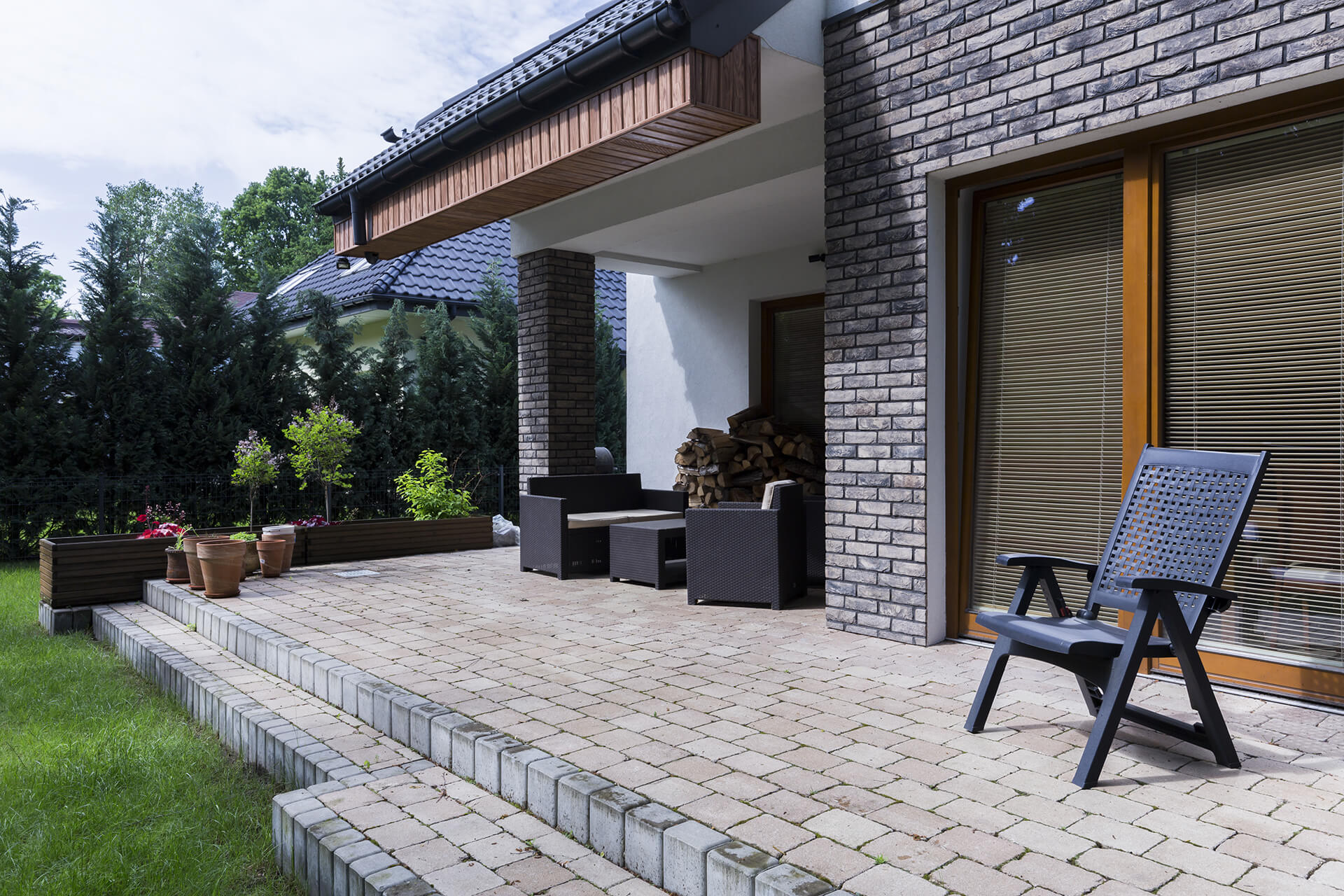
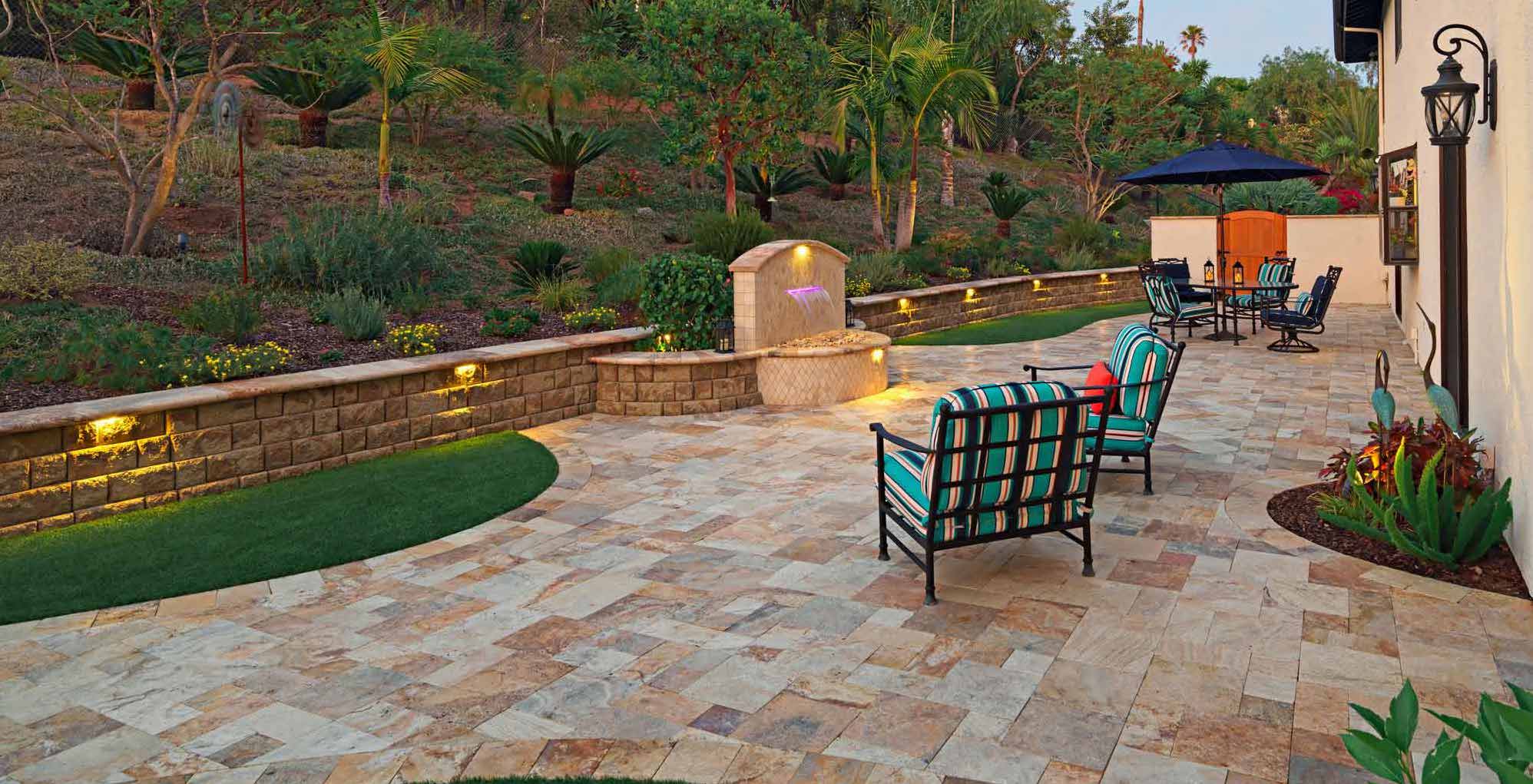
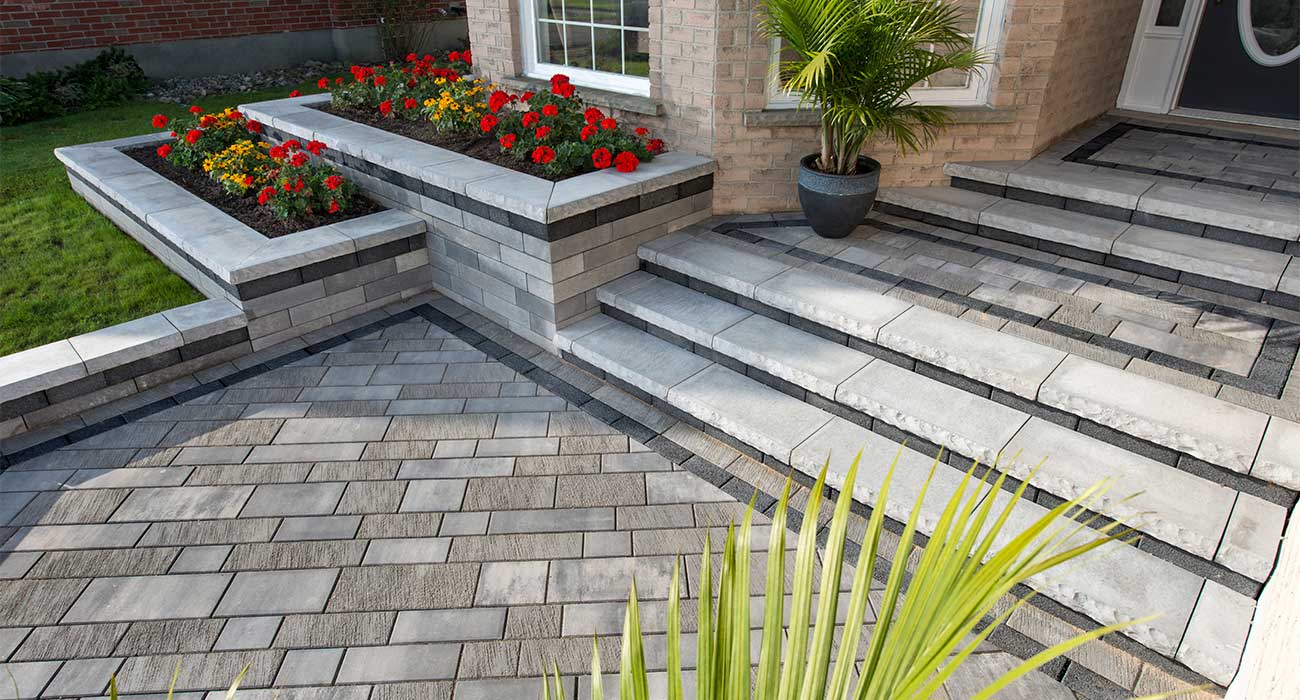
A driveway takes more punishment than almost any other surface around your home. It carries vehicles, stands under Arizona sun, catches monsoon runoff, and sets the first impression from the street. The best driveway paver patterns do more than look attractive – they help create a surface with the strength, movement, and curb appeal your property deserves.
The right pattern depends on your home’s architecture, driveway shape, paver size, and how you use the space. A wide Scottsdale driveway may call for a bold, tailored layout, while a compact Phoenix home may benefit from a pattern that makes the approach feel longer and more open. Here are the options worth considering before your project begins.
Why Driveway Pattern Matters More Than Homeowners Expect
Paver pattern is not simply a decorative finish selected at the end of the design process. The layout affects visual scale, how easily the surface handles traffic, where cuts fall along the edges, and how the driveway connects to your walkways, garage, landscaping, and front entry.
Interlocking concrete pavers gain much of their performance from the system beneath them: a properly excavated area, compacted aggregate base, bedding layer, edge restraints, and tightly jointed pavers. Pattern still plays a role. Layouts with frequent directional changes, especially herringbone, create excellent interlock under turning and braking forces. That makes them a dependable choice for active family driveways and wider vehicle areas.
A great pattern also gives the house a more finished presence. It can guide the eye toward the entry, make a narrow drive feel broader, or add contrast to a simple stucco facade without making the exterior feel busy.
Best Driveway Paver Patterns for Strength and Style
1. 45-Degree Herringbone
For many Arizona homes, 45-degree herringbone is the strongest all-around answer. Rectangular pavers are set at diagonal angles that form a repeating zigzag. The movement feels refined and intentional, while the interlocking layout is well suited to vehicle traffic.
This pattern works especially well on traditional, Mediterranean, Spanish Revival, and transitional homes throughout the Phoenix area. It also helps disguise everyday dust, tire marks, and minor surface variation better than layouts with long, uninterrupted joints. The trade-off is more perimeter cutting, which can add labor and material waste on irregular driveway shapes. Done with crisp borders, though, the result is worth it.
2. 90-Degree Herringbone
A 90-degree herringbone pattern has the same strong interlocking character but presents a more orderly, squared-off appearance. The pavers run at right angles, creating a look that feels classic and structured rather than diagonal and energetic.
It is a smart match for homes with clean rooflines, straight planting beds, formal entries, or rectangular lots. Because the pattern aligns naturally with square borders and garage openings, it can look particularly sharp on straight driveways. Homeowners who want a durable layout without a highly decorative feel often choose this option.
3. Running Bond
Running bond places rectangular pavers in parallel rows, with each joint offset from the row beside it. Think of the familiar look of brickwork, adapted for a driveway. It is simple, timeless, and versatile enough for both contemporary and traditional Arizona architecture.
The direction of the rows changes the visual effect. Rows running from the street toward the garage can make a short driveway seem longer. Rows running side to side can make a narrow driveway appear wider. For driveways with frequent sharp turns or heavier vehicle loads, a herringbone layout may offer better interlock, but running bond performs beautifully when supported by professional base preparation and solid edge restraints.
4. Stack Bond
Stack bond lines up pavers in clean rows and columns. Its straight joints create a crisp grid that feels at home with modern desert architecture, minimalist landscaping, and smooth stucco or contemporary block facades.
This is one of the most visually striking driveway paver patterns, particularly with large-format pavers in charcoal, sand, silver, or warm gray tones. However, it is less forgiving than offset patterns. Small alignment errors stand out, and long joints make precise installation essential. It is best for homeowners who want a bold modern statement and are willing to invest in exacting workmanship.
5. Basketweave
Basketweave uses pairs of rectangular pavers set perpendicular to one another, creating the appearance of woven sections. It brings texture and old-world character without requiring multiple colors or ornate materials.
This layout looks right at home with brick-inspired pavers, ranch homes, courtyard entries, and properties aiming for a warm, established feel. It is less common than herringbone, which can help a driveway stand out from the norm. Basketweave is also a good option when you want visual detail but prefer a softer, less directional pattern.
6. Linear Large-Format Layouts
Long rectangular pavers installed in linear bands offer a clean, upscale look for contemporary homes. The design can use a single paver color for a calm, architectural surface or combine two complementary tones for subtle movement.
Large-format layouts require thoughtful planning. Bigger units mean fewer joints, which homeowners often love visually, but they also make poor base work more noticeable. A driveway is not the place to cut corners below the surface. Proper excavation, compaction, grading, and edge restraint are what allow the clean lines to stay clean over time.
7. Random Ashlar
Random ashlar combines several paver sizes in a planned, repeating arrangement that appears naturally varied. It can resemble cut stone and gives a driveway a custom, high-end feel. This pattern is an excellent fit for larger homes, estate-style properties, and outdoor designs that include stone accents, retaining walls, or a matching paver courtyard.
Because the pattern has more visual movement, it is good at hiding dust and everyday wear. It does require a skilled layout plan. Random should never mean improvised. The paver sizes, joint spacing, transitions, and borders need to be designed together so the surface looks intentional from the curb to the garage.
8. Mixed Pattern With Contrasting Borders
Sometimes the best design is not one pattern alone. A herringbone or running-bond field framed with a contrasting soldier-course border can elevate a standard driveway dramatically. The border defines the edges, creates a finished transition beside gravel or turf, and can tie into colors on the roof, trim, front door, or stone veneer.
A border is also practical. It helps establish clean lines around curves, garage aprons, and planting areas. The contrast does not need to be dramatic. A slightly darker charcoal border around tan or sandstone pavers often delivers a polished Arizona look without overwhelming the home.
How to Choose a Pattern for Your Home
Start with the architecture. Herringbone and basketweave complement traditional and Mediterranean homes. Linear and stack bond patterns fit modern exteriors. Running bond is the flexible middle ground, while random ashlar suits homes where texture and custom detail are part of the overall design.
Then consider the driveway itself. Wide, straight driveways can handle a larger-scale pattern or a strong center field with borders. Tight curves, angled garages, and irregular edges may benefit from patterns that manage cuts gracefully. If several vehicles turn around or park on the surface, prioritize interlock and a durable installation system over a trend-driven look.
Color matters just as much in the Arizona climate. Lighter pavers can feel more comfortable underfoot and keep the driveway visually bright, while blended tans, grays, and earth tones tend to hide dust well. Dark pavers create rich contrast but can absorb more heat. A good design balances the color you love with how the surface will live day after day.
The Pattern Only Performs as Well as the Base Below It
A driveway can have the right pavers, the right colors, and a beautiful layout, yet still fail if the preparation is rushed. Sun exposure, seasonal temperature changes, and monsoon water place real demands on exterior surfaces. The base must be excavated to the correct depth, graded for drainage, compacted in lifts, and contained with dependable edge restraints before the pavers are installed.
That is why a fixed estimate should account for the work you cannot see, not just the pavers you can. At Liberty Pavers, every driveway design is approached as a complete system, from site preparation and material selection to the finishing details that protect the investment. Licensed, bonded, and insured workmanship gives homeowners a clearer path from an idea to a driveway built for long-term performance.
Build a Driveway That Welcomes You Home
The strongest driveway pattern is the one that fits your home, handles your traffic, and still looks impressive after years of Arizona weather. Bring photos of your exterior, note the colors you want to complement, and ask for a design that considers borders, drainage, and the foundation beneath every paver. Get a quotation, compare the details behind the proposal, and choose a team prepared to build the surface right from the ground up.