

A retaining wall can make a sloped yard usable, define a pool area, create planting space, or give a backyard the finished look it has been missing. But the stone, block, or pavers you see are only the face of the project. The work below and behind that face determines whether the wall stays straight through Arizona heat, seasonal rain, and years of soil pressure.
Choosing the right retaining wall contractor means looking beyond a low bid or a photo gallery. Your contractor should understand grading, drainage, base preparation, material performance, and the design details that make the wall feel like a natural part of your home. A properly built wall protects your landscape investment while creating more room to relax, entertain, and enjoy the outdoors.
What a Retaining Wall Contractor Is Responsible For
A retaining wall is not simply stacked block. It is a structural landscape feature designed to hold back soil at different elevations. That means the contractor must assess what is happening on the property before deciding how the finished wall should look.
The process starts with the grade. A yard that slopes toward the house, pool deck, patio, or neighboring property may need more than a decorative border. The wall layout must work with drainage patterns so water has a planned path instead of collecting behind the wall or flowing where it can cause damage.
The contractor should also consider the wall height, soil conditions, nearby structures, access for equipment, and what will sit above or below the wall. A short garden wall has different requirements than a wall supporting a raised backyard, driveway edge, outdoor kitchen, or pool landscape. Taller walls or walls carrying extra loads may require permits, engineered plans, or both, depending on the site and local requirements.
A dependable professional explains these distinctions clearly. If a contractor treats every wall like the same quick installation, that is a sign to ask more questions.
Start With the Base, Drainage, and Backfill
The most impressive wall facing cannot make up for poor preparation. Before the first block is set, the installation area needs excavation, a stable compacted base, and careful leveling. This is where quality work takes time, and it is often where low-cost estimates cut corners.
A retaining wall also needs drainage behind it. Water adds pressure to the soil, and that pressure can push a wall outward over time. Gravel backfill, appropriate drainage materials, and a planned outlet for water are essential parts of the system. In the Phoenix area, dry conditions can make drainage seem like an afterthought until a heavy monsoon storm sends water through the yard all at once.
Ask a prospective contractor how they handle excavation, compaction, base material, backfill, and drainage. You do not need to become a construction expert. You should, however, receive a direct answer that shows the installer has a real process rather than a vague promise to make it strong.
How to Compare Retaining Wall Estimates
A fixed estimate should help you understand what you are paying for, not leave you guessing what will be added later. Retaining wall costs can vary because every property is different. Wall height, length, material selection, access, demolition, drainage needs, curves, steps, caps, lighting, and landscaping integration all affect the final price.
The lowest number is not always the better value. A quote may appear attractive because it leaves out removal of old materials, hauling, drainage components, base depth, soil work, or finish details. Those omissions can lead to change orders or a wall that does not have the support it needs.
When comparing estimates, make sure each contractor is pricing the same scope of work. Discuss the wall dimensions, selected materials, demolition, preparation, drainage, cleanup, and any related paver, turf, concrete, or landscape work. A detailed quote gives you a fairer comparison and helps prevent surprises once work begins.
It is also reasonable to ask about licensing, bonding, insurance, workmanship coverage, and how the company handles issues after installation. Homeowners should feel confident that the contractor will stand behind the project, not disappear when the job is complete.
Choose Materials That Fit Your Home and Yard
Retaining walls can be built with segmental wall block, natural stone, brick, concrete elements, or other approved materials suited to the project. The right choice depends on the wall’s purpose, the home’s architecture, the surrounding hardscape, and your maintenance preferences.
Segmental retaining wall systems are a popular option because they are engineered to work as an interlocking assembly. They offer consistent sizing, clean lines, cap options, and a range of colors and textures. Natural stone can create a more organic, high-end appearance, while masonry details may better complement a traditional or custom-designed exterior.
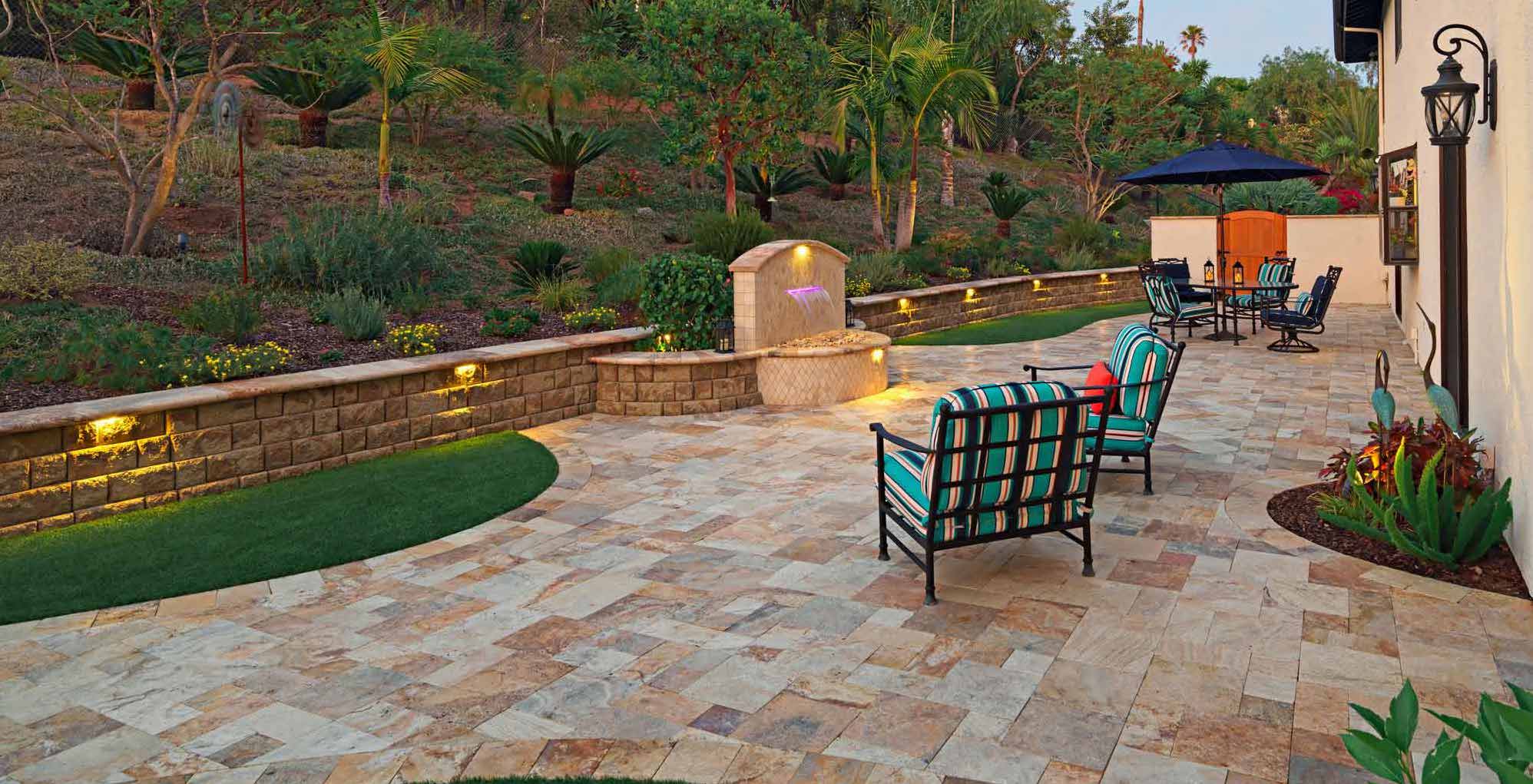
Material selection should not happen in isolation. The best wall design connects to the rest of the property. A wall beside a travertine pool deck may call for a different color family than one framing a paver patio or a desert-style artificial turf backyard. Coordinating the wall with pathways, steps, fire pits, planters, and borders creates an outdoor space that looks planned rather than pieced together.
Look for Design Skill, Not Just Installation Labor
A retaining wall should solve a grading problem without making the yard feel boxed in. Good design can soften a slope with curves, create wide terraces for planting, add integrated steps, or define separate areas for dining, grilling, and gathering around a fire pit.
This is especially valuable in Arizona backyards, where homeowners often want every square foot to work harder. A wall may create a level section for a patio, provide a clean edge around synthetic grass, or turn an awkward side yard into a useful walkway. In front yards, it can improve curb appeal and make the entry or driveway landscape feel more intentional.
Ask to see examples of projects similar in scale and style to yours. Photos are helpful, but the conversation matters just as much. A capable contractor will ask how you use the space, what maintenance level you prefer, where water moves during storms, and whether future additions such as a pool deck, outdoor kitchen, or paver extension are planned.
Questions Worth Asking Before You Hire
Before you sign an agreement, make sure you understand the installation approach and who is responsible for each part of the work. These questions can reveal whether a contractor is prepared to protect your property:
- How will the wall be excavated, leveled, and compacted?
- What drainage and backfill materials will be installed behind the wall?
- Does the proposed wall require engineering, permits, or HOA approval?
- What is included in the written estimate, from demolition through cleanup?
- How will the wall connect with existing pavers, concrete, turf, fencing, or landscaping?
- What workmanship warranty is provided after installation?
Clear answers are a good sign. So is a contractor who explains when an upgraded solution is necessary. Sometimes a homeowner may want a tall wall in a tight area, but the safest design may involve terracing, additional reinforcement, or a different layout. Honest guidance protects the finished result, even when it means the simplest option is not the right one.
Build a Wall That Adds Lasting Value
A retaining wall should do more than hold soil in place. It should make the property easier to use, improve the visual flow of the landscape, and support the outdoor lifestyle you want to build. The difference comes down to planning and installation quality beneath the surface.
Liberty Pavers approaches retaining walls as part of a complete outdoor space, with attention to site preparation, material coordination, and durable construction. Whether your project is a simple landscape wall or a full backyard transformation with pavers, steps, turf, and a fire feature, the goal is the same: work that looks exceptional and performs when Arizona weather puts it to the test.
Get a quotation from a contractor who is willing to evaluate the full site, explain the work in plain language, and build the foundation for a wall you will be proud to see every day.